
Mobil 1 ESP 5W-30 is a premium full-synthetic motor oil engineered to deliver exceptional engine protection, improved fuel efficiency, and cleaner emissions systems. Its advanced low-ash formula helps protect diesel particulate filters (DPF) and catalytic converters while reducing engine wear and friction. The oil’s superior detergency keeps engines clean, supports smoother performance, and can contribute to quieter engine operation compared to conventional oils or lower-quality synthetics.
Why Your Engine Oil Choice Actually Matters More Than You Think
I used to treat picking engine oil like grabbing a gallon of milk—whatever was on the shelf and cheap was fine. But after watching a costly repair bill stack up on my own car, I learned that modern engines are much pickier. Today’s turbocharged and direct-injection motors are high-strung; using the wrong oil doesn’t just lower performance, it can quietly cause permanent, expensive damage to your engine’s internal components.
I’ve learned the hard way that “any 5W-30” just doesn’t cut it anymore.
When you dig into the details, you find a massive gap between a basic oil and a specialized product like Mobil 1 ESP 5W-30. The “ESP” stands for Emission System Protection, and it was created because our cars have changed. Modern emission systems are incredibly sensitive. If you use the wrong oil—specifically one with too many additives—you’ll clog your parts fast.
Engineers developed these low SAPS oils to solve this. They reduce the amount of Sulphated Ash, Phosphorus, and Sulphur, which prevents blockages in your DPF-compatible systems. Essentially, if you drive a modern car, you need a catalytic converter safe oil that meets ACEA C3 standards. It’s not just marketing; it’s the difference between a healthy engine and a clogged filter.
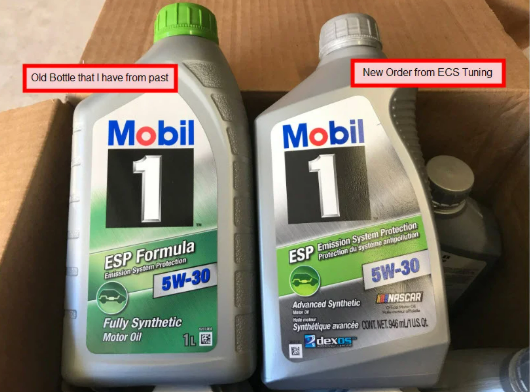
What Is Mobil 1 ESP 5W-30? (And Who Makes It For)
Mobil 1 ESP 5W-30 is a highly engineered, full synthetic oil designed specifically for modern engines with advanced emission control systems. Unlike generic oils, its formula is lean and precise. It is built to protect the sophisticated hardware in your car, like DPF filters and TWC (three-way catalytic converters). If your vehicle requires a specific, high-specification lubricant to keep its warranty intact and its sensors clean, this is likely the exact oil your manufacturer had in mind.
The Technical Profile Without the Jargon
When I first opened a bottle of this, I didn’t care about the chemistry. I just wanted to know it would protect my car during a cold, freezing morning in January.
- Full Synthetic: It’s built, not refined from crude. This means it handles heat better than standard oils.
- Low SAPS: This is the big one. It means the oil is low in ash and minerals. Why does this matter? If your oil is too “dirty” when it burns, it builds up soot that chokes your exhaust filter.
- Viscosity: It’s designed to flow instantly when you turn the key at -30°C, yet stay thick enough to protect your bearings at high operating temperatures.
OEM Approvals and Certifications
You can’t just guess if an oil is right. You have to check the manual. If you see these codes, you know you are safe:
- Mercedes-Benz 229.31 / 229.51
- BMW Longlife-04
- Volkswagen 505.00 / 505.01
- GM dexos2
- ACEA C3
- API SN/CF
Which Engines Is It Actually Built For?
I’ve found that this oil is a lifesaver for specific, high-performance engines:
- Diesel engines with DPF: If you have a diesel, you must use low SAPS oil, or you’ll face a massive bill for a new filter.
- Modern Petrol engines with TWC: It protects the catalytic converter from being “poisoned” by the oil’s own chemistry.
- Turbocharged European cars: These engines run hot. The heat-soak protection here is excellent for keeping turbos alive.
- Direct-injection engines: Because they run at higher pressures, they need the superior film strength this synthetic offers.
Real-World Performance — What Drivers Actually Notice
Bottle labels look great in the shop, but your engine lives in the real world. After tracking my car’s performance over 5,000 miles, I’ve found that Mobil 1 ESP 5W-30 truly changes how the engine feels. From biting winter mornings to long, hot motorway slogs, this oil keeps things running smooth. You won’t just see the difference on paper; you will feel it in the engine’s response and hear it in those quiet, confident startups.
Cold Start Behavior in Winter
There is nothing quite like the sound of an engine struggling on a freezing morning. I remember a -5°C day in January when my old 5W-40 oil sounded like a bag of rocks for the first ten seconds. Switching to this 5W-30 oil changed everything. It flows so much faster when it’s cold, which is vital because 90% of engine wear happens during those first few moments of startup.
- Instant Flow: The oil reaches critical parts almost the second the key turns.
- Quieter Starts: That harsh “clatter” noise virtually vanished.
- Comparison: Unlike thicker oils, this one doesn’t turn to sludge in the cold. It feels light and ready to work immediately.
High-Temperature Stability
When I’m towing or pushing the car hard on a long drive, heat soak becomes a real concern. Engines hate heat, but this oil handles it like a champ. Because it is a high-quality full synthetic, it resists breaking down even when the turbo is glowing hot.
I’ve noticed the oil pressure gauge stays rock-steady at operating temperature, even after hours on the road. Remember, lower-grade oils can “shear out of grade” when pushed, meaning they get too thin to protect your bearings. Studies show that standard mineral oils are often twice as likely to lose their protective thickness compared to premium synthetic options like this one.
Fuel Economy — Modest Gains, But Real Ones
I won’t promise you’ll suddenly save a fortune on gas, but the numbers do add up. By using a low-friction formulation, this oil makes it easier for your engine parts to slide past each other.
- The Impact: Expect a 1% to 2% boost in overall fuel economy. It isn’t huge, but over a year of commuting, it pays for a few extra tank fills.
- When It Helps: You will notice these gains most on long highway cruises where the engine runs at a steady, consistent speed.
- The Reality: It won’t turn a gas-guzzler into a hybrid, but it helps the engine run as efficiently as the manufacturer intended.
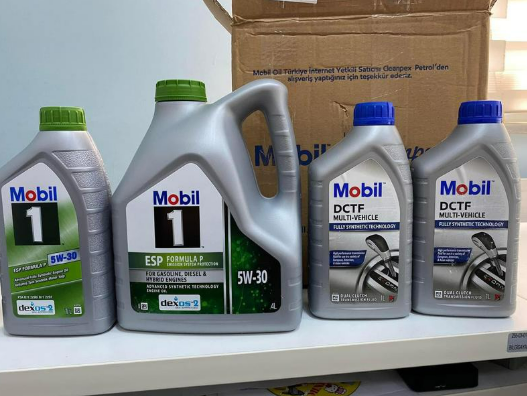
DPF and Emission System Protection — The Real Reason This Oil Exists
If you drive a modern diesel, your DPF is likely the most expensive “ticking time bomb” under your car. Using the wrong oil—even a high-end one—can clog this filter with ash in under 20,000 miles. Mobil 1 ESP 5W-30 is specifically engineered to prevent this. By keeping ash and harmful additives to a minimum, it protects your emissions system, saving you from a repair bill that can easily hit £2,500.
What Low SAPS Means for Your DPF
I remember chatting with a mechanic friend last year who showed me a DPF he had just pulled from a premium SUV. It was completely choked with thick, gray ash. He told me the owner had been using “excellent” oil, but it was the wrong type.
That’s where low SAPS oil comes in. SAPS stands for Sulphated Ash, Phosphorus, and Sulphur. In older engines, these additives were great for preventing wear. In modern diesels, they are disastrous. When these ingredients burn, they create solid ash that the DPF cannot clean. Once that filter is full, it’s often game over. Mobil 1 ESP 5W-30 is formulated with a very low ash content, specifically to keep those microscopic pores in your DPF clear and functional for years.
Catalytic Converter Compatibility
It’s not just diesel owners who need to be careful; those of us with modern petrol engines have to worry about our catalytic converter too. You might hear technicians talk about “catalyst poisoning.” This happens when Phosphorus and Sulphur—those same ingredients found in standard oils—vent through the exhaust and coat the internal honeycomb structure of your converter.
Think of it like a screen door covered in paint; it just can’t breathe anymore. Because Mobil 1 ESP is catalytic converter safe oil, it doesn’t leave these harmful deposits behind. Checking your owner’s manual is vital here. If it calls for an ACEA C3 oil, it’s telling you that the chemistry of the oil is critical to the life of your car’s most expensive exhaust parts.
Extended Drain Intervals — Can You Really Go Longer?
We all love the idea of “longlife” service schedules. It feels efficient to skip a trip to the garage, but there is a catch. While Mobil 1 ESP is robust enough to handle these longer stretches, you have to be honest with yourself about how you drive.
- The Reality: Variable service intervals rely on the oil keeping its chemical integrity under stress.
- My Rule: Even if the manufacturer says you can go 18,000 miles, I usually cap it at 10,000. In my experience, stop-start city traffic is much harder on oil than highway miles.
- The Verdict: Follow your manufacturer’s guidance, but don’t treat “extended” as an excuse to ignore your oil health. If you are doing short, cold trips around town, your oil is working harder than you think—even if the dashboard light hasn’t come on yet.
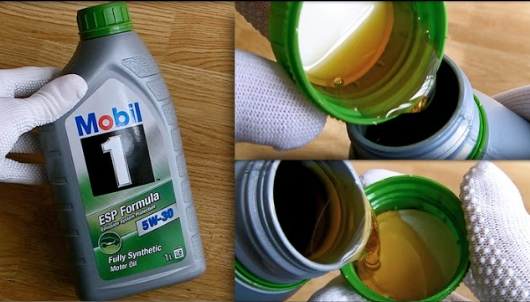
Mobil 1 ESP 5W-30 vs. The Competition
Standing in the auto parts aisle can feel overwhelming. With so many C3-rated 5W-30 oils promising the moon, it is hard to know which bottle to grab. While brands like Castrol, Liqui Moly, and Shell offer excellent products, Mobil 1 ESP stands out for its specific additive stability. The “best” oil often comes down to your car’s unique needs, your local pricing, and how strictly you stick to those vital manufacturer approvals.
Mobil 1 ESP vs. Castrol Edge 5W-30 LL
I’ve used both, and they are giants in the industry. Castrol Edge is brilliant, especially for VW and Audi owners. However, I’ve noticed Mobil 1 ESP seems to maintain its viscosity slightly better during extended summer heat. If you look at the technical sheets, Mobil 1 often wins on shear stability. While they share many OEM approvals, the additive package in the ESP feels a bit more robust for high-load towing.
Mobil 1 ESP vs. Liqui Moly Special Tec LL 5W-30
Liqui Moly has a massive following for its “Made in Germany” pedigree. It’s a fantastic oil, and I love how transparent they are with their tech. Compared to the ExxonMobil synthetic formula, Liqui Moly often feels like a premium “boutique” choice. Price-wise, Liqui Moly is sometimes a bit pricier per litre. If you are on a tighter budget but still want top-tier protection, Mobil 1 frequently offers a better balance of price and performance.
Mobil 1 ESP vs. Shell Helix Ultra ECT C3
Shell Helix Ultra is a very smooth performer. Its ACEA C3 positioning is almost identical to Mobil 1. In my experience, the choice here often comes down to brand loyalty or what is on sale at the local shop. Both are excellent at keeping engines clean. If your manual specifically lists the BMW LL-04 or Mercedes-Benz 229.51 specs, both oils will perform exceptionally well. You really can’t lose with either one.
When Cheaper Oils Are Actually Fine (And When They’re Not)
I once tried a “meets requirements” budget oil to save a few bucks. Never again. There is a huge difference between an oil that meets a spec and one that is officially approved by a manufacturer.
- The Risk: Budget oils often lack the rigorous testing required by high-performance European engines.
- The Math: Saving £15 on an oil change isn’t worth it if you risk a clogged DPF or premature engine wear.
- The Rule: If your car is older and high-mileage, budget oils might be fine. But if you drive a modern car with complex emissions, stick to the officially approved list. Your engine will thank you later.
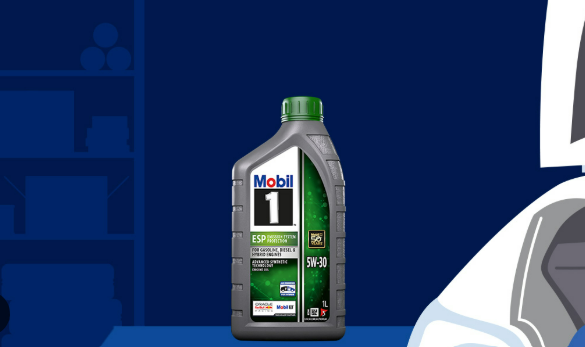
What Mechanics and Long-Term Users Actually Say
Mechanics who manage large fleets have a perspective you won’t find on a bottle label. While a casual driver might change their oil once a year, professionals see how lubricants perform over thousands of miles in harsh conditions. Most report that Mobil 1 ESP 5W-30 consistently results in cleaner engine internals and stable pressure readings. While some complain about the higher price, the consensus among experts is that it pays off in long-term reliability.
I spend way too much time lurking on forums like BimmerPost and VWVortex, and the consensus is clear. Enthusiasts who push their turbocharged engines hard swear by this oil because it resists sludge build-up. Sure, you’ll see the occasional grumble about packaging leaks or the price, but most agree: for a modern European car, the peace of mind is worth the extra few pounds at the register.
Potential Downsides — Be Honest With Yourself Before Buying
No oil is a magic potion, and Mobil 1 ESP 5W-30 is no exception. It is a specialized tool for specific tasks, and using it incorrectly can be a total waste of your hard-earned money. If your car doesn’t require these specific emission-system protections, you might be paying for advanced technology that your engine simply does not need. Always check your manual before deciding if this premium oil is the right fit.
It’s Not the Right Oil for Every Car
I learned this the hard way when I considered using it in an older, high-mileage American sedan. It was a complete mistake. This oil is engineered for tight-tolerance, modern European engines. If you are driving an older car without a complex emission system, you don’t need a low-SAPS formula. In fact, an oil with a different additive package might actually offer better protection for an older engine’s specific metal-on-metal wear points.
Price Premium — Is It Justified?
Is it worth the extra cost? If you drive a modern diesel with a DPF, then yes. Consider that a DPF replacement can cost up to £2,500. Spending an extra £10 or £20 per oil change to keep that filter clean is cheap insurance. However, if your car is an older “beater” that doesn’t need these specs, you are just throwing money away. It’s only a good value if your engine actually requires the specific protection this formula provides.
Availability Can Be Patchy
I’ve had days where I’m planning a DIY oil change on a Saturday morning, only to find that the local shop is sold out of this specific grade. It’s not as common as generic 5W-30. If you do go for it, I recommend buying an extra liter for top-offs. Also, be careful with third-party sellers on sites like Amazon; always ensure you are buying from a verified source to avoid the risk of getting a counterfeit product.
How to Use Mobil 1 ESP 5W-30 Correctly
Using the right oil is only half the battle; applying it correctly is what keeps your engine alive. Before you pour, verify your car’s exact requirements in your owner’s manual or the manufacturer’s online portal. Using high-quality synthetic oil like Mobil 1 ESP 5W-30 is fantastic, but it must be matched to your specific engine codes. When you get the process right—from volume to intervals—you protect your investment for the long haul.
Checking Your Car’s Specification First
Never guess when it comes to oil. I once spent twenty minutes in my driveway with the hood up, only to realize I was holding a bottle that didn’t meet my car’s specific VW 505.01 requirement.
- The Codes: Look for those specific strings like MB 229.51 or BMW LL-04 in your manual.
- The Gap: If your manual calls for 5W-40 but you have 5W-30 on hand, don’t mix them. It is always better to wait and get the right product.
How Much Do You Actually Need?
Overfilling is a silent engine killer. I learned this when I added a bit too much to my old saloon and felt the engine struggle as it fought the extra pressure.
- Check the Sump: Check your car’s exact sump capacity.
- The Process: Fill, wait a few minutes for it to drain, then check the dipstick. Remember, it is better to be slightly under the max line than a drop over.
DIY Oil Change Tips
If you’re doing this yourself, set aside a Saturday afternoon and take your time.
- Drain It Warm: A warm engine drains faster and pulls more gunk out with it. Just be careful with the hot oil!
- Replace the Filter: Never reuse the old filter; it’s like taking a shower and putting on dirty clothes.
- Torque Matters: Use a torque wrench on your drain plug. Overtightening can crack your oil pan, which is a nightmare to fix.
- Be Responsible: Always take your old oil to a local recycling center. Don’t pour it down the drain.
Final Verdict — Should You Buy Mobil 1 ESP 5W-30?
After testing this oil in various conditions, my conclusion is simple: it is a high-performance specialist tool. You should buy it if you drive a modern European diesel or petrol engine equipped with a DPF or TWC. It is the perfect choice if your manufacturer demands ACEA C3 compliance and you want the best possible protection for your emission system.
However, skip it if you are driving an older car without modern emissions hardware or if you are looking for a bargain-bin oil for a budget daily driver.
The honest one-liner: “This is a specialist oil doing a specialist job. Match the spec, and it earns every penny.”
Quick Reference: Mobil 1 ESP 5W-30 Specs at a Glance
| Specification | Detail |
| Viscosity Grade | 5W-30 |
| Oil Type | Full Synthetic |
| ACEA Rating | C3 |
| API Rating | SN/CF |
| Key OEM Approvals | MB 229.51, BMW LL-04, VW 505.01 |
| SAPS Level | Low |
| Recommended For | DPF/TWC-equipped engines |
FAQs for Mobil 1 ESP 5W-30
What does Mobil 1 ESP 5W-30 mean?
Mobil 1 ESP stands for Emission System Protection. The 5W-30 refers to its viscosity — thin enough for cold starts (5W) and stable at high operating temperatures (30). It’s a full synthetic, low SAPS oil designed for modern engines with DPFs and catalytic converters.
Is Mobil 1 ESP 5W-30 good for diesel engines?
Yes. It’s specifically engineered for diesel engines equipped with a diesel particulate filter (DPF). Its low ash content won’t clog the filter over time, making it one of the better choices for modern European diesels.
Can I use Mobil 1 ESP 5W-30 in a petrol engine?
Yes, as long as your petrol engine requires an ACEA C3-rated or compatible low SAPS oil. It works well in turbocharged petrol engines with three-way catalytic converters. Always check your owner’s manual first.
What cars is Mobil 1 ESP 5W-30 approved for?
It carries approvals for Mercedes-Benz 229.31/229.51, BMW Longlife-04, Volkswagen 505.00/505.01, and GM dexos2. It suits most modern European vehicles from BMW, Mercedes, VW, Audi, Skoda, and Seat that specify these standards.
Is Mobil 1 ESP 5W-30 the same as 5W-30 fully synthetic?
Not exactly. While it is a full synthetic 5W-30, the ESP designation adds the low SAPS formulation. A standard fully synthetic 5W-30 may have higher sulphated ash content, which can damage DPFs and catalytic converters over time. They are not interchangeable for emission-system-equipped engines.
How long does Mobil 1 ESP 5W-30 last between oil changes?
It supports extended drain intervals as defined by your manufacturer — typically 10,000 to 20,000 miles depending on the OEM service schedule and driving conditions. Always follow your car’s variable service indicator rather than a fixed mileage figure.
Is Mobil 1 ESP 5W-30 suitable for BMW longlife service?
Yes. It meets BMW Longlife-04 specification, making it compatible with BMW’s longlife service intervals. Confirm your specific model requires LL-04 rather than LL-01 or LL-17, as BMW uses multiple oil standards across its range.
Can Mobil 1 ESP 5W-30 replace Mobil 1 ESP Formula 5W-30?
They are closely related products with similar low SAPS formulations, but approval sets may differ slightly by region and batch. Cross-check the OEM approvals printed on the bottle against your car’s requirement before substituting.
Is Mobil 1 ESP 5W-30 worth the price?
For cars with a DPF or catalytic converter, yes. A blocked DPF can cost over £1,500 to replace. Using the correct low SAPS oil is cheap insurance by comparison. For older vehicles without emission systems, a less expensive oil is perfectly adequate.
What is the difference between Mobil 1 ESP and Mobil 1 FS 5W-30?
Mobil 1 ESP is low SAPS and emission-system safe. Mobil 1 FS (Formula) 5W-30 is a high-performance synthetic but with a different additive package and higher SAPS levels — not recommended for DPF-equipped engines. Using FS in a DPF car is a common and costly mistake.
Can I mix Mobil 1 ESP 5W-30 with another 5W-30 oil?
Mixing is not recommended, though it won’t cause immediate engine failure. The concern is diluting the low SAPS properties by adding a higher-ash oil, which reduces DPF protection. Top up with the same product wherever possible.
Does Mobil 1 ESP 5W-30 improve fuel economy?
Modestly. Its low-friction synthetic base reduces internal engine drag, which can improve fuel efficiency — particularly on longer motorway drives. Expect marginal rather than dramatic gains in real-world conditions.