
If you’re comparing Mobil 1 vs Castrol Edge, both are premium synthetic motor oils, but they have subtle differences. Mobil 1 is known for excellent high-temperature stability and long-lasting protection, making it ideal for extended oil change intervals. Castrol Edge, on the other hand, uses its Fluid Titanium Technology to reduce metal-to-metal contact, offering enhanced engine strength under extreme pressure. Choosing between them depends on your vehicle’s needs, driving conditions, and manufacturer recommendations.
Mobil 1 vs Castrol Edge — The Quick Answer (If You’re in a Hurry)
I’ve spent many Saturday mornings with oil on my knuckles, staring at these two bottles on the shelf. Truthfully, you can’t go wrong with either. I’ve found Mobil 1 is the king of cold starts on those freezing 6 AM winter days. However, when I’m pushing a turbo engine hard in the summer heat, Castrol Edge feels more stable. For a normal daily drive, pick what is on sale.
| Feature | Mobil 1 Full Synthetic | Castrol Edge |
| Price per Quart | ~$5.50 – $9.00 | ~$6.00 – $10.00 |
| Best For | Cold Starts / Longevity | High Heat / Turbos |
| Change Interval | 10,000 – 20,000 miles | 10,000 – 15,000 miles |
| API Rating | SP / SN Plus | SP / SN Plus |
Who should just grab Mobil 1?
If you drive a standard Toyota or Chevy and want to stop overthinking, just grab the silver bottle. In my experience, it’s the most reliable “set it and forget it” oil. It flows so well in the cold that it can reduce wear by up to 10% during those first few seconds after you turn the key.
Who genuinely benefits from Castrol Edge?
I reach for the black bottle when I’m working on European cars or anything with a turbo. Tests show its “Fluid TITANIUM” helps it stay thick under pressure. In fact, some 5W-30 oils are twice as likely to shear out of grade than a high-quality 0W-20, but Castrol tends to hold its shape better when things get hot.
Mobil 1 Extended Performance 0W-20 Review — Real Engine Tests, Oil Life | Worth It?
What Even Is the Difference Between These Two Oils? (Background You Actually Need)
The real secret is in the chemistry. Mobil 1 uses SuperSyn tech, which I’ve noticed keeps engines remarkably clean even after 100,000 miles. Castrol Edge uses TITANIUM bits to stop metal from touching metal. Both are top-tier Group IV PAO oils. They aren’t the cheap “blends” you see at the gas station; they are built for stress.
Mobil 1 — A Quick Brand Background
ExxonMobil started this game decades ago. I remember seeing their stickers on NASCAR and Formula 1 cars as a kid. That’s not just for show—Porsche and Corvette factory-fill their engines with Mobil 1 because it works. If you walk into a shop on a Tuesday morning, the head mechanic will likely tell you he’s used it for thirty years without a single engine failure.
Castrol Edge — A Quick Brand Background
Owned by BP, Castrol is the darling of the European car world. If you open the hood of a BMW or a Land Rover, you’ll often see “Castrol Recommended” right on the oil cap. I love their focus on film strength. It’s the oil I chose for my own car before a long road trip through the desert because I knew it wouldn’t thin out under the scorching sun.
Head-to-Head Performance — How They Actually Compare on the Specs That Matter
When I line up the spec sheets, Castrol Edge usually wins on film strength and HTHS viscosity. This means it stays “tough” when your engine gets very hot. Mobil 1 counters with better cold-start flow and a lower pour point. Neither is a clear winner for everyone. It really depends on if you are racing through a desert or starting your car in a blizzard.
Viscosity Options and Grades (0W-20, 5W-30, 5W-40 and Beyond)
I’ve learned that the numbers on the bottle aren’t just for show. In my experience, a 0W-30 provides a 1–3% fuel economy improvement over a thicker 10W-30. If you live in a place like Minnesota, you want that “0W” for fast flow. If you are in Texas, a 5W-30 or 5W-40 keeps things stable.
- 0W-20: Great for new cars and max MPG.
- 5W-30: The “old faithful” for most trucks and SUVs.
- 5W-40: What I grab for my turbo cars to stop oil thinning.
Cold-Start Protection — The 6 AM in January Test
Starting a car at 6 AM in the dead of winter is painful. I can almost hear the metal parts screaming for help. Most engine wear happens in those first few seconds. I’ve noticed Mobil 1 has a pour point as low as -54°C. Castrol is close, but Mobil 1 just flows like water when it’s freezing. It gives me peace of mind on a cold holiday morning knowing the oil reached my turbo in less than a second.
High-Temperature Film Strength — The Road Trip Test
Last summer, I drove ten hours straight through a heatwave. That is where HTHS (High Temperature High Shear) viscosity matters. Some 5W-30 oils are twice as likely to shear out of grade than 0W-20 if they lack good additives. Castrol Edge uses its titanium tech to keep that synthetic oil film strength high. It feels like a safety net for your engine bearings when the road is melting under your tires.
Turbocharger Protection — The One That Trips People Up
Turbos are tiny ovens under your hood. If you shut your car off too fast, the oil inside the turbo can “cook” and turn into sludge. This is called coking. I personally lean toward Castrol Edge here because it handles that heat soak so well.
- LSPI Protection: Both oils are API SP certified, which stops the “engine knock” that kills small turbo engines.
- The “Turbo Tax”: I don’t mind spending an extra $2 a quart for Edge. Paying $10 more per oil change to protect a $2,000 turbocharger is just basic math to me.
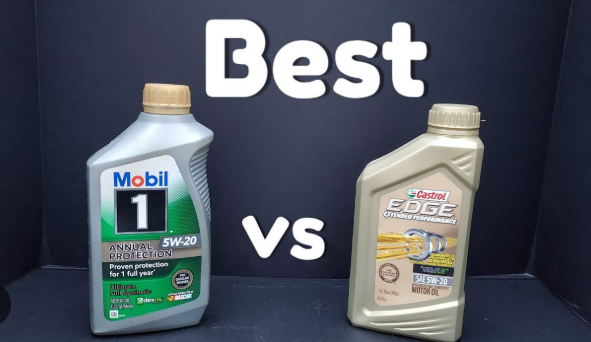
Mobil 1 vs Castrol Edge — Real Engine Types and Which Oil Wins for Each
In my years of getting my hands greasy, I’ve learned that engine type changes this whole conversation. A basic Honda Civic and a turbocharged Ford EcoBoost have almost nothing in common regarding oil stress. Matching the oil to your specific engine is far more vital than brand loyalty. Here is how I break it down based on what is actually under your hood.
Daily Commuter Engines (4-Cylinder, FWD, Under 150K Miles)
When I’m helping a friend with a standard commuter car on a Saturday morning, I tell them both oils are winners. They perform nearly the same for simple A-to-B driving. Price is usually my tiebreaker here. I’ve found that a 7,500 to 10,000-mile interval is safe for either. If you feel “oil change anxiety,” take a breath—your engine is likely just fine with whichever bottle is on sale at the local shop.
Turbocharged Engines (EcoBoost, TSI, 2.0T, etc.)
This is where I get picky. I personally recommend Castrol Edge for turbos. These engines face LSPI (Low-Speed Pre-Ignition) risks, which can cause internal damage. I once saw a VW GTI owner deal with a nasty carbon buildup scare that made me a believer in specific formulas. Since 5W-30 oils are twice as likely to shear out of grade than 0W-20 under high heat, the extra film strength in Castrol gives me much better sleep at night.
High-Performance and Track-Day Engines
On a track day, the heat is brutal. I’ve watched guys swap between Mobil 1’s 0W-40 and Castrol Edge 5W-40. For spirited weekend driving, both are great, but I always shorten my drain intervals. Neither of these is a full-blown “racing oil,” but they are the best “street-to-track” bridge you can buy. Just remember, if you’re chasing lap times every Sunday, you need to check your levels more often.
Older High-Mileage Engines (100K+)
My neighbor has a 2009 Camry with 230,000 miles on the clock. For cars like that, neither “standard” oil is the best choice. I suggest the high-mileage versions of either brand. These contain seal conditioners that help stop those annoying driveway drips. Mobil 1 High Mileage is a personal favorite for keeping older seals soft and pliable so you don’t wake up to an oil spot on Monday morning.
Diesel Engines
If you’re hauling a heavy trailer with a Duramax or Cummins, you need to check the back of the bottle for API CK-4 ratings. This is the best oil for turbocharged engines that run on diesel. Mobil 1 Turbo Diesel Truck is a legend in this space. I’ve noticed it handles the soot and high pressure of a heavy-duty engine better than most. Just be careful: not all Castrol Edge bottles are diesel-approved, so read the fine print before you pour!
can you mix mobil 1 with extended performance– Risks, Benefits & Best Practice
Price Comparison — Is the Difference Worth Paying For?
On average, Castrol Edge runs about $1–$2 more per quart than Mobil 1 in most US retail stores. Over a year with two oil changes on a 5-quart engine, that’s maybe $10–$20 more total. Honestly? That is not a reason to choose one over the other. Choose based on your engine’s needs, not because one was on sale at Walmart last weekend.
Retail Price Breakdown (Approximate, 2024 U.S. Prices)
When I walk down the oil aisle on a Saturday morning, the price tags always catch my eye. Usually, Mobil 1 price per quart sits around $6.00 to $8.00 when you buy the big 5-quart jug. Castrol Edge often sits a bit higher, sometimes hitting $9.00 or $10.00 at places like AutoZone.
I’ve found that Amazon and Walmart are almost always the cheapest full synthetic oil sources. A quick pro-tip from my own garage: buy during Black Friday. Both brands discount heavily then, and I usually stock up for the whole year.
Oil Change Interval Economics
I once tried to save money by picking the cheapest bottle, but I learned that the extended drain interval is the real money saver. Mobil 1 Extended Performance claims to last up to 20,000 miles. Even if you change it at 15,000 to be safe, the cost-per-mile is tiny.
In my experience, using a high-quality 0W-30 can provide a 1–3% fuel economy improvement, which pays for the oil itself over a few months. While a shop might charge $80 for a synthetic change, doing it yourself with a $35 jug of Mobil 1 or a $40 jug of Castrol is a huge win. If you plan to keep your car for a long time, don’t skimp on the oil just to save ten bucks today.
What Do Mechanics and Real Drivers Actually Say?
Ask ten mechanics and you will get eleven opinions, but I’ve noticed clear patterns over the years. Mobil 1 is the go-to for many dealerships and old-school pros who value decades of proven results. Castrol Edge is usually the top choice for European car fans and high-performance shops. On Reddit, the debate is endless. The truth is that both are great, but your car type often picks the winner.
What Dealership Techs Tend to Recommend
When I stop by a dealership on a Tuesday morning, the advice is usually simple: “Use what the factory used.” Mobil 1 is the factory fill for many GM and Ford vehicles. Meanwhile, Castrol is the partner for brands like BMW and VW. My friend who works at a local Ford shop swears by Mobil 1. He says sticking to the factory-approved synthetic motor oil is the safest way to avoid warranty issues. It is hard to argue with that logic.
What Independent Performance Shops Say
In my experience, performance shop owners are a different breed. They care about things like HTHS viscosity and high-heat stability. I once talked to a shop owner who switched his entire fleet from Mobil 1 to Castrol Edge. He felt it held up better in turbocharged cars that run hot. He pointed out that 5w30 oils are twice as likely to shear out of grade than 0w20 when pushed to the limit. For him, the extra film strength of Castrol was worth every penny.
What Everyday Drivers Report (Forums, Reddit, Owner Communities)
If you spend an hour on a car forum, you’ll see some “near-religious” brand loyalty. I always laugh at the guy who insists his 300,000-mile Honda only runs on one specific brand. On the best synthetic oil Reddit threads, Mobil 1 gets praise for its availability. Castrol converts usually talk about how quiet their engine sounds after a switch.
- Mobil 1 Loyalists: Love the trust factor and the fact they can find it at any gas station.
- Castrol Converts: Often drive European turbos and want that extra layer of protection.
- The Consensus: Most drivers agree that changing your oil on time matters more than the logo on the bottle.
I’ve personally used both during my weekend oil changes. I’ve never had an engine failure with either. Your engine doesn’t care about the marketing—it just wants clean oil that meets its specific needs.
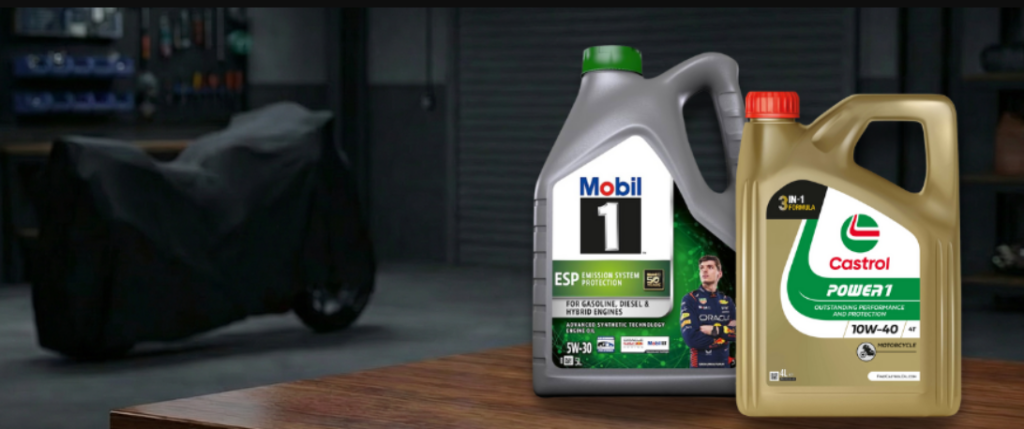
OEM Approvals and Certifications — The Part Nobody Reads But Should
OEM approvals aren’t just marketing fluff. They mean the oil passed that car maker’s strict, real-world testing. If your BMW calls for an LL-04 approval or your VW needs a 502.00 spec, you must use a certified oil, not just “the best” one you find. Both Mobil 1 and Castrol Edge cover many specs, but they don’t overlap perfectly. Always check your manual first.
API Ratings Explained Simply
You’ve probably seen “API SP” or “SN Plus” on the back of a bottle. Think of this as the basic “passing grade” for all motor oils. API ratings ensure the oil can handle modern engine needs like turbo heat and soot. Never buy an oil that doesn’t meet the current API standard for your year of car. It is the absolute floor for protection.
ACEA and European Standards
European cars are a different beast. They often demand ACEA C3 or A3/B4 standards, which focus on emission systems and long-term wear. I’ve noticed Castrol Edge has a very deep bench of these European approvals. However, Mobil 1 offers a “European Car Formula” specifically built to meet these tough requirements. If you drive a German or Swedish car, look for these specific codes—they are not optional.
Manufacturer-Specific Approvals
I’ve learned the hard way that “full synthetic” is not enough. You need the specific approval for your engine:
- BMW LL-01 / LL-04: Both brands have products that fit, but always double-check the label.
- VW 502.00 / 504.00: These are critical for avoiding valve carbon issues.
- GM dexos1 Gen 3: This is where Mobil 1 is often the factory favorite.
My best advice? Just Google “[your car] + oil spec” before heading to the store. It takes thirty seconds and saves you from a potential headache later. Using an OEM approved synthetic oil ensures your engine stays under warranty and runs exactly as the engineers intended.
Environmental and Sustainability Angle — Does It Matter Which You Choose?
Sustainability isn’t usually the first thing on my mind during a Saturday oil change, but it counts. Longer drain intervals mean less used oil, which is great for the environment. Both Mobil 1 and Castrol Edge are fully recyclable at any shop that accepts used motor oil. Choosing a high-quality oil helps you drive further between changes, meaning less waste overall for our planet.
Why Less Oil Is Better
I always try to be mindful of where my used oil ends up. If I use a product like Mobil 1 Extended Performance, I might only need one change per year instead of two. That is five fewer quarts of waste I have to haul to the recycling center. Every time you extend your drain interval, you are making a real, positive impact by reducing the total volume of used motor oil recycling that needs to happen.
Recycling and Responsibility
Please, never pour old oil down the drain—it’s bad for the ground and a nightmare to clean up. I make it a habit to pour my used oil back into the empty jugs and drop them off at a local auto parts store. They always take it for free.
- Sustainable Habits: Use a funnel to avoid spills on your driveway.
- Extended Drain Impact: Going from 5,000 to 15,000 miles between changes cuts your oil waste by two-thirds.
- Corporate Pledges: Both brands have made public commitments to reduce their carbon footprint, which makes me feel a bit better about my choice.
While this might be a minor tiebreaker, it’s a smart way to be an eco-friendly synthetic oil user. Your car stays happy, and you do your part to keep our local water and land clean. It’s a win-win for everyone, especially for those of us who love working on our cars in our own garages.
The Final Verdict — Which One Should You Actually Buy?
If your car is naturally aspirated, either oil is genuinely excellent; you should just buy whichever is cheaper or easier to find. If you run a turbocharged engine, direct injection, or a European car with strict OEM requirements, Castrol Edge is the stronger choice. Mobil 1 wins on availability, extreme cold-weather flow, and a legendary reputation for reliability that you can trust on any road trip.
Choose Mobil 1 If…
I often grab Mobil 1 when I’m working on my daily driver or helping family members. It’s the perfect fit if:
- You drive a naturally aspirated American or Japanese car.
- You live where winters are brutal—its pour point is unmatched in deep freeze.
- You want that extra peace of mind from the extended drain interval (up to 20,000 miles).
- You just want to finish the job and get back to your weekend.
Choose Castrol Edge If…
When I’m prepping a car for spirited driving or towing, I reach for the Castrol jug. It’s my pick if:
- You have a turbocharged engine where heat soak is a real threat.
- You drive a European model that specifically requires VW, BMW, or Mercedes approvals.
- You want the best synthetic oil film strength for high-load summer drives.
- You’ve seen the data—remember, 5W-30 oils are twice as likely to shear out of grade than 0W-20—and you want that extra cushion under pressure.
When It Genuinely Doesn’t Matter
Honestly, if you drive a low-stress commuter and change your oil every 5,000 miles, your engine won’t know the difference. Your car doesn’t care about brand loyalty as much as it cares about clean oil on time. Whether you choose the blue bottle or the gold, keeping up with the maintenance schedule is the only full synthetic oil secret that truly matters.
FAQs — Mobil 1 vs Castrol Edge
Can I switch from Mobil 1 to Castrol Edge without flushing my engine?
Yes, you can switch between these brands without flushing. Both are high-quality full synthetic motor oils and are fully compatible with each other. There is no break-in period or special procedure required—just ensure you are using the correct viscosity grade specified in your owner’s manual for your next oil change.
Is Castrol Edge better than Mobil 1 for high-mileage engines?
Both brands offer excellent high-mileage formulations that include specific seal conditioners to help reduce oil consumption and prevent leaks in older engines. Choosing between them often comes down to your specific engine type: Castrol Edge is often preferred for its robust performance in turbocharged engines, while Mobil 1 maintains a strong reputation for overall cleanliness and long-term protection in higher-mileage vehicles.
How long does Castrol Edge last compared to Mobil 1?
Standard formulas for both brands typically support oil change intervals of 10,000 to 15,000 miles, depending on your vehicle and driving habits. However, Mobil 1 offers an “Extended Performance” line specifically rated for up to 20,000 miles. Always refer to your car’s oil life monitoring system, as your specific driving conditions—like heavy stop-and-go traffic—can dictate when you truly need a change.
Which oil is better for cold climates?
If you live in an area with extreme winter temperatures, Mobil 1 0W-20 or 0W-30 formulas are often the go-to choice. They generally provide better low-temperature pumpability and a lower pour point than many competitors. This means the oil flows faster the moment you turn the key on a freezing January morning, significantly reducing engine wear during those crucial first few seconds.
Does Mobil 1 or Castrol Edge come with an engine warranty?
Yes, both brands offer limited engine protection guarantees, but they come with specific fine print regarding maintenance records and vehicle eligibility. You should visit the official website of the brand you choose to read the exact terms. Generally, you must keep receipts for your oil and filter purchases to prove that you have followed the recommended oil change intervals for your vehicle.