
Pennzoil and Mobil 1 both make strong synthetic oils; the right choice depends on your vehicle’s needs. Pennzoil vs Mobil 1 is not a simple battle between a “good” oil and a “bad” one.
Both brands make high-quality motor oils that meet strict industry standards. The better choice depends on your engine, driving habits, climate, warranty needs, and the exact oil grade and approval listed in your owner’s manual. This guide breaks down the real differences so you can choose with confidence.
Pennzoil vs Mobil 1: The Main Difference
Pennzoil and Mobil 1 are premium motor oil brands with long histories in passenger cars, trucks, racing, and industrial use. Both offer conventional, synthetic blend, and full synthetic oils, although their most popular products are full synthetic formulas.
Pennzoil often highlights its PurePlus Technology. This process starts with natural gas and converts it into a clear, highly refined base oil. Mobil 1 focuses on advanced synthetic formulations designed for engine protection across a wide range of temperatures and driving conditions.
The most important point is this: the brand name matters less than the product specification.
Check these details before buying:
• SAE viscosity, such as 0W-20, 5W-30, or 5W-40
• API service category
• ILSAC certification, when required
• ACEA rating for some European vehicles
• Manufacturer approvals, such as dexos1 Gen 3, MB 229.5, VW 504 00, or Porsche A40
• Whether the oil is approved for turbocharged, diesel, hybrid, or high-mileage engines
A bottle of Pennzoil Platinum 0W-20 and a bottle of Mobil 1 Extended Performance 0W-20 may both be excellent. Yet one may fit your vehicle better because of its formal approvals or service interval.
Pennzoil vs Mobil 1 Product Lines
Both brands sell several oil families. Comparing the correct product line is more useful than comparing the brand as a whole.
Pennzoil motor oil families
Pennzoil’s main synthetic products include:
• Pennzoil Platinum Full Synthetic: Designed for everyday engine protection, cleanliness, and fuel economy.
• Pennzoil Platinum High Mileage: Made for vehicles with more than about 75,000 miles. It includes seal conditioners and is available in several common grades.
• Pennzoil Ultra Platinum: A higher-tier full synthetic formula aimed at strong wear protection and engine cleanliness.
• Pennzoil Platinum Euro: Designed for vehicles that need specific European approvals and performance standards.
• Pennzoil Truck and SUV: Formulated for many light trucks and sport utility vehicles, depending on the selected viscosity and approval.
Pennzoil’s PurePlus base oil can offer a very clean starting point for lubricant formulation. However, the complete additive package still determines how the finished oil performs.
Mobil 1 motor oil families
Mobil 1 offers a broad range of products, including:
• Mobil 1 Full Synthetic: The standard full synthetic line for many daily drivers.
• Mobil 1 Extended Performance: Designed for longer service intervals when the vehicle maker allows them.
• Mobil 1 High Mileage: Intended for older engines and vehicles with higher mileage.
• Mobil 1 Annual Protection: Marketed for extended protection in applications that permit long oil change intervals.
• Mobil 1 Truck and SUV: Made for many gasoline-powered trucks and SUVs.
• Mobil 1 ESP: A low-ash formula for certain modern diesel and gasoline engines with emissions systems.
• Mobil 1 FS and other European formulas: Built around specific European vehicle approvals.
Mobil 1 has a particularly wide selection for performance cars, European vehicles, diesel applications, and extended-drain service. Still, the label must match the vehicle maker’s requirements.

Engine Protection and Wear Control
Engine protection is one of the main reasons people research Pennzoil vs Mobil 1. Modern synthetic oils use carefully balanced base oils and additives to reduce wear, control deposits, fight oxidation, and protect engine parts during cold starts.
Pennzoil and Mobil 1 both offer products that pass industry wear tests. These tests can measure protection under heat, load, oxidation, sludge, and deposit conditions. A product that carries the proper API or manufacturer approval has already met a defined performance level.
In real driving, wear protection depends on more than the logo on the bottle. It also depends on:
• Changing the oil at the correct interval
• Using the right viscosity
• Keeping the oil level full
• Replacing the oil filter
• Avoiding counterfeit or poorly stored products
• Fixing coolant leaks and fuel dilution problems
A premium oil cannot rescue an engine that runs low on oil. It also cannot correct a failed cooling system or a clogged filter.
My practical rule is simple: if two oils carry the same required approvals and viscosity, the protection difference is usually too small for most drivers to notice. The better oil is the one you can buy easily, verify as genuine, and change on time.
Mobil 1 Extended Performance High Mileage 0W-20 — Real-World Review & Buyer Guide
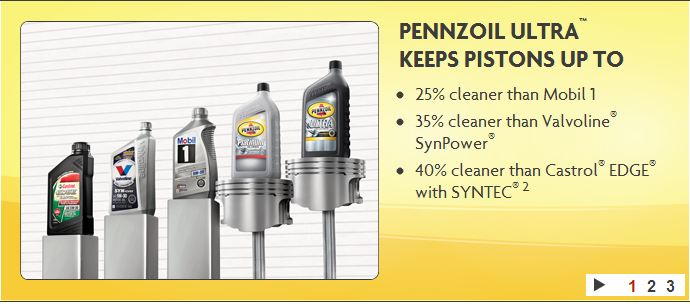
Which Oil Keeps an Engine Cleaner?
Pennzoil and Mobil 1 both promote deposit control, but their formulas use different base oils and additive systems. Cleanliness can help piston rings, turbocharger parts, variable valve timing systems, and other small oil passages work as intended.
Pennzoil Platinum products are often associated with strong sludge and deposit control. Mobil 1 products also have a strong reputation for maintaining cleanliness, especially in high-temperature and performance applications.
The exact result depends on the engine. A direct-injection turbocharged engine may create more fuel dilution and intake deposits than a simple port-injected engine. Oil can help control some internal deposits, but it cannot prevent every type of carbon buildup.
Look for these signs of a suitable oil:
• The correct manufacturer approval
• A current API certification mark
• A viscosity listed in the owner’s manual
• A product designed for turbocharged or high-mileage use when needed
• A reputable retailer with proper inventory turnover
Do not judge oil cleanliness by its color after a few hundred miles. Fresh oil can darken quickly as it carries soot and contaminants away from engine parts. Dark oil is not automatically failed oil.
Cold-Start and High-Temperature Performance
Cold starts are hard on engines because oil becomes thicker as temperatures fall. A 0W-20 oil flows more easily in cold weather than a 10W-30 oil, but it may not be suitable for every engine.
The first number before the “W” describes cold-temperature performance. The second number describes the oil’s viscosity at operating temperature. Always follow the grade approved for your vehicle.
At high temperatures, synthetic oils generally resist breakdown better than conventional oils. This benefit matters during:
• Long highway trips
• Heavy towing
• Track driving
• Hot summer weather
• Turbocharger operation
• Stop-and-go traffic
Mobil 1 has a strong reputation among performance drivers and enthusiasts who place heavy thermal demands on engine oil. Pennzoil also offers synthetic oils built for high-temperature protection and demanding service.
The Pennzoil vs Mobil 1 decision becomes easier when you match the oil to the job. For normal commuting, both can perform well. For towing or severe service, select the exact product with the proper viscosity and approval rather than choosing based only on brand loyalty.

Pennzoil vs Mobil 1 for High-Mileage Engines
High-mileage oil is designed for vehicles with aging seals, increased blow-by, or minor oil seepage. These formulas often include seal conditioners, extra cleaning agents, and additives that support older engine components.
Pennzoil High Mileage and Mobil 1 High Mileage are both reasonable choices for older vehicles. Neither product can repair a damaged seal or stop a major leak, but either may help reduce minor seepage.
Use high-mileage oil when:
• The vehicle has reached the mileage listed on the product
• The engine shows minor seepage
• The oil level drops slowly between changes
• The manufacturer allows that oil type and viscosity
• You want extra detergent and seal-conditioning additives
Be careful when switching an old engine from conventional oil to a strong detergent synthetic. The oil itself usually does not “cause” a leak, but cleaning may expose a seal that was already worn. Check the oil level often after the change.
One common mistake is moving to a thicker oil without checking the manual. A thicker oil may reduce noise or consumption in some worn engines, but it can also slow oil flow, reduce fuel economy, or interfere with systems designed for low-viscosity oil.
Fuel Economy Comparison
Both Pennzoil and Mobil 1 offer low-viscosity oils that can support fuel economy. Lower internal friction lets an engine use slightly less energy to move its parts.
The difference between two approved oils is usually small. Driving style, tire pressure, traffic, vehicle weight, weather, and maintenance have a much larger effect on fuel use.
For the best result:
• Use the recommended viscosity
• Keep tires properly inflated
• Replace a dirty air filter when needed
• Avoid unnecessary idling
• Follow the scheduled maintenance plan
• Do not use a thinner oil than the manufacturer allows
An oil labeled “fuel economy” does not guarantee a dramatic improvement at the pump. Think of it as one small piece of a larger system.
Oil Change Intervals and Extended-Performance Claims
Some Pennzoil and Mobil 1 products advertise long protection periods. These claims may support extended oil change intervals, but the vehicle manufacturer’s maintenance schedule still comes first.
Your owner’s manual may use a fixed interval, such as every 5,000 miles, or a variable interval controlled by an oil-life monitor. Severe service may require more frequent changes.
Severe service can include:
• Frequent short trips
• Extreme heat or cold
• Heavy towing
• Dusty roads
• Racing or high-speed driving
• Long periods of idling
• Commercial use
Extended-drain oil does not mean every vehicle can safely go 15,000 miles between changes. Oil-life monitors also estimate service needs; they do not directly test the chemical condition of the oil.
If you drive under severe conditions, a shorter interval is often a sensible form of insurance. Oil and filters cost far less than engine repairs.
Pennzoil vs Mobil 1: Price and Value
Pennzoil and Mobil 1 prices vary by viscosity, product line, bottle size, retailer, and sales promotion. Mobil 1 may cost more in some stores, while Pennzoil may be more expensive in others. Online pricing can also change quickly.
The best value is not always the cheapest five-quart jug. Consider:
• The correct approval for your vehicle
• The warranty requirements
• The oil filter quality
• The recommended service interval
• Availability in your area
• The risk of buying counterfeit products
A cheaper oil that lacks the required approval can be a poor bargain. A premium oil changed far too often may also waste money if the vehicle maker allows a longer interval.
Buy from a trusted auto parts store, dealership, warehouse club, or established retailer. Check the cap, label, packaging, and batch details if the product looks unusual.
Which Is Better for Different Drivers?
There is no universal winner in the Pennzoil vs Mobil 1 comparison. The best choice changes with the vehicle and the driver.
Choose Pennzoil when:
• You want a widely available full synthetic oil
• You prefer Pennzoil’s PurePlus base oil technology
• Your vehicle needs a Pennzoil product with a specific approval
• You want a high-mileage formula for an older engine
• You find the correct Pennzoil product at a better price
Choose Mobil 1 when:
• You want a broad range of performance and European formulas
• Your vehicle requires a specific Mobil 1 approval
• You drive in demanding heat, cold, or high-load conditions
• You want an extended-performance product approved for your vehicle
• You prefer Mobil 1’s availability in your local stores
Either brand can be right when:
• The viscosity matches the owner’s manual
• The API, ILSAC, ACEA, or OEM approval is correct
• The oil is genuine and properly stored
• You follow the proper change interval
The label is the tie-breaker. Brand reputation comes second.
How to Choose the Right Motor Oil
Use this simple process before buying:
- Read the owner’s manual or service information.
- Write down the required viscosity.
- Record every required approval or certification.
- Decide whether standard, high-mileage, diesel, European, or extended-performance oil is needed.
- Compare Pennzoil and Mobil 1 products that meet all those requirements.
- Buy a matching oil filter from a trusted source.
- Check the oil level after the change and inspect for leaks.
Do not mix up viscosity with quality. A 5W-30 oil is not automatically better than a 0W-20 oil. It is simply a different grade with different flow characteristics.
Also, do not assume that “full synthetic” means every full synthetic oil is interchangeable. Two oils may share the same viscosity but have different approval packages.
Common Mistakes to Avoid
Many oil problems come from simple mistakes rather than poor brands.
Avoid these errors:
• Choosing oil by color alone
• Using a thicker oil to hide a serious mechanical problem
• Ignoring the vehicle maker’s approvals
• Extending the oil interval without checking driving conditions
• Forgetting to replace the drain plug gasket when needed
• Overfilling the crankcase
• Underfilling after an oil change
• Trusting a dashboard oil-pressure light as a replacement for checking the dipstick
• Buying unusually cheap oil from an unknown seller
• Assuming high-mileage oil will repair worn seals
Using the correct amount is important. Too much oil can cause foaming or crankshaft contact. Too little oil can starve bearings, camshafts, and turbocharger parts.
After an oil change, run the engine briefly, wait a few minutes, and check the level on a flat surface. Add oil slowly until it reaches the proper mark.
Frequently Asked Questions About Pennzoil vs Mobil 1
Is Pennzoil better than Mobil 1?
Neither brand is always better. The best option is the product that meets your vehicle’s exact viscosity and manufacturer approvals.
Is Mobil 1 better for high-performance engines?
Mobil 1 offers several products for performance and severe service, but product approval matters more than the brand name. Pennzoil also makes synthetic oils suitable for demanding conditions when the specification matches the engine.
Can I switch from Pennzoil to Mobil 1?
Yes, you can usually switch between reputable motor oils when both products have the correct viscosity and specifications. Follow the normal oil change process and avoid mixing products that do not meet your vehicle’s requirements.
Is Pennzoil good for high-mileage cars?
Yes, Pennzoil High Mileage products are made for older vehicles and may help with minor seepage and deposit control. They cannot fix major leaks, damaged seals, or serious engine wear.
Can Mobil 1 extend my oil change interval?
Some Mobil 1 products support longer service intervals, but you must follow the vehicle manufacturer’s schedule and warranty requirements. Severe driving conditions may require more frequent changes.
Does synthetic oil improve gas mileage?
Synthetic oil may reduce friction and support fuel economy, especially in the correct low-viscosity grade. However, driving habits, tire pressure, traffic, and vehicle condition usually have a larger effect.
Should I use 0W-20 instead of 5W-30?
Only use 0W-20 if your owner’s manual allows it. The wrong viscosity can affect lubrication, fuel economy, emissions systems, and warranty coverage.
Conclusion
Pennzoil vs Mobil 1 is a close comparison because both brands offer capable synthetic oils with strong industry performance. Pennzoil stands out for its PurePlus technology and broad everyday lineup. Mobil 1 offers a wide selection for performance, extended service, European vehicles, and severe driving.
The smartest choice is not based on advertising or brand loyalty. Match the oil grade, certification, and manufacturer approval to your engine. Change the oil on schedule, use a quality filter, and check the level often.
Before your next oil change, compare the exact Pennzoil and Mobil 1 bottles that meet your owner’s manual. Share your vehicle, mileage, and driving conditions in the comments if you want to help other drivers make a more informed choice.