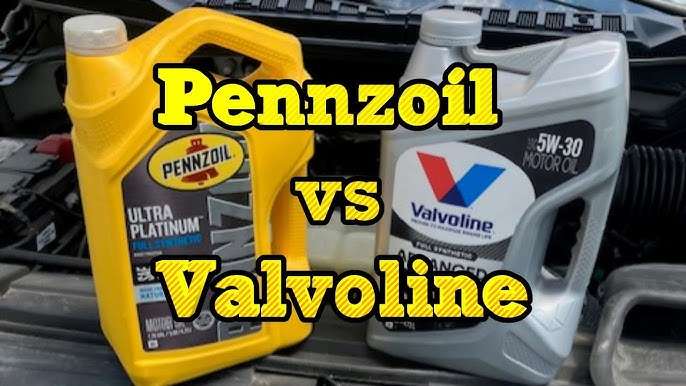
If you’ve ever stood in an auto parts store, staring at rows of motor oil, you’ve probably seen two names everywhere: Pennzoil and Valvoline. Picking between them can feel overwhelming. You might wonder, “Which one is really better for my car?” I’ve spent years working on my own vehicles and helping friends decide, so I’ll share everything I’ve learned. This guide will walk you through the differences, strengths, weaknesses, and the nitty-gritty details, all in simple, clear language. Whether you drive a daily commuter or a weekend race car, you’ll find the answers you need right here.
Pennzoil Vs Valvoline: Direct Comparison
Both Pennzoil and Valvoline are trusted names in motor oil. They offer high-quality products, but each has its own style, technology, and benefits. Pennzoil is known for its cleaner engine formulas, using natural gas as a base. Valvoline is famous for performance and protection, especially for high-mileage engines. If you need cleaner engines and fuel efficiency, Pennzoil stands out. If you want extra protection for older cars or tough conditions, Valvoline is a great choice. The best pick depends on your driving habits, vehicle age, and climate.
5 Best Synthetic Oil for Mazda CX-5 2026: Experts Reveal the #1 Choice
Brand History And Reputation
Pennzoil and Valvoline have deep roots in automotive history. Both brands have been around for over a century, building trust with millions of drivers.
Pennzoil began in 1913. The company quickly grew thanks to its focus on cleaner oils and engine protection. In recent years, Pennzoil has shifted to using natural gas for its base oil, promising fewer impurities and better engine cleanliness.
Valvoline’s story goes back even further, to 1866. It’s actually one of the oldest motor oil brands in the world. The company has always been about innovation. Valvoline invented the first motor oil and has continued to create formulas for racing, high-mileage, and everyday driving.
Both brands are respected by mechanics and car lovers. Pennzoil is often seen as the “cleaner” oil, while Valvoline is known for strong protection and performance. Over the years, I’ve seen both oils used in cars that lasted hundreds of thousands of miles.
Oil Types And Product Lineup
Pennzoil and Valvoline each offer a wide range of oils, but their product lines serve slightly different needs. Here’s how their main products stack up.
Pennzoil
Pennzoil offers:
- Full synthetic oils (like Pennzoil Platinum)
- Synthetic blends
- Conventional oils
- High-mileage oils
- Eco-friendly oils (made from natural gas)
The most popular Pennzoil products are Pennzoil Platinum and Pennzoil Ultra Platinum. Both are made from pure natural gas, which means fewer impurities and a cleaner engine.
Valvoline
Valvoline has:
- Full synthetic oils (like Valvoline Advanced Full Synthetic)
- Synthetic blends
- Conventional oils
- High-mileage oils
- Racing and specialty oils
Valvoline’s High Mileage and MaxLife formulas are designed for cars with over 75,000 miles, offering extra protection and leak prevention.
I’ve used both brands in different cars, and I noticed Pennzoil keeps engines cleaner, while Valvoline handles tough conditions and older engines better.
Technology And Base Oil Differences
Pennzoil and Valvoline use different technologies. Pennzoil’s big claim is its use of natural gas to make base oil. This process is called PurePlus Technology.
Pennzoil’s PurePlus turns natural gas into a liquid oil, which is cleaner than traditional crude oil. This reduces engine deposits and keeps parts running smoothly.
Valvoline uses high-quality base oils from crude oil. Its formulas are designed to protect against wear, heat, and sludge. Valvoline also adds strong additives for anti-wear and detergent action.
If you want an oil made with cutting-edge technology and fewer impurities, Pennzoil is ahead. But Valvoline’s traditional approach, with proven additives, is still trusted by mechanics everywhere.
Performance And Engine Protection
If you’re looking for data and proof, here’s where both brands shine:
Pennzoil Platinum keeps engines up to 40% cleaner than industry standards, according to tests. It also claims to offer better fuel economy – up to 550 miles more per year compared to dirty engines.
Valvoline’s Advanced Full Synthetic protects engines from wear, even at high temperatures. It’s proven to fight sludge and deposits. Valvoline MaxLife High Mileage is famous for stopping leaks and protecting gaskets.
In my experience, Pennzoil is best for newer engines and drivers who want long-term cleanliness. Valvoline is excellent for high-mileage vehicles, older engines, or tough driving conditions.
High Mileage And Specialty Oils
Both brands have special oils for older cars and tough jobs. Here’s how they compare:
Pennzoil High Mileage helps reduce leaks and protects seals. It also fights deposits, which is important in older engines. But its formula is a bit more focused on cleanliness than stopping leaks.
Valvoline MaxLife High Mileage is made for cars with over 75,000 miles. It has additives that keep seals soft and prevent leaks. It’s also good at reducing wear and slowing engine aging.
For older cars, I usually recommend Valvoline MaxLife. It’s helped several friends’ cars last longer, especially those with slight oil leaks.
Oil Change Intervals And Longevity
You might wonder how often you need to change oil with each brand. Here’s the direct answer: Both Pennzoil and Valvoline recommend oil changes every 5,000 to 7,500 miles for their synthetics. Some newer oils claim up to 15,000 miles, but this depends on your car and driving style.
Pennzoil Platinum can last up to 7,500 miles between changes. Valvoline Advanced Full Synthetic is also rated for 7,500 miles, but MaxLife High Mileage usually suggests 5,000 to 6,000 miles for older cars.
I recommend checking your owner’s manual and watching for oil color and level. In rough driving conditions (hot climates, city driving), stick to the lower end of the interval.
Price And Value
Price is always a big factor. Both brands sit in the mid-to-premium range, but there are some differences.
Pennzoil Platinum usually costs $25–$35 for a 5-quart jug. Pennzoil Ultra Platinum is a bit higher, around $30–$40.
Valvoline Advanced Full Synthetic is priced about the same, $25–$35 for 5 quarts. MaxLife High Mileage can cost $28–$38.
Sometimes, Valvoline is a bit cheaper on sale. Both brands offer rebates and coupons if you look around.
From my experience, Pennzoil gives better value for newer cars, while Valvoline is a good deal for high-mileage or older vehicles.
Can I Mix Mobil 1 and Valvoline? Safe to Mix or Engine Risk?
Availability And Ease Of Purchase
Both brands are easy to find. You can buy Pennzoil and Valvoline at:
- Auto parts stores
- Big supermarkets
- Online retailers
- Mechanic shops
Pennzoil is sold at Walmart, AutoZone, and Amazon. Valvoline is just as common, sometimes even more so in smaller stores.
If you travel internationally, Valvoline is available in more countries. Pennzoil is mostly found in North America.
Environmental Impact
Pennzoil stands out for its environmental focus. Its PurePlus oils are made from natural gas, which produces fewer emissions and impurities. Pennzoil has also launched recycling programs and eco-friendly packaging.
Valvoline is making progress, too, with better recycling and less waste. However, its main oils are still made from crude oil.
If protecting the environment is important to you, Pennzoil’s natural gas process is a clear advantage.
Testing, Certifications, And Industry Ratings
Both Pennzoil and Valvoline are certified by top industry groups like API (American Petroleum Institute), ILSAC, and ACEA. Their oils meet or exceed standards for performance, cleanliness, and protection.
Pennzoil Platinum and Ultra Platinum meet dexos1 standards, required by GM vehicles. Valvoline Advanced Full Synthetic also meets dexos1 and other carmaker specs.
These certifications mean the oils are tested for wear, deposit control, and viscosity. Both brands are safe for most modern vehicles.
Real-world Experiences And Anecdotes
I’ve changed oil in dozens of cars, from old sedans to new SUVs. Here’s what I’ve noticed:
- Pennzoil Platinum keeps engine internals cleaner. After 50,000 miles, there’s less sludge and gunk.
- Valvoline MaxLife stops minor leaks in older engines. I’ve seen seals improve in a friend’s car after switching.
- Pennzoil’s oil color stays lighter for longer, showing fewer impurities.
- Valvoline helps engines run quieter, especially in high-mileage cars.
One non-obvious tip: If you switch from conventional to synthetic, Pennzoil’s natural gas formula is less likely to cause leaks. Valvoline is better if your engine already has seal issues.
Customer Reviews And Mechanic Opinions
Mechanics often have strong opinions. In my area, many mechanics trust Valvoline for older cars and Pennzoil for newer ones.
Online reviews show:
- Pennzoil Platinum gets 4.6 stars out of 5 on Amazon, praised for engine cleanliness and easy cold starts.
- Valvoline Advanced Full Synthetic scores 4.7 stars, with customers noting smooth engine performance and reliability.
Mechanics say Pennzoil is a bit more expensive but worth it for modern cars. Valvoline is less likely to cause leaks in older engines, making it a top pick for high-mileage vehicles.
Warranty And Guarantees
Both Pennzoil and Valvoline offer guarantees, but Pennzoil goes further with its Lubrication Limited Warranty. If you use Pennzoil exclusively and follow their guidelines, they’ll cover certain engine parts for up to 300,000 miles.
Valvoline provides a Limited Engine Warranty for MaxLife oils. You need to register and follow their oil change intervals.
These warranties are great for peace of mind, but you must keep records and receipts. I always recommend saving your oil change notes, just in case.
Synthetic Vs Conventional: Which Is Better?
Synthetic oils are made in labs and have fewer impurities. Both brands offer synthetics, blends, and conventional oils.
Pennzoil’s synthetics are made from natural gas, which means even fewer impurities. Valvoline’s synthetics use refined crude oil.
Synthetic oils last longer, protect better, and handle heat well. Conventional oils are cheaper but break down faster.
I always suggest synthetic for modern cars, turbo engines, or tough driving. Blends are okay for older cars, and conventional oils work for simple engines.
Cold Start And Extreme Conditions
If you live in a cold climate, Pennzoil Platinum is known for easy cold starts. It flows quickly at low temperatures, reducing engine wear.
Valvoline Advanced Full Synthetic also performs well in cold, but Pennzoil’s natural gas formula flows even faster.
In hot climates, both brands protect against heat and thinning, but Valvoline’s additives are strong at preventing breakdown.

Racing And Performance Oils
Valvoline is popular among racers and performance drivers. Its VR1 Racing Oil is made for high horsepower and extreme conditions.
Pennzoil has racing oils, but they are less common. Pennzoil’s focus is more on cleanliness and everyday driving.
If you race or drive hard, Valvoline VR1 is a favorite. For daily driving, Pennzoil Platinum keeps engines cleaner.
Oil Specifications And Compatibility
Both brands cover all the major specifications. Here’s a simple breakdown:
- Pennzoil Platinum: Meets API SP, ILSAC GF-6, dexos1, FCA MS-6395, Ford WSS-M2C946-A/B
- Valvoline Advanced Full Synthetic: Meets API SP, ILSAC GF-6, dexos1, Ford WSS-M2C946-A/B
Always check your owner’s manual for the right oil spec. Both brands have oils for gasoline, diesel, turbo, and hybrid engines.
Comparison Tables
Here’s a quick look at key differences and similarities:
| Feature | Pennzoil Platinum | Valvoline Advanced Synthetic |
|---|---|---|
| Base Oil | Natural Gas | Crude Oil |
| Engine Cleanliness | Very High | High |
| Leak Protection | Moderate | High |
| Cold Start Performance | Excellent | Very Good |
| Price Range (5qt) | $25–$40 | $25–$38 |
| Warranty | 300,000 miles (limited) | Limited Engine Warranty |
And here’s how high-mileage oils compare:
| Feature | Pennzoil High Mileage | Valvoline MaxLife |
|---|---|---|
| Mileage Target | 75,000+ miles | 75,000+ miles |
| Seal Conditioning | Moderate | Strong |
| Deposit Control | High | High |
| Leak Prevention | Moderate | High |
| Price Range (5qt) | $28–$38 | $28–$38 |
For racing oils:
| Feature | Pennzoil Racing | Valvoline VR1 Racing |
|---|---|---|
| Horsepower Target | High | Very High |
| Extreme Temp Performance | Excellent | Excellent |
| Availability | Limited | Common |
| Price (1qt) | $7–$10 | $7–$10 |
Pros And Cons
Here’s a simple rundown of strengths and weaknesses:
Pennzoil Pros:
- Excellent engine cleanliness
- Made from natural gas (fewer impurities)
- Great cold start performance
- Strong warranty
Pennzoil Cons:
- Slightly higher price
- Leak protection not as strong for older engines
Valvoline Pros:
- Great for high-mileage cars
- Strong leak and seal protection
- Widely available
- Trusted by mechanics
Valvoline Cons:
- Made from crude oil (more impurities)
- Engine stays clean, but not as spotless as Pennzoil
Which Oil Should You Choose?
If you drive a newer car, want a clean engine, and care about the environment, Pennzoil Platinum is a strong pick. For older vehicles, high-mileage cars, or if you worry about leaks, Valvoline MaxLife is my go-to.
Both brands are safe for most cars and offer excellent protection. The best oil depends on your needs:
- For new cars and long oil change intervals: Pennzoil Platinum
- For high-mileage, older cars, or leak issues: Valvoline MaxLife
- For racing or extreme driving: Valvoline VR1
Always check your vehicle’s manual and use the right viscosity and specification.
Frequently Asked Questions
Is Pennzoil Really Cleaner Than Valvoline?
Yes, Pennzoil’s PurePlus Technology uses natural gas, making its oils cleaner with fewer impurities. This helps prevent sludge and deposits, keeping engines cleaner over time.
Which Brand Is Better For High-mileage Cars?
Valvoline MaxLife is usually better for high-mileage cars. It has additives that condition seals and prevent leaks, which is important for older engines.
Can I Switch From Valvoline To Pennzoil?
You can switch brands, but if your engine is older or has leaks, it’s best to use a high-mileage oil. Pennzoil’s natural gas formula is gentle, but always check your engine for leaks after switching.
How Often Should I Change Oil With Pennzoil Or Valvoline?
For full synthetic oils, change every 5,000 to 7,500 miles. High-mileage formulas may need more frequent changes. Always follow your car’s manual and check oil color and level.
Are Pennzoil And Valvoline Oils Safe For Turbo Engines?
Both brands make oils for turbo engines. Pennzoil Platinum and Valvoline Advanced Full Synthetic are compatible with most turbocharged engines. Always use the right viscosity and specs.
—
Choosing between Pennzoil and Valvoline doesn’t have to be confusing. Think about your car’s age, how you drive, and what matters most (cleanliness, protection, or price). Both brands offer quality oils, trusted by millions of drivers and mechanics. You can’t go wrong, but picking the right formula for your needs will help your engine last longer and run smoother. For more details on motor oil standards, check out Wikipedia’s Motor Oil page. Happy driving, and may your engine stay strong!