
The primary difference between Shell Rotella T6 vs Pennzoil Ultra Platinum is their formulation intent: Rotella T6 is a heavy-duty synthetic oil designed for diesel and high-heat turbocharged engines, while Pennzoil Ultra Platinum is a premium gasoline-specific synthetic made from natural gas for maximum engine cleanliness.
Quick Verdict — Which One to Buy & Why
🚗 If your priority is:
✅ Daily-driver gasoline engine performance & fuel economy
➡️ Go with Pennzoil Ultra Platinum — It’s formulated from ultra-pure base oils, offers top cleanliness, robust wear protection, and excellent performance in a wide range of conditions, ideal for modern cars and turbocharged engines.
✅ Heavy-duty use or diesel / mixed fleet applications
➡️ Choose Shell Rotella T6 — Designed for higher load and heat environments with longer drain intervals, stronger anti-wear protection, and better stability under tow/heavy load.
💡 Simple Rule
- Gas car, turbo coupe, or performance daily: Pennzoil Ultra Platinum for cleaner pistons and fuel economy.
- Truck, diesel, towing, heavy load: Shell Rotella T6 for top-tier durability and long-life protection.
Rotella T6 suits heavy-duty and turbo stress; Pennzoil Ultra shines in modern gas engines.
If you want a clear, no-nonsense take on shell rotella t6 vs pennzoil ultra, you’re in the right spot. I’ve run both across diesel trucks, turbo cars, and daily drivers. In this guide, I break down how each oil works, where they excel, and what to pick for your engine and climate. By the end, shell rotella t6 vs pennzoil ultra will feel simple, practical, and easy to decide.
What Each Oil Is Designed To Do
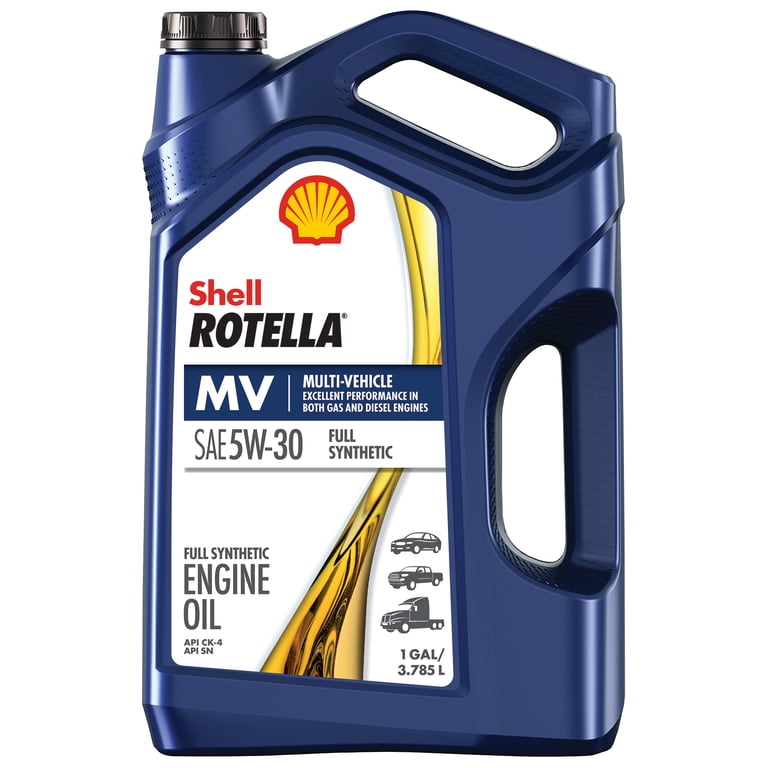
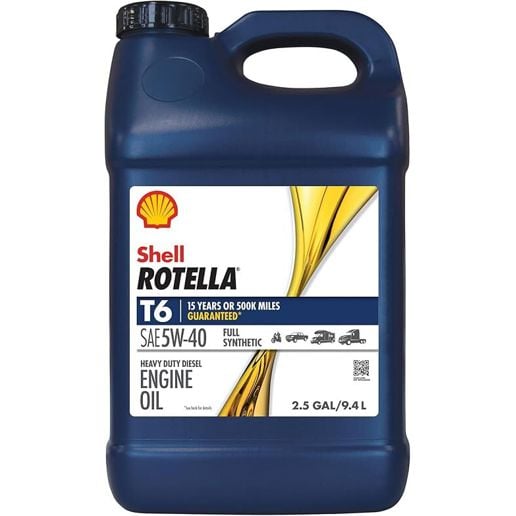
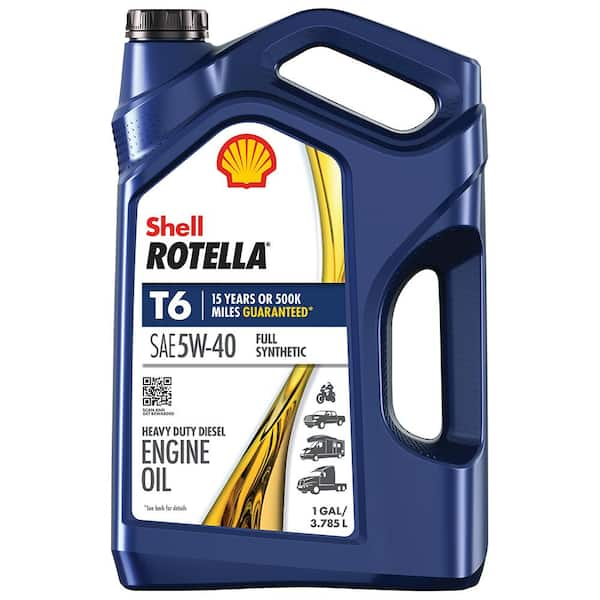
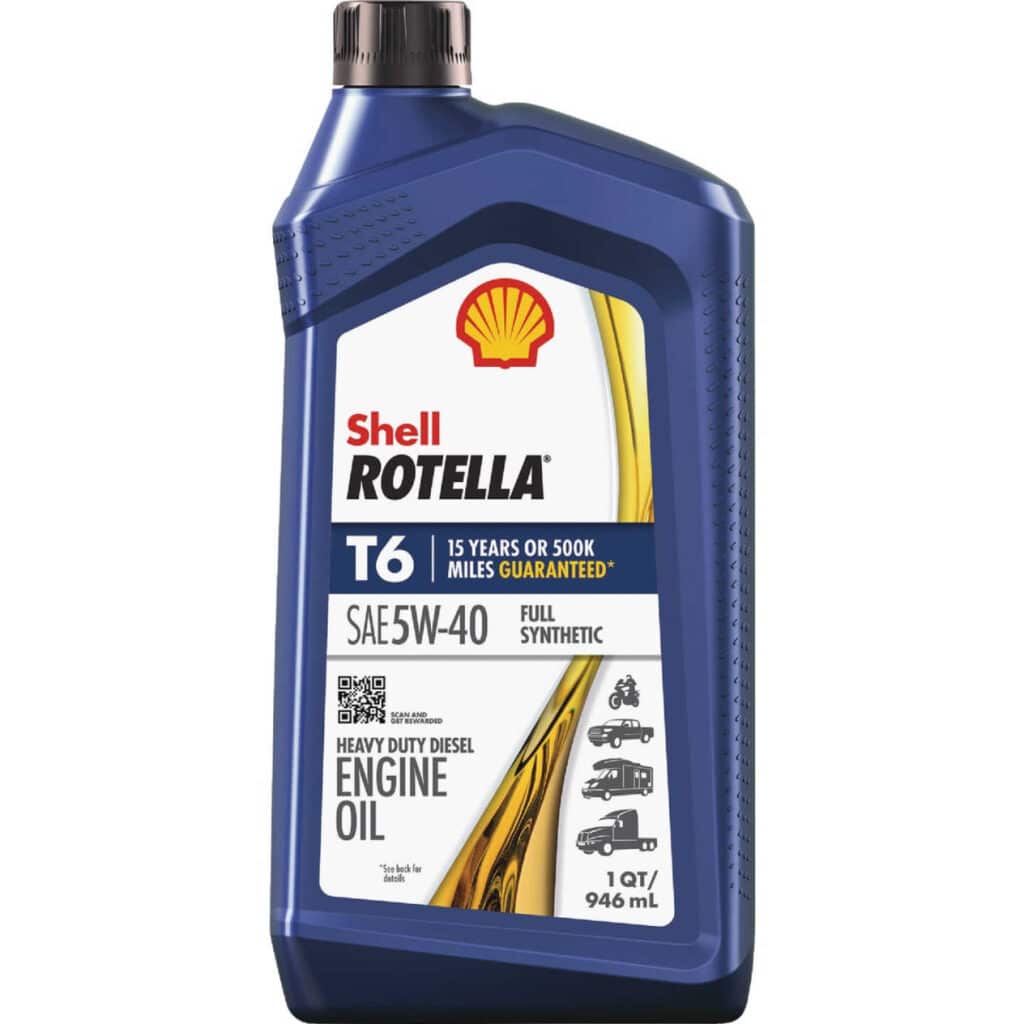
Shell Rotella T6 is a heavy-duty full synthetic oil. It targets diesel engines and hard use. Think towing, long highway pulls, and hot turbo work. It is also used in some gas engines that allow API SN or SP diesel-compatible oils.
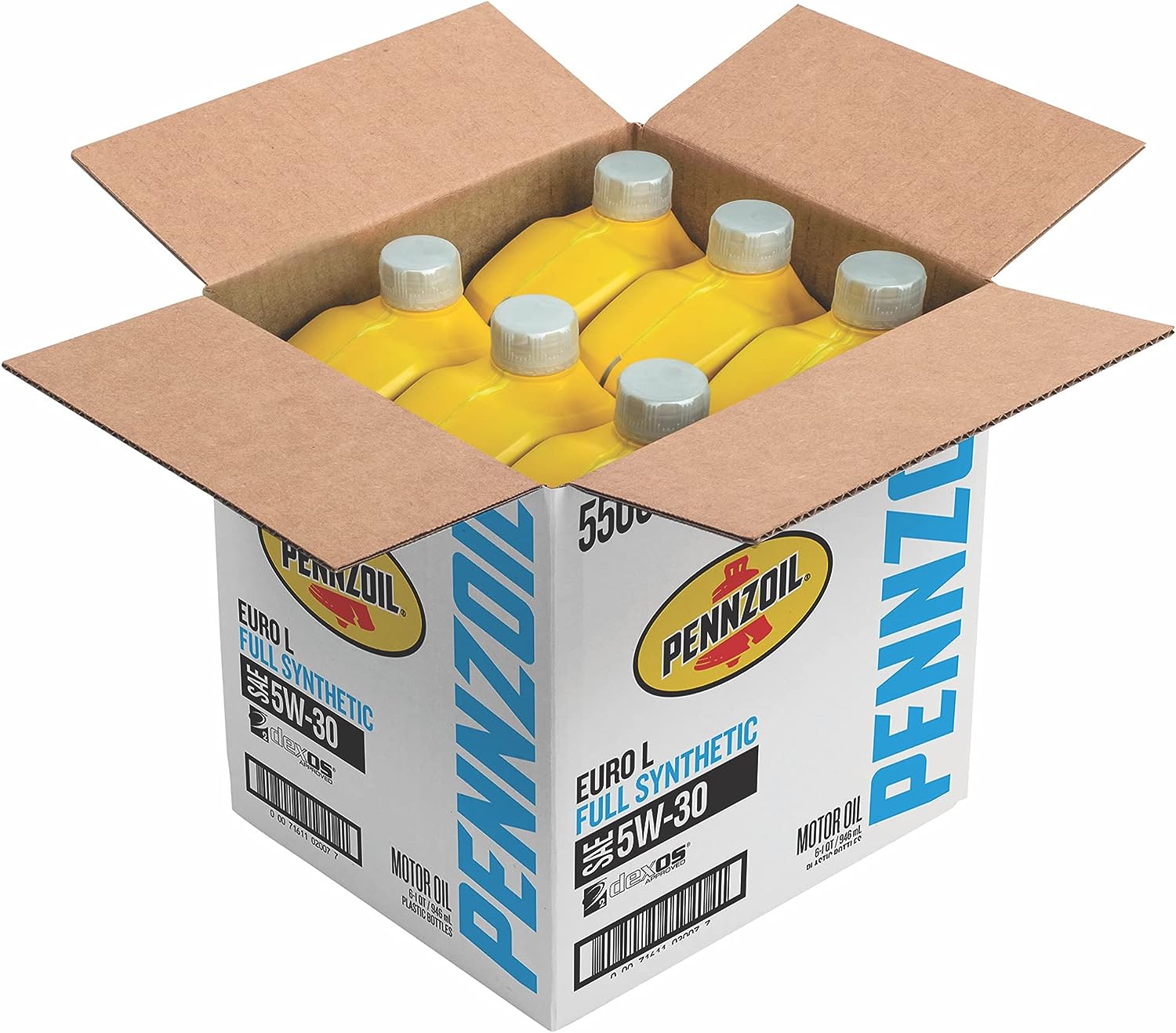
Pennzoil Ultra (often known as Ultra Platinum) is a full synthetic made from natural gas base oil. It targets modern gasoline engines. It is tuned for clean pistons, cold starts, and fuel economy. It also aims to reduce low-speed pre-ignition in small turbo engines.
So, shell rotella t6 vs pennzoil ultra is not a simple head-to-head. Each shines in a different lane. Matching oil to how you drive is the key.
Side-by-Side Comparison Table Of Shell Rotella T6 vs Pennzoil Ultra
| Feature | Shell Rotella T6 | Pennzoil Ultra Platinum |
|---|---|---|
| Best for | Heavy-duty trucks & diesel engines | Performance gasoline engines |
| Additive protection | Very high anti-wear package | Excellent overall protection & cleanliness |
| Cold start / High heat | Strong | Excellent |
| Fuel economy | Good, OEM-acceptable | Often better (due to base stock purity) |
| Sludge & deposits | Good | Excellent |
| Oil change interval | Long (especially diesel) | Standard (gasoline) |
| Typical API specs | CK-4/SN etc. | SP/ILSAC GF-6A |
Base Oils, Additives, and What That Means For You
Rotella T6 uses a stout additive pack. It is built for soot control, high temps, and shear stability. It often carries higher anti-wear levels than typical car oils. Many riders use it in motorcycles due to JASO MA/MA2 options.
Pennzoil Ultra uses a very pure base stock. It aims for low deposits and smooth flow. It uses strong detergents and friction modifiers. This helps with clean pistons and quiet idle in modern cars.
In shell rotella t6 vs pennzoil ultra, the base and additive strategy is different. One leans toward heavy-duty stress. The other aims for clean, efficient, and quiet daily use.
Viscosity Choices And Real-World Fit
Rotella T6 is common in 5W-40 and 15W-40. These grades handle heat and load. They work well in hot climates and with towing. Cold starts are fine with 5W-40, but not as fast as a 0W-20 or 0W-30.
Pennzoil Ultra comes in 0W-20, 5W-20, 5W-30, and more. These grades fit most gas cars. They help fuel economy and quick flow in winter. They also match many OEM specs.
For shell rotella t6 vs pennzoil ultra, match the grade to your manual. If you see 0W-20 or 5W-30, Pennzoil Ultra is the simple pick. If you see 5W-40 or heavy-duty notes, Rotella T6 may be right.
Standards, Approvals, And Why They Matter
Rotella T6 meets API CK-4 for diesel service. Many versions also meet API SN or SP for gas engines. Check the jug label. It may also show OEM diesel approvals.
Pennzoil Ultra meets API SP and often dexos1 Gen 3. It hits many car maker specs. It is made for direct injection, turbo gas engines, and timing chain wear control.
In shell rotella t6 vs pennzoil ultra, use the oil that matches your car’s spec. This protects your warranty and your engine.
Performance: Wear, Deposits, Heat, And Cold Starts
Wear protection:
- Rotella T6 holds up under heat and load. It resists shear in long runs.
- Pennzoil Ultra adds smoothness and strong anti-wear for daily gas cars.
Cleanliness:
- Rotella T6 fights soot and sludge in hard diesel duty.
- Pennzoil Ultra is famous for piston cleanliness in gas engines.
Volatility and oil burn:
- Both keep volatility in check. Pennzoil Ultra tends to have very low volatility due to its base stock.
Cold starts and short trips:
- Pennzoil Ultra in 0W-20 or 0W-30 flows very fast in cold.
- Rotella T6 5W-40 flows well but not as fast as a 0W.
High heat and towing:
- Rotella T6 is built for this. It is very stable at high temps.
- Pennzoil Ultra does fine, but it is not tuned for heavy diesel loads.
This is where shell rotella t6 vs pennzoil ultra becomes clear. Pick the one that lines up with how you drive.
Oil Change Intervals, TBN, And Lab Tests
Rotella T6 often shows higher reserve alkalinity in used oil reports. This helps in long runs and high soot use. Many diesel owners run it to the oil life monitor with good results.
Pennzoil Ultra also does well in extended intervals for gas cars. It keeps deposits low in direct injection engines. That helps with long-term reliability.
When weighing shell rotella t6 vs pennzoil ultra, follow your oil life monitor. Back it with an occasional used oil analysis if you tow, track, or idle a lot.
Price, Availability, And Value
Rotella T6 is often sold in gallons at a fair price. It is easy to find at truck stops and big box stores.
Pennzoil Ultra is also common at auto parts stores and online. Sales are frequent. Many buyers pair it with an OEM or high-end filter.
Value in shell rotella t6 vs pennzoil ultra comes from buying what your engine needs. Do not pay for features you will not use.
Which Should You Pick? A Simple Decision Guide
Pick Rotella T6 if:
- You have a diesel truck, van, or HD application.
- You tow, haul, or run hot, long trips.
- Your manual allows 5W-40 and API CK-4/SN.
- You want strong shear stability and robust wear control.
Pick Pennzoil Ultra if:
- You have a modern gas car or SUV.
- Your manual calls for API SP, ILSAC GF-6, or dexos1.
- You care about fuel economy and clean pistons.
- You drive short trips, cold starts, and city miles.
When in doubt on shell rotella t6 vs pennzoil ultra, read the cap and the manual. Match specs first. Then match how you drive.
Are Pennzoil And Shell The Same– What Drivers Need to Know?
My Hands-On Notes From The Shop Floor
I have used Rotella T6 5W-40 in a high-mile turbo car on track days. Oil temps stayed steady. Noise dropped at hot idle. The engine felt calmer in the last session.
I have put Pennzoil Ultra in a small turbo daily. Cold starts felt quick and smooth. Fuel economy ticked up a bit in winter. The valvetrain stayed quiet even past 7,500 miles.
In real life, shell rotella t6 vs pennzoil ultra is about fit. When I match the oil to the job, the engine rewards me. When I do not, I feel it in heat, noise, and fuel use.
Can I Drive 24000 Km On Pennzoil Platinum?
Common Mistakes And Myths To Avoid
- Ignoring the owner’s manual. Always match the spec first.
- Using thick oil to fix noise. It can mask problems, not solve them.
- Mixing oil types at random. Top off in a pinch, but plan a full swap soon.
- Assuming diesel oil is always better. It is great for load. Not always ideal for LSPI control.
- Stretching intervals without data. Use the oil life monitor or lab tests.
Keep these in mind when comparing shell rotella t6 vs pennzoil ultra. Small choices add up over time.
Frequently Asked Questions of shell rotella t6 vs pennzoil ultra
Can I run Rotella T6 in a gasoline car?
Sometimes, yes. Check that your exact T6 jug lists API SN or SP and matches your grade. If your manual requires dexos1, use a certified oil like Pennzoil Ultra.
Is Pennzoil Ultra safe for turbo engines?
Yes. It meets modern specs for turbo gas engines and controls LSPI. It also helps keep turbo feed lines and pistons clean.
Which oil is better for towing?
Rotella T6. It is built for heat, load, and long pulls. Use the grade your manual suggests for towing.
Which flows better in winter?
Pennzoil Ultra in 0W grades flows faster at very low temps. Rotella T6 5W-40 flows well, but not as fast as a 0W.
Will either oil void my warranty?
No, if the oil meets your vehicle’s required specs and grade. Always check the manual and the label.
Can I switch between these oils?
Yes, if both meet your specs. Do a full change with a new filter. Avoid frequent swapping without reason.
Which is better for high-mileage gas engines?
It depends on the spec. Many high-mileage gas cars do well on Pennzoil Ultra. If you need a thicker grade for heat, Rotella T6 5W-40 can help when allowed.
Conclusion
Shell rotella t6 vs pennzoil ultra is about using the right tool for the job. Rotella T6 is a workhorse for load, heat, and diesel duty. Pennzoil Ultra is a clean, efficient pick for modern gas engines and cold starts. Match the spec on the label to the one in your manual, then match the oil to how you drive.
Ready to choose with confidence? Pick based on your use case, set a smart interval, and stick with it. If you want more guides like this, subscribe or drop a comment with your engine and climate.