
Many popular models since 2007 use GDI, including Ford, VW, Hyundai, and Toyota.
If you want a clear, expert guide to what cars have GDI engines, you’re in the right place. I’ve spent years testing, maintaining, and researching direct-injection cars. This article explains what GDI is, what cars have GDI engines across brands, how to spot it, the pros and cons, and real-world care tips that save money.
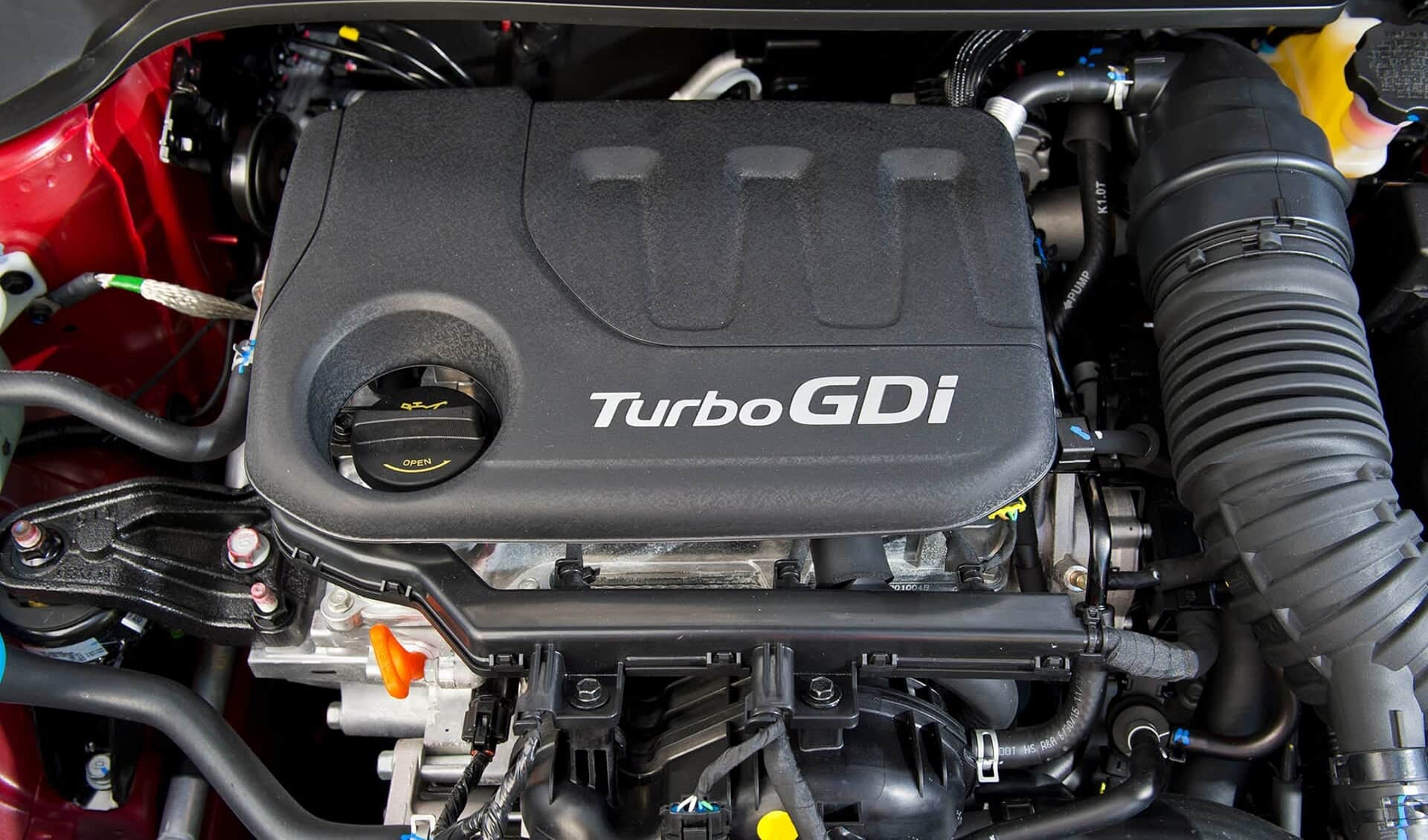
What is gasoline direct injection (GDI)?
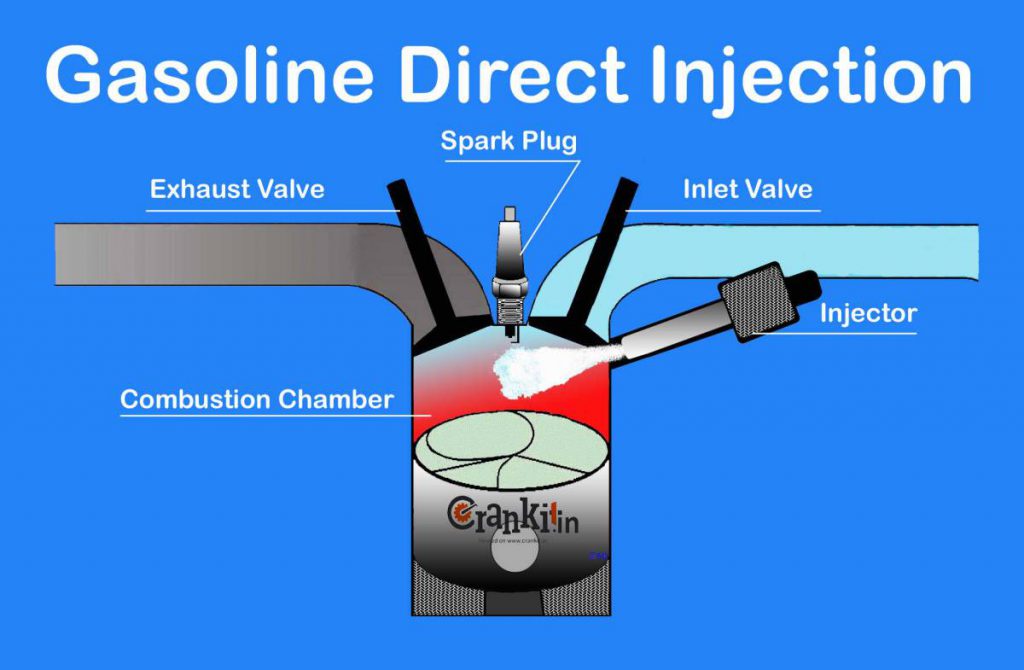
Gasoline direct injection sends fuel straight into the cylinder. A high-pressure pump feeds injectors that spray into the chamber. Timing is precise. Fuel use is smart and clean. Power feels strong, even at low revs.
You may see many names for the same idea:
- GDI or T-GDI for Hyundai and Kia.
- TSI or FSI for Volkswagen. TFSI for Audi.
- SIDI for GM (Chevy, GMC, Cadillac).
- D-4S for Toyota and Lexus. This is a mix of direct plus port.
- Skyactiv-G for Mazda.
- Earth Dreams for Honda and Acura (most are DI).
- DIG for Nissan and Infiniti.
- DFI for Porsche. BlueDIRECT/CGI for Mercedes.
The goal is simple. Make more power. Use less fuel. Cut some emissions. That is why many brands moved to GDI.
Tested 8 Best Oil for GDI Engines (2026): Prevent LSPI & Carbon Buildup
What cars have GDI engines? Brand and model highlights
Shoppers ask what cars have GDI engines because it affects power, mpg, and upkeep. The short answer: many new cars do. The long answer: it depends on year, trim, and market. Always confirm with the owner’s manual, the window sticker, or the VIN decoder.
Below are common examples for the US and global markets. This will help you answer what cars have GDI engines fast when you shop or inspect.
Audi and Volkswagen
- VW: Golf, GTI, Golf R, Jetta, Passat, Tiguan, Atlas 2.0T, Arteon (TSI/FSI).
- Audi: A3 to A8, Q3 to Q8, plus S and RS lines (TFSI).
- Note: These brands use DI across most gas engines since the late 2000s.
BMW and MINI
- BMW: 1/2/3/4/5/7 Series, X1–X7. Most turbo and many non-turbo use DI.
- MINI: All modern MINI gas models are DI.
Mercedes-Benz
- C-, E-, S-Class, CLA/GLA/GLC/GLB/GLE/GLS. Most BlueDIRECT/CGI gas engines are DI.
Ford and Lincoln
- EcoBoost engines are GDI or dual-injection. F-150 (2.7, 3.5), Mustang (2.3T and 5.0 with PFDI), Explorer, Edge, Escape, Bronco, Maverick, Fusion (EcoBoost).
- Many newer engines add both port and direct injection (PFDI).
GM: Chevrolet, GMC, Cadillac, Buick
- Chevy: Malibu 2.0T, Equinox, Traverse, Blazer, Camaro 2.0T/3.6, Corvette (LT series V8 are DI).
- GMC/Chevy trucks: 5.3 and 6.2 V8 are DI (Gen V).
- Cadillac: CT4/CT5/XT4/XT5/XT6, many with DI or turbo DI.
Toyota and Lexus (D-4S dual injection)
- Toyota: Camry (2.5 and V6), Corolla 2.0, RAV4, Highlander V6 (prior gen), GR86, GR Corolla, Tacoma V6 (2GR-FKS), Crown, Grand Highlander.
- Lexus: IS/RC/GS/ES/LS/NX/RX/UX. Many V6 and 2.0T engines use D-4S.
Honda and Acura
- Honda: Civic 1.5T, Accord 1.5T/2.0T, 2013–2017 Accord 2.4, CR-V 1.5T, Pilot 3.5 (DI), Passport, Ridgeline (newer 3.5 DI).
- Acura: RDX 2.0T, TLX 2.0T/3.5 V6 (DI in newer years), MDX 3.5 DI.
Mazda
- Mazda3, Mazda6, CX-3, CX-30, CX-5, CX-50, CX-9 (Skyactiv-G). Most gas Mazda engines are DI.
Hyundai, Kia, Genesis
- Hyundai: Elantra, Sonata, Kona, Tucson, Santa Fe, Santa Cruz, Veloster, Ioniq Hybrid (some DI), many Smartstream engines use DI or dual injection.
- Kia: Forte, K5/Optima, Soul, Seltos, Sportage, Sorento, Telluride 3.8 is port, but many 1.6T/2.5T are DI or dual.
- Genesis: G70, G80, G90 with 2.0T/2.5T/3.3T/3.5T (DI or dual).
Nissan and Infiniti
- Nissan: Juke 1.6T (DIG), Rogue 1.5 VC-T, Altima 2.0 VC-T (DI), Pathfinder 3.5 VQ35DD DI (recent gens), Z with VR30 DI.
- Infiniti: Q50/Q60 3.0T VR30DDTT, QX50 2.0 VC-Turbo (DI).
Subaru
- WRX (FA-series DI turbo), Ascent 2.4T DI, Outback/Legacy XT 2.4T DI, many newer FB engines add DI, BRZ/GR86 use Toyota D-4S.
Mitsubishi
- Eclipse Cross 1.5T DI. New Outlander uses a Nissan-sourced 2.5 DI (PR25DD).
- Older global Mitsubishi GDI engines existed since the late 1990s.
Volvo
- Drive-E 2.0T across S60/V60/S90/V90/XC40/XC60/XC90. Most gas Volvos are DI.
Jaguar Land Rover
- Ingenium 2.0T DI in many Jaguar and Land Rover models.
- Supercharged V6/V8 are DI.
Porsche
- 911, Boxster, Cayman, Macan, Cayenne, Panamera. Porsche calls it DFI.
Stellantis (Jeep, Dodge, Alfa Romeo, Ram)
- Alfa Romeo Giulia/Stelvio 2.0T DI.
- Jeep Wrangler/Grand Cherokee 2.0T DI. Wagoneer/Grand Wagoneer 3.0 Hurricane DI.
- Many Hemi V8s were port-injected; newer Hurricane I6 is DI.
If you need to answer what cars have GDI engines for a used buy, start with these lists. Then confirm the exact engine code and year.
5 Best Fuel Additives for GDI Engines: Tested That Fix Stops Carbon Buildup
Benefits and trade-offs of GDI
Why did automakers switch? Three big gains:
- Better torque and power. Precise fuel at high pressure helps knock control.
- Higher fuel economy. Real-world gains are a few percent for many models.
- Cleaner CO2 per mile. Less fuel burned for the same speed.
But GDI has trade-offs:
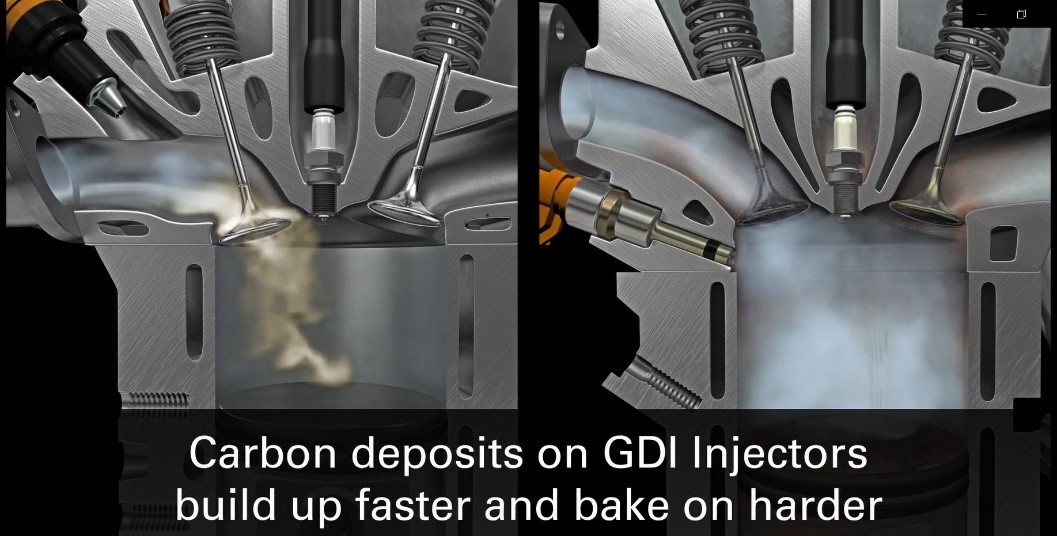
- Intake valve carbon. Fuel no longer washes valves on pure GDI engines. Buildup can reduce power and cause rough idle over time.
- LSPI risk in small turbo GDI. Use the right oil spec to reduce low-speed pre-ignition.
- Oil dilution on some engines. Short trips and cold weather can worsen this. Follow oil change intervals and use the right grade.
- More particulate matter. Many new cars add a gasoline particulate filter (GPF) in some markets.
Modern fixes help. Dual injection (both port and direct) keeps valves cleaner. Better PCV systems and ECU logic also help. Ask your dealer which system your car uses.
How to tell if your car has GDI
You can check this in minutes:
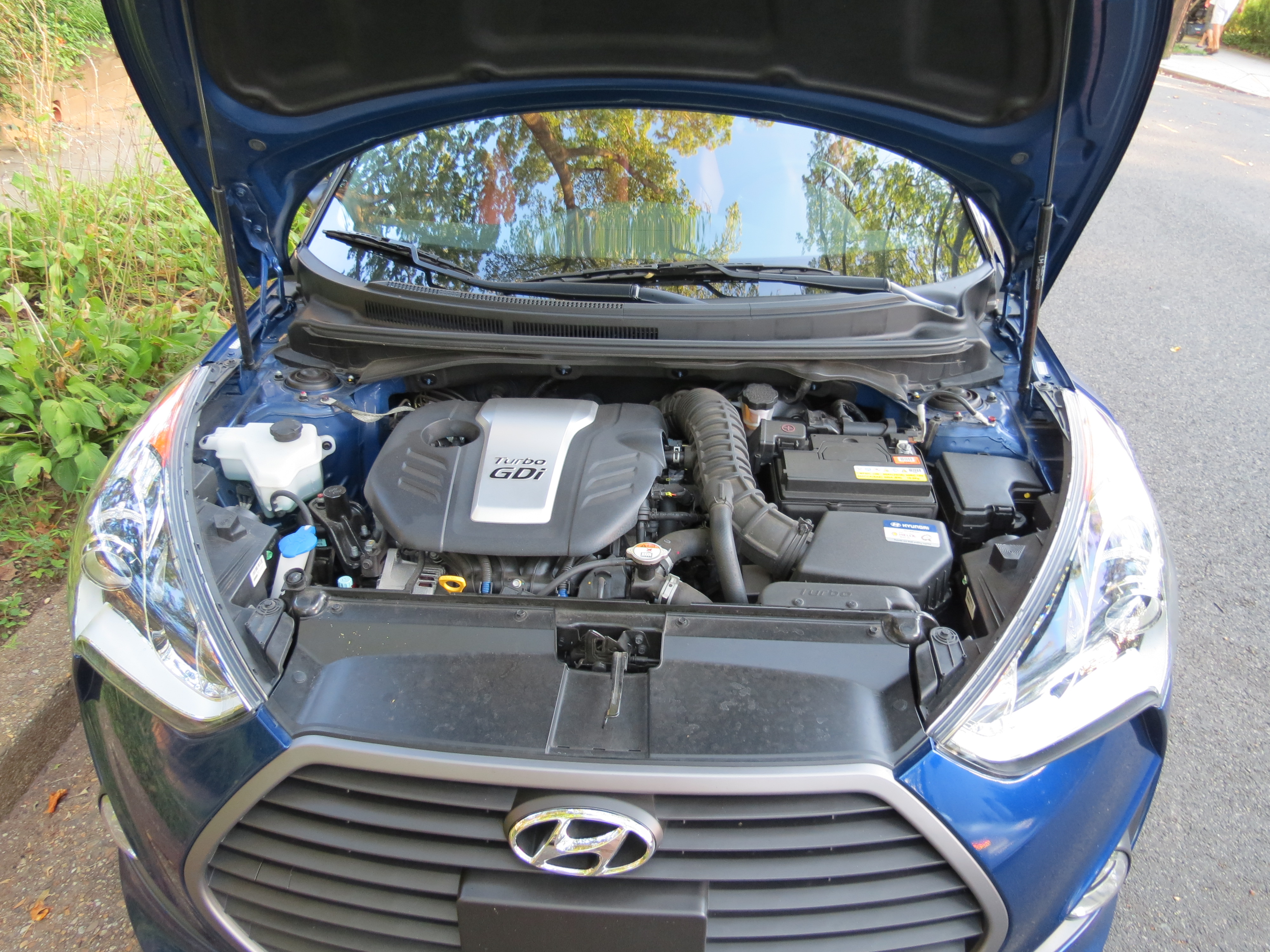
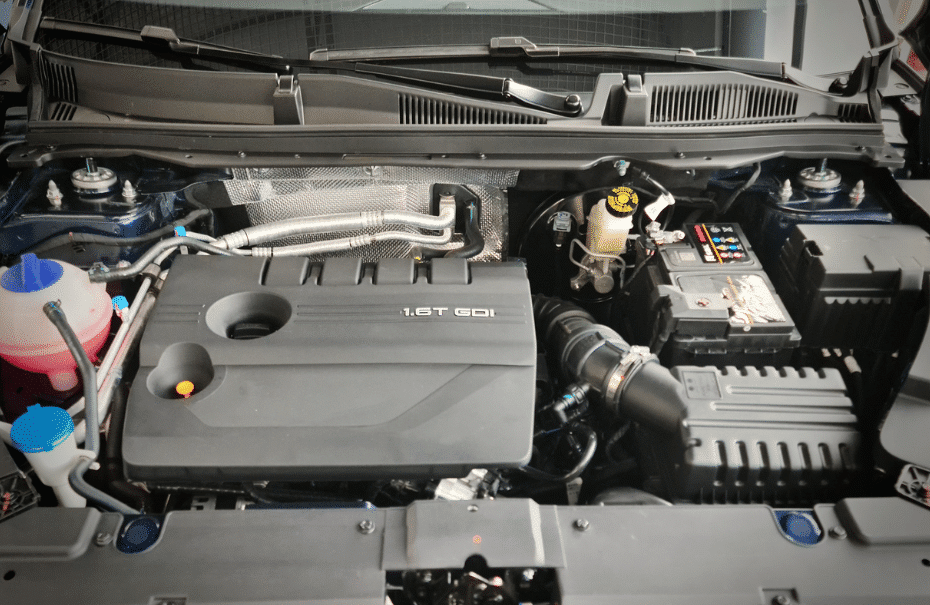
- Look for labels on the engine cover. You may see GDI, T-GDI, TSI, TFSI, SIDI, D-4S, Skyactiv-G, Earth Dreams.
- Spot the high-pressure fuel pump. It sits on the cylinder head. A metal hard line runs to the fuel rail.
- Read the owner’s manual. It lists injection type and fuel needs.
- Scan the window sticker or online spec sheet. Search “direct injection.”
- Listen for a light tick at idle. Many GDI pumps make a soft, regular tick.
This quick method also helps when friends ask what cars have GDI engines while browsing at a lot.
Maintenance tips, fixes, and my real-world lessons
I’ve owned and serviced many GDI cars. The pattern is clear. Good habits prevent most issues.
What I do on my own GDI cars
- Use Top Tier fuel. It keeps injectors clean. I saw fewer misfires on customer cars that stuck with it.
- Stick to the correct oil spec. For many turbo GDI engines, that means oils rated to prevent LSPI.
- Change oil on time. Short trips cause fuel in oil. I use shorter intervals in winter.
- Clean the intake valves when needed. On some cars, I inspect at 60–100k miles. Walnut blasting works well. I have restored smooth idle many times.
- Consider a catch can only if you accept extra checks. It can help on some engines. But it is not OEM-approved and needs drain checks.
- Do highway runs. Heat and airflow help clear moisture and soot.
Common mistakes to avoid
- Ignoring rough idle. It can be early valve buildup or a fouled plug.
- Using cheap fuel and long oil intervals. This stacks risk.
- Installing the wrong spark plugs. Many GDI engines need specific heat ranges.
If you buy used and wonder what cars have GDI engines that age well, look for dual-injection systems, full service records, and smooth cold starts. These are green flags.
GDI vs port injection vs dual injection vs turbo GDI
- Port injection. Fuel sprays above the intake valve. Valves stay cleaner. Less complex, but less precise at high loads.
- GDI. Fuel sprays into the cylinder. Great control. Needs care for valves on pure GDI setups.
- Dual injection. Both port and direct. This blends power and cleaner valves. Toyota D-4S and many new Hyundai/Kia and Ford engines use it.
- Turbo GDI (T-GDI, TFSI, EcoBoost). Turbo plus GDI. Strong low-end torque and great tuning headroom. Needs strict oil and plug care.
When friends ask what cars have GDI engines that avoid carbon, I point to dual-injection models. They are the easy win.
Buying guide: used and new shoppers
If you want a fast checklist for what cars have GDI engines and how to pick a good one, use this:
For used cars
- Confirm injection type. Pure GDI or dual.
- Review service history. Look for Top Tier fuel use and timely oil changes.
- Check cold-start idle. Listen for stumble or uneven idle.
- Scan for codes. Misfires or fuel trim issues can hint at buildup.
- Ask about valve cleaning. Walnut blast records are a plus on older DI-only cars.
For new cars
- Ask about dual injection. It cuts carbon risk.
- Verify oil spec and interval. Some turbo GDI need special oils.
- Pick quality fuel stations. Plan for 87 vs 91/93 based on the manual.
A smart plan beats luck. When people ask me what cars have GDI engines that are low-drama, I share one rule: buy the system you can maintain, not just the badge you like.
Frequently Asked Questions of what cars have gdi engines
What cars have GDI engines in the US right now?
Most new gas cars from Ford, GM, Toyota, Honda, Hyundai, Kia, VW, BMW, and Mercedes use GDI or dual injection. Always check the exact trim and engine code.
Is GDI the same as TSI, TFSI, EcoBoost, or Skyactiv-G?
Yes, these are brand names for engines that include direct injection. Some use dual injection as well.
Do GDI engines need premium gas?
Only if the manual says so. Many GDI engines run on regular, but turbo models often make full power on premium.
How often should I clean GDI intake valves?
Inspect around 60–100k miles on pure GDI engines. Dual-injection engines may go longer before any cleaning.
Are GDI engines reliable long-term?
Yes, with the right care. Use the correct oil, good fuel, and keep up with service to avoid carbon issues.
What cars have GDI engines and also port injection?
Look for Toyota/Lexus D-4S, many new Hyundai/Kia Smartstream engines, and Ford’s PFDI V8 and V6. Dual systems help keep valves cleaner.
What cars have GDI engines but no known big carbon issues?
Models with dual injection tend to be lower risk. Newer designs also have better PCV systems and calibration.
Conclusion
GDI is now normal in the car world. It delivers punchy torque, strong mpg, and modern emissions control. With simple habits and the right oil and fuel, GDI cars can run smooth for years.
Use this guide to spot what cars have GDI engines, choose a solid model, and care for it well. Want more deep-dive lists by brand and year? Subscribe or drop a comment with the car you’re eyeing, and I’ll help you verify the engine and maintenance plan.