
The designation 5W-20 refers to the viscosity of engine oil and how it flows at different temperatures. The “5W” indicates the oil’s flow in cold temperatures (the “W” stands for winter), meaning it remains thin enough for easier cold starts. The “20” represents the oil’s thickness at normal engine operating temperature, showing it is lighter than higher numbers like 30 or 40. Using the correct 5W-20 oil ensures proper lubrication, fuel efficiency, and engine protection as recommended by the vehicle manufacturer.
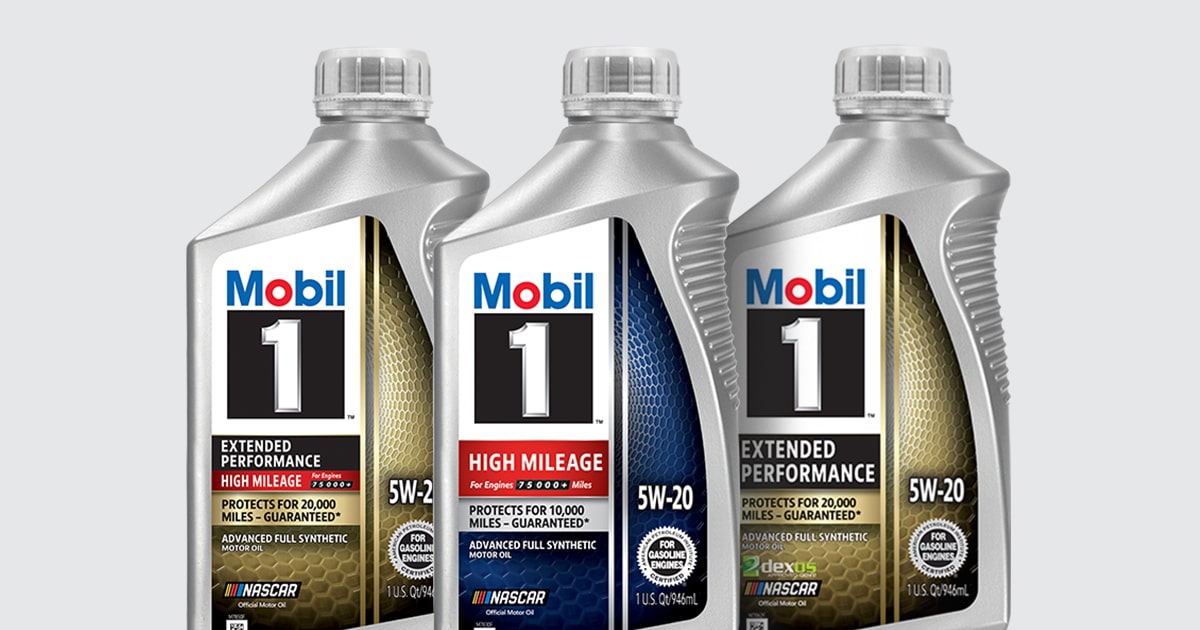
Mobil 1 5W‑20 Advanced Synthetic – Excellent all‑around protection and longevity with strong wear & cleanliness performance (top rated by users & reviewers).
Castrol Edge High Mileage 5W‑20 – Premium full synthetic with superior wear resistance and protection for older engines.
Valvoline MaxLife High Mileage 5W‑20 – Great value choice with MaxLife tech to reduce leaks and improve life in high‑mileage vehicles.
What Does 5W-30 Mean? – Cold Starts, Hot Protection & Why It Matters
If you have ever asked what does 5w20 mean, you are in the right place. I work with oils and engines every day, and I have seen how one number on a bottle can change how a car starts, runs, and lasts. In this guide, I break down what does 5w20 mean in plain words, with research, real tips, and stories from the shop. Stick with me and you will know exactly when to choose it, why it works, and when to avoid it.
What Does 5W20 Mean
When people ask what does 5w20 mean, they want a clear answer. The 5W tells you how the oil flows in cold weather. The W stands for winter. The 20 tells you how thick the oil is at hot engine temps.
Think of maple syrup in a fridge versus on a warm pancake. Cold makes fluids thicker. Heat makes them thinner. A 5W-20 oil uses additives so it stays thin enough when cold for fast starts, yet still has enough body when hot to protect parts.
Under the SAE J300 standard, the 5W rating covers low temperature cranking and pumping. The 20 rating covers hot viscosity at 212°F. You do not need to remember the test names. Just know 5W helps cold starts and 20 protects at normal engine heat. This is the core of what does 5w20 mean.
5W-20 is engine oil: grade 5 in cold, grade 20 at engine heat.
How viscosity grades work, in simple terms
Viscosity is a fluid’s resistance to flow. High number means thicker. Low number means thinner. Engines need oil that is thin at start and stable when hot.
- Multigrade oils like 5W-20 use base oil plus special polymers. They resist thinning too much as heat rises.
- The first number with W is for cold start behavior. Lower is better for cold starts.
- The second number is for hot protection. Higher means thicker at heat.
When someone asks what does 5w20 mean, I say it is a balance. It aims for fast flow on start and solid film at speed. That balance saves wear, helps fuel economy, and keeps parts clean when the oil also meets API SP or ILSAC GF-6 specs.

When to use 5W-20
Use 5W-20 if your owner’s manual calls for it. Many Ford, Honda, Toyota, and Stellantis engines use it. It helps cold starts and can improve mpg.
- Choose 5W-20 for daily driving, short trips, and mixed climates. It warms up fast and reduces drag.
- It is often the best choice for modern small and mid engines with tight clearances and variable oil pumps.
- If you tow heavy, track the car, or drive in extreme heat, check the manual. Some engines allow 5W-30 in those cases.
Here is my take from the field. I have switched fleets from 5W-30 to 5W-20 when the OEM updated specs. We saw 1 to 2 mpg gains and smoother starts. But for trucks that tow in summer, we stuck with what the manual allowed or moved to a thicker grade. That mix shows why what does 5w20 mean depends on use and design.
5W-20 vs 0W-20 vs 5W-30
This is where what does 5w20 mean meets real choice. All three can be correct in the right engine. The manual is the boss.
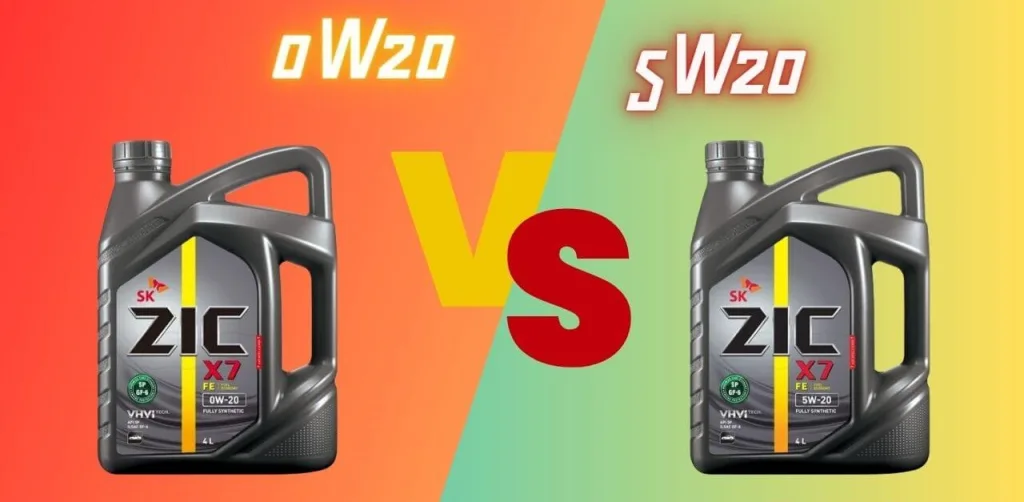
- 5W-20 vs 0W-20: 0W-20 flows even better in deep cold. Many hybrids use it. In mild climates, both start well. Use what the OEM says.
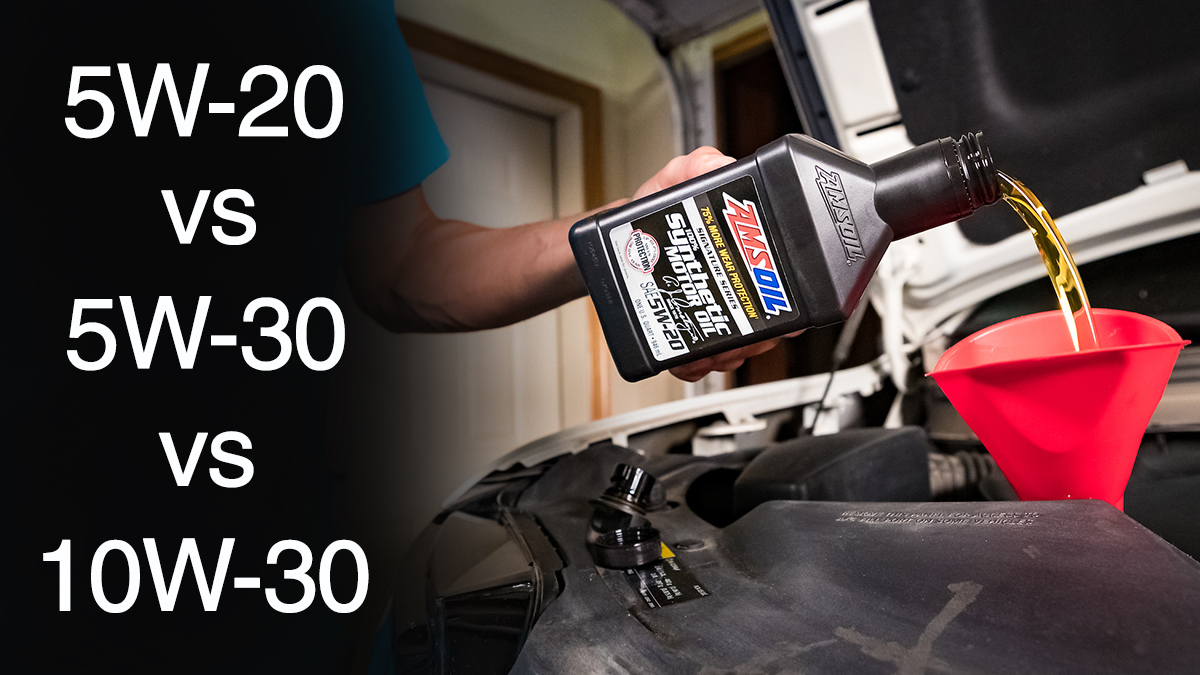
- 5W-20 vs 5W-30: Both start the same in cold. 5W-30 is a bit thicker when hot. That can help under high load or heat, if the manual allows it.
- Synthetic vs conventional: Full synthetic 5W-20 handles heat and cold better, resists sludge, and fights low speed pre-ignition in turbo GDI engines when certified.
If you still wonder what does 5w20 mean for your car, check the oil cap, the manual, and the service guide. They often list a chart based on outside temperature and driving.
Certifications that matter
Labels are not just marketing. They show tests the oil passed. This adds trust and explains what does 5w20 mean for engine safety and life.
- Look for API SP or newer. It protects against wear, sludge, timing chain wear, and LSPI.
- Look for ILSAC GF-6A for fuel economy and deposit control. Most 5W-20 oils carry this.
- OEM specs can add more. Examples include Ford WSS-M2C945 and GM dexos1 Gen 3. Use them if your car needs them.
These marks matter more than brand hype. If the bottle meets the exact spec in your manual, you are set. That is the best way to match what does 5w20 mean with what your engine was built to use.
Real-world tips, mistakes to avoid, and lessons learned
After many oil changes and teardown checks, here are simple rules that work. They fit the heart of what does 5w20 mean for daily care.
- Follow the manual for grade and spec. Small changes may void warranty or cause noise or wear.
- Stick to one grade for top-offs. A small mix is fine in a pinch, but do not make it a habit.
- Change on time. Use the oil life monitor or the severe schedule for many short trips.
- Listen to your engine. If it rattles on start with 5W-20, test the brand or move to a spec with better chain wear control. Only change grade if the manual allows it.
- Keep records. Note brand, spec, mileage, and filter. This helps with trends and resale.
One shop story stands out. A customer ran 10W-40 in a modern engine that calls for 5W-20. Cold starts were rough, fuel use rose, and the check engine light flashed for cam timing. A switch back to 5W-20 API SP fixed it. That is a case study in what does 5w20 mean in practice.
Myths about 5W-20, busted
Bad tips spread fast. Here is the truth so you can judge what does 5w20 mean with clear facts.
- Myth: 5W-20 is only for winter. Truth: It protects year round when the OEM says so.
- Myth: Thicker oil always protects better. Truth: Too thick can starve parts on cold start and cut mpg.
- Myth: Old engines need thick oil. Truth: Use the manual first. A high mileage 5W-20 with seal conditioners may be better than a thick grade.
- Myth: Synthetic is always overkill. Truth: Modern engines and long drains benefit. Costs have dropped a lot.

Frequently Asked Questions of what does 5w20 mean
Is 5W-20 only for cold climates?
No. 5W-20 is designed for year-round use when the manual calls for it. The 5W helps cold starts, while the 20 gives hot protection.
Can I switch from 5W-30 to 5W-20?
Only if your owner’s manual lists both or a service bulletin allows it. If not, stick to the listed grade to protect parts and warranty.
Will 5W-20 harm a high-mileage engine?
Not if the engine was built for it and the oil meets API SP or ILSAC GF-6A. If it burns oil, try a high-mileage 5W-20 before changing grade.
Is synthetic 5W-20 better than conventional?
Synthetic 5W-20 resists heat, cold, and sludge better. It also helps with turbo GDI issues like LSPI when it meets current specs.
Can I mix 5W-20 with 5W-30 in an emergency?
A small top-off is fine to reach a shop. At the next service, return to the correct grade and spec.
Does 5W-20 improve fuel economy?
Often yes, in engines designed for it. Thinner hot viscosity reduces drag and can add a small mpg gain.
What does 5w20 mean for engine wear?
It means fast oil flow on start and stable film at heat, as tested by SAE J300. In the right engine, that balance cuts wear.
Conclusion
Now you know what does 5w20 mean, how it works, and when to use it. It is a balanced oil grade that supports easy starts, fuel savings, and long engine life when the manual calls for it. Match the grade and the spec, and your engine will thank you.
Put this into action today. Check your oil cap, read the manual, and buy a 5W-20 that meets API SP and ILSAC GF-6A or your OEM spec. Want more guides like this or have a question about what does 5w20 mean for your car? Subscribe, share your experience, or drop a comment and I will help you choose with confidence.