
What Is an Engine Oil Filter, Exactly?
An engine oil filter is a small cylindrical device that removes dirt, metal shavings, and sludge from your engine oil before it circulates through the engine. Think of it as a bouncer at the door—it keeps the bad stuff out so clean oil can do its job protecting your engine’s moving parts. Without it, your engine is basically drinking dirty water.
The Simple Definition (No Mechanic Degree Required)
I remember the first time I crawled under my old sedan on a sunny Saturday morning. I expected to find some complex, high-tech machinery. Instead, I saw what looked like a stout tin can screwed onto the side of the engine block. That is your engine oil filter.
Physically, it is usually a metal cylinder—about the size of a large coffee mug—painted blue, white, or black. It typically sits on the bottom or side of the engine where it can catch the oil as it flows. The concept is simple: oil goes in dirty, passes through a “maze” of fibers inside, and comes out clean. It is the only thing standing between your expensive engine parts and a world of gritty hurt.
What Does “Engine Oil” Actually Carry Around?
When I first started DIY-ing my car maintenance, I figured oil stayed pretty clean inside a sealed engine. I was wrong. After just 5,000 miles, I drained my oil and saw it looked like dark molasses.
So, what is engine oil filter actually catching? It turns out your oil is a busy housekeeper carrying away some nasty guests:
- Microscopic Metal: As your engine parts rub together at thousands of RPMs, tiny bits of metal flake off.
- Carbon and Soot: These are “leftovers” from the tiny explosions that power your car.
- Sneaky Dirt: No air filter is perfect. Tiny dust particles from the road eventually find their way into the system.
If these contaminants aren’t trapped, your oil becomes “liquid sandpaper.” Research shows that particles as small as 10 to 20 microns (stuff you can’t even see) can cause up to 4 times more wear on your engine bearings if the filter fails to grab them. That is why I never skip the filter—it is the cheapest “insurance policy” you will ever buy for your car.
How Does an Engine Oil Filter Actually Work?
Oil is pumped out of the sump, pushed through the filter media (usually pleated paper or synthetic fiber), and anything too big to squeeze through gets trapped. Clean oil continues on its way to lubricate your bearings, camshaft, and pistons. The whole cycle happens dozens of times per minute — quietly, invisibly, every single time you drive.
The Internal Anatomy of an Oil Filter
Last Sunday, I decided to finally cut open an old filter just to see what was inside. I’ll be honest, it was messy, but it was worth it to see the “guts” of the thing. Here is what I found inside that steel shell:
- The Filter Media: This is the star of the show. It looks like a pleated fan made of paper or synthetic fibers. This is where the actual cleaning happens.
- The Anti-Drainback Valve: This is a small rubber flap. It keeps oil from draining out when you turn off the car. This prevents a “dry start” the next morning, which is when most engine wear happens.
- The Bypass Valve: This is a spring-loaded gate. If the filter gets too full of junk, this opens so the engine doesn’t starve for oil.
- The Outer Steel Housing: This is the “can” you see from the outside. It has to be strong to handle the high pressure of the oil pump.
The Oil Filtration Cycle, Step by Step
Sitting in my driveway, watching the oil flow, I realized just how fast this system moves. It’s a constant loop that keeps your car alive. Here is how it goes:
- The Pull: Your oil pump grabs oil from the pan (the sump) at the bottom of the engine.
- The Push: The pump sends that oil under pressure straight into the outer holes of the filter.
- The Trap: The oil forced through the pleated media. Tiny bits of dirt and metal get stuck here.
- The Exit: Clean, smooth oil shoots out the big center hole and goes up to your pistons and valves.
The crazy part? This happens dozens of times every minute. If you are driving at highway speeds, your oil is being scrubbed clean constantly.
What’s a Bypass Valve and Why Should You Care?
I used to think that if a filter got clogged, the oil just stopped moving. That would be a disaster! Thankfully, engineers are smart. They added a bypass valve.
If your filter is totally full of gunk—maybe because you missed an oil change by a few months—this valve opens up. It allows oil to go around the filter instead of through it.
Why does this matter? It is a “lesser of two evils” situation. Moving dirty oil through your engine is bad, but having no oil at all will kill your engine in minutes. If that valve is open, your engine is essentially drinking “dirty water.” This is why I always check my mileage. Once that filter is full, it stops being a filter and just becomes a hollow tube.
Don’t let your car get to that point. It’s a loud, expensive lesson I hope you never have to learn!
Are Mobil 1 Filters Good? Worth It After 5,000 Miles? Real Results
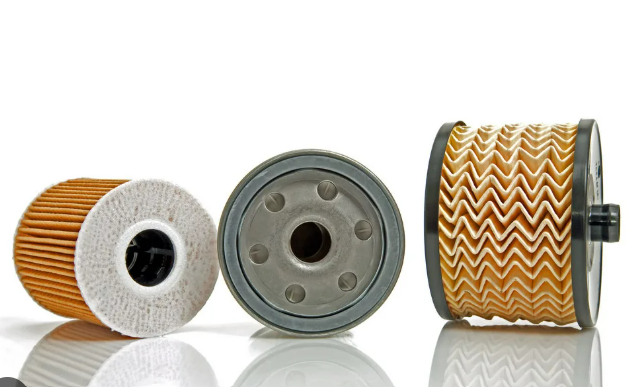
Types of Engine Oil Filters — They’re Not All the Same
There are several types of oil filters, and the differences actually matter. The spin-on filter is the classic twist-and-go style most people know. Cartridge filters are more eco-friendly and increasingly common in modern cars. Then there are magnetic and centrifugal types for performance builds. Knowing yours saves you from grabbing the wrong one at the auto parts store on a Saturday morning.
Spin-On Oil Filters
I used to love my old truck for one reason: the spin-on filter. On a clear Saturday morning, I could swap it out in five minutes. This is the “classic” style. It is a self-contained metal can. The filter material and the housing are all one piece.
You just unscrew the old one and spin on the new one. Most American cars from the last few decades use these. They are simple and sturdy. However, you do throw away the whole metal can every time. It’s not the most green option, but it sure is easy for a home mechanic.
Cartridge (Element-Style) Oil Filters
Then I bought a newer European car. I popped the hood and couldn’t find the “can” anywhere. That is when I met the cartridge filter. Instead of a metal housing, you have a permanent cap on the engine. You unscrew the cap and drop in a paper-like “element.”
It is a bit messier. I’ve definitely ended up with oil dripping down my arm more than once with these. But, they are much better for the earth. You only throw away the paper part, not a big steel shell. Plus, you can easily see the gunk it caught, which is strangely satisfying.
Magnetic Oil Filters
A buddy of mine who builds race cars once showed me his magnetic setup. These are cool because they don’t just wait for the oil to pass through. They use a strong magnet to grab tiny shards of steel.
- Pro: They catch metal that might be too small for paper filters.
- Con: They don’t do anything for dirt or carbon.
I wouldn’t use one instead of a standard filter. But as an add-on? It’s like having a secondary security guard for your engine. If you see a lot of “fuzz” on the magnet during an oil change, you know your engine parts are wearing down fast.
High-Performance and Synthetic Media Filters
Last summer, I spent a bit extra on a “synthetic media” filter for a long road trip. Most cheap filters use cellulose (basically paper). High-end brands like Wix, Bosch, or Mobil 1 use synthetic fibers.
Why spend the extra $5? Efficiency. A standard filter might catch 95% of dirt. A high-performance one can catch 99% of particles as small as 20 microns. When I’m pushing my car through mountain passes in the heat, I want that extra protection. It feels good knowing the oil is as pure as possible.
What Happens If You Never Change Your Oil Filter?
Skip the oil filter long enough and your engine will tell you — loudly. The filter gets so clogged the bypass valve opens, sending dirty, unfiltered oil straight to your engine. Over time, that means scored bearings, sludge buildup, and eventually an engine that needs a full rebuild. It’s one of the cheapest maintenance items you can buy, and one of the most expensive to ignore.
Early Warning Signs of a Dirty or Clogged Oil Filter
I once ignored a service light during a busy holiday week. I thought, “It’s just a filter, what is the worst that could happen?” By the third day, my car started acting strange. It felt tired. If you feel like your car is losing its “pep,” pay attention. Here is what I noticed:
- The Flickering Light: That little red oil can on your dash might blink. It is a cry for help. It means your oil pressure is dropping because the filter is too choked to let oil through easily.
- Metallic Chattering: My engine grew louder. Without fresh oil from the engine oil filter, the metal parts started to click and clatter.
- The Dipstick Test: I pulled the dipstick and saw black, gritty goop instead of smooth amber liquid. If it feels like sandpaper between your fingers, your filter has quit.
The Sludge Problem (It’s as Bad as It Sounds)
Neglecting your filter leads to “sludge.” Think of it as engine cholesterol. When the filter stops catching carbon and dirt, the oil thickens into a black pudding.
I saw a neighbor’s engine get torn apart because of this. The repair bill was over $4,000. Why? Because sludge blocks the tiny veins that feed oil to your engine. According to some mechanic data, sludge is a top cause for engine failure in cars over 100,000 miles. It is a slow, sticky death for your car.
Can a Bad Oil Filter Cause Oil Leaks?
Believe it or not, a filter can actually cause a puddle on your driveway. One time, I rushed a job and didn’t check the old filter. The old rubber gasket had stuck to the engine. I put the new filter on top of it. This is called “double-gasketing.”
As soon as I started the car, oil sprayed everywhere. It was a huge, greasy mess.
- Loose Filters: If it’s not snug, oil will seep out.
- Cheap Gaskets: Bargain-bin filters often use thin rubber that cracks in the winter.
- Cross-threading: If you force it on crooked, you’ll ruin the threads and cause a permanent leak.
A leaking filter isn’t just a mess; it’s a fire hazard. Always double-check that the mounting surface is clean and smooth before you spin a new one on.
When Should You Change Your Engine Oil Filter?
The old rule was every 3,000 miles — that’s pretty outdated now. Most modern cars with synthetic oil can go 7,500 to 10,000 miles between changes, and the filter should be swapped every single time you change the oil. Some people try to stretch it. Don’t. A new filter costs less than a coffee. The math really isn’t complicated.
The Every-Oil-Change Rule (And Why It Makes Sense)
I once met a guy at a holiday barbecue who bragged about changing his oil but leaving the old filter on to “save a few bucks.” I nearly choked on my burger. To me, that is like taking a shower and then putting your dirty gym socks back on.
Your oil and your engine oil filter age together. By the time your oil is dark and thin, that filter is packed with grit. If you pour fresh, golden oil through a clogged, dirty filter, you contaminate the new batch within miles. I always swap them together. It ensures the new oil stays clean for the full duration of the service interval.
Mileage-Based vs. Time-Based Intervals
Deciding when to pull the plug depends on how you spend your days. I’ve lived both lifestyles:
- The Commuter: Back when I drove 50 miles a day, I hit my 7,500-mile mark every few months. In this case, mileage is your best guide.
- The Weekend Warrior: Now, I mostly use my truck for Sunday trips to the hardware store. I might only drive 2,000 miles a year. Even so, I change the filter every 6 to 12 months. Why? Oil can become acidic over time, and moisture builds up inside the housing.
- The Heavy Lifter: If you spend your time towing a boat or driving in dusty desert heat, cut those intervals in half. Severe heat breaks down oil much faster.
What Your Owner’s Manual Actually Says
If you are ever in doubt, go to the glove box. I used to think I knew better than the engineers, but the manual is the ultimate “truth teller.” It lists the exact engine oil filter specs for your specific engine.
Most manuals now show two schedules: “Normal” and “Severe.” Most of us actually drive in “Severe” conditions without realizing it. Short trips under 5 miles or stop-and-go city traffic are actually quite hard on a car. Following the manufacturer’s spec ensures your warranty stays valid and your engine stays quiet.
How to Choose the Right Oil Filter for Your Car
Start with your vehicle’s year, make, model, and engine size — most filter packaging cross-references this directly. Beyond fitment, look at micron rating (lower = finer filtration), filter media quality, and whether it includes a solid anti-drainback valve. Spending an extra £3–5 on a quality filter over the cheapest option on the shelf is one of the most sensible things you can do for your engine.
OEM vs. Aftermarket Oil Filters
Walking down the aisle at an auto parts store on a Saturday can be overwhelming. You see the “house brand” for $5 and the “OEM” (Original Equipment Manufacturer) box for $15.
I usually lean toward high-quality aftermarket brands like Wix or Bosch. They often meet or even beat the factory specs. However, if your car is still under a new-car warranty, stick with the OEM filter. It removes any doubt if you ever have to make a repair claim. Avoid the “bargain-bin” filters. They often use thin paper and cheap glue that can fail under high pressure.
Micron Rating — What It Means in Plain English
A “micron” sounds like sci-fi talk, but it’s just a unit of size. To give you an idea:
- A human hair is about 70 microns wide.
- A standard filter catches bits that are 20 to 40 microns.
- Top-tier filters go down to 10 microns.
I always look for a filter with a high “efficiency” rating at a low micron count. If a filter is 99% efficient at 20 microns, you are in great shape. Just remember: a filter that is too tight can slow down the flow of oil. You want a balance of cleaning power and good flow.
Anti-Drainback Valve — Small Feature, Big Deal
This was a “lightbulb” moment for me. If your filter sits sideways or upside down on the engine, the oil wants to drain out when the car is off. This leaves the top of your engine dry.
When you start the car the next morning, you might hear a “ticking” sound for a few seconds. That is the sound of metal hitting metal without oil. A good engine oil filter has a strong rubber or silicone valve. It keeps the oil locked inside the filter so it is ready the second you turn the key. I always spend the extra few dollars for a silicone valve—it stays soft and works better in freezing winter weather.
Can You Change an Engine Oil Filter Yourself?
Absolutely — and it’s one of the most satisfying DIY jobs you can do. You need a jack, an oil filter wrench, a drain pan, and about 30 minutes. The trickiest part is usually getting the old filter off without making a mess, which inevitably happens anyway the first couple of times. Saturday morning, driveway, maybe a podcast — it’s genuinely enjoyable once you’ve done it once.
Tools You’ll Actually Need
The first time I tried this, I thought I could just “manhandle” the filter off. Big mistake. After fifteen minutes of slipping and swearing, I walked to the store for a real wrench. To do this right, you need a small kit:
- Oil Filter Wrench: These come in “cap” styles or “strap” styles. I prefer the cap style; it fits like a glove.
- Drain Pan: Get one with a spout. It makes pouring the old oil into a jug so much cleaner.
- Nitrile Gloves: Used motor oil is stubborn. It stays under your fingernails for days if you don’t wear protection.
- A Rag (or ten): You will spill a drop or two. It’s part of the ritual.
Step-by-Step: Changing Your Oil Filter at Home
I usually set aside a sunny Saturday for this. First, I run the engine for five minutes. Warm oil flows much faster than cold oil. Once it’s warm, I turn it off and get to work.
- Drain the Oil: I pull the drain plug and let the old oil stream into the pan.
- Unscrew the Filter: Using my wrench, I loosen the old engine oil filter. I keep a rag handy because a little oil always leaks out of the base.
- Lube the New Gasket: This is the pro tip. I dip my finger in fresh oil and smear it on the rubber ring of the new filter.
- Spin It On: I twist it on by hand until it touches the base. Then, I give it one more firm quarter-turn. No need to go crazy with the wrench here!
- Refill and Check: I pour in the fresh oil, start the car, and look underneath. Seeing a dry, clean seal is the best feeling.
Common DIY Mistakes (And How to Avoid Them)
My biggest fail happened three years ago. I didn’t notice that the old rubber gasket had stayed stuck to the engine. I put the new filter right on top of it. This is the “double gasket” trap. As soon as I started the car, oil sprayed like a fountain. It was a $40 mess.
Another tip: Don’t overtighten. If you use a wrench to crank it on too hard, you’ll never get it off next time. Hand-tight is usually perfect. Lastly, always check your oil level on the dipstick after you’re done. Your filter actually soaks up about half a quart of oil, so you might need to top it off once more.
Engine Oil Filter vs. Oil Change — What’s the Difference?
An oil change means draining and replacing the old engine oil. The oil filter change is a separate (but always paired) step where you swap out the filter. They’re not the same thing, but they should always happen together. A shop that offers an “oil change” without replacing the filter is either cutting corners or hoping you don’t ask questions.
Why Some Shops Separate Them (And What to Watch For)
I’ve seen some “quick lube” places try to save time by skipping the filter. They might call it a “fluid refresh.” Don’t fall for it. If you leave the old filter in place, you are leaving nearly a pint of dirty, gritty oil in your engine.
Always ask to make sure the filter is included in the price. If you’re at a new shop, you can even ask to see the old filter after they pull it off. A good mechanic won’t mind. They know that a clean engine oil filter is the only way to keep that fresh oil actually fresh.
Full Synthetic vs. Conventional Oil — Does the Filter Change Too?
When I switched my car to full synthetic oil, I wondered if I needed a “synthetic” filter too. The answer is usually yes. Synthetic oil lasts longer—sometimes up to 10,000 miles. A cheap paper filter might start to fall apart before then.
If you are paying for premium oil, buy a premium filter to match. These high-end filters use synthetic fibers that can hold more dirt without clogging. It’s a small price to pay to ensure your engine runs smoothly until your next holiday service.
Frequently Asked Questions About Engine Oil Filters
I get asked these questions all the time when I’m working on my car in the driveway. Here are the straight answers to the most common head-scratchers.Can I Skip the Oil Filter and Just Change the Oil
Technically yes, but it’s a terrible idea. An old filter holds about half a quart of dirty, abrasive oil. Leaving it in place instantly contaminates your fresh oil. It’s like taking a shower and then putting your sweaty gym socks back on. For a few dollars, always replace the filter.
What Happens If I Use the Wrong Oil Filter
Nothing good. Mismatched threads can damage the engine block, and an improperly seated gasket can cause oil to spray out under pressure. That can lead to catastrophic engine failure in minutes. Always check a fitment guide or your owner’s manual for the exact part number.
How Tight Should an Engine Oil Filter Be
Hand‑tight plus a quarter turn is the sweet spot. Over‑tightening can crush the housing or damage the threads, making removal a nightmare. You want it snug enough to seal the gasket—nothing more.
Do Oil Filters Expire If They Sit on a Shelf
They don’t have a strict expiration date, but they can degrade. Moisture and age can make the internal filter media brittle. As a rule of thumb, avoid using filters that have been sitting for more than two years. Fresh filters protect your engine better.
Is a More Expensive Oil Filter Worth It
Usually, yes. A quality synthetic‑media filter often captures 99% of particles at 20 microns. A bargain filter might only catch 80%. That difference represents thousands of tiny metal particles that would otherwise circulate through your engine. It’s cheap insurance.