
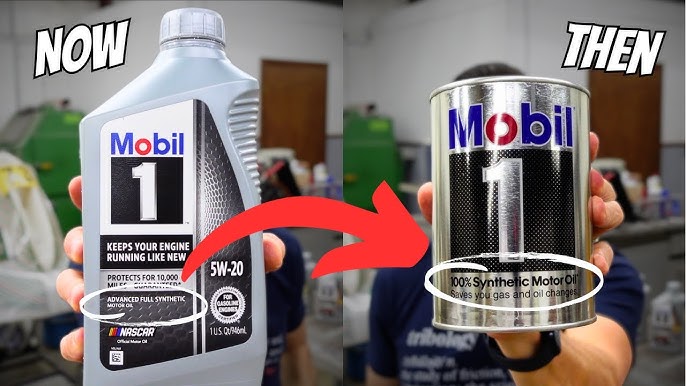
The main difference between Mobil and Mobil 1 is the type and performance level of the motor oil. Mobil typically refers to the brand’s conventional or synthetic blend motor oils designed for standard engine protection and everyday driving. In contrast, Mobil 1 is the company’s full synthetic motor oil line, engineered for higher performance, better temperature resistance, and longer oil change intervals. Because of its advanced synthetic formula, Mobil 1 generally provides improved engine protection and efficiency compared to regular Mobil oils. Mobil is the brand; Mobil 1 is its premium full synthetic line.
If you have asked what is the difference between Mobil and Mobil 1, you are not alone. I have tested both for years in daily drivers, tow rigs, and turbo cars. In this guide, I will explain what is the difference between Mobil and Mobil 1 in clear steps, with real use cases, specs, and simple tips. You will leave knowing exactly which oil fits your car, your climate, and your budget.
What each name really means
Mobil is the umbrella brand. It covers many products. That includes engine oils, gear oils, ATF, and greases. Under that brand, you will see lines like Mobil Super, Mobil 1, and Mobil Delvac.
Mobil Super is the mainstream line. It includes conventional oils, blends, and some synthetics. It meets core specs for most cars.
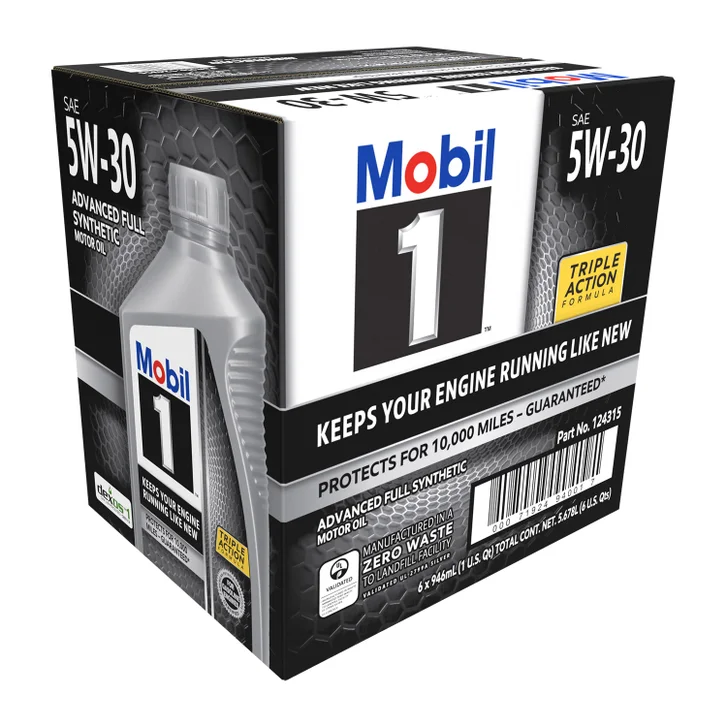
Mobil 1 is the flagship line. It is full synthetic. It is built for stronger protection, cleaner engines, and longer life. Many bottles also carry extra OEM approvals.
This is the core answer to what is the difference between Mobil and Mobil 1. Mobil is the brand family, while Mobil 1 is the top full synthetic motor oil line within that family.
/product/19/829738/1.jpg?7695)
Key differences at a glance
- Base oil type. Mobil Super uses conventional, synthetic blend, or Group III synthetic. Mobil 1 uses higher grade synthetic base oils and advanced additives.
- Protection level. Mobil 1 offers better high-temperature stability, cold start flow, and deposit control.
- Approvals. Mobil 1 often carries more OEM approvals like dexos1 Gen 3, BMW LL-01, MB 229.5, or Porsche A40, depending on the grade.
- Oil change interval. Mobil 1 Extended Performance lines are designed for longer drain intervals. Always follow your owner’s manual.
- Price. Mobil 1 usually costs more. You pay for added performance and approvals.
- Use case fit. Mobil Super works well for normal service. Mobil 1 shines in turbo, direct injection, towing, hot or cold climates, and longer drains.
If your search is what is the difference between Mobil and Mobil 1, the table above is the short answer. The next sections add depth, so you can buy with confidence.
Mobil 1 Extended Performance 0W-20 Review — Real Engine Tests, Oil Life | Worth It?
Technical breakdown: base oils, additives, and certifications
Base oils set the stage. Additives do the fine work.
- Base oils. Mobil Super may use conventional or Group III synthetic. Mobil 1 blends high quality synthetic base oils, such as Group III and PAO, for strong stability and flow.
- Additive packs. Mobil 1 uses robust detergents, dispersants, anti-wear agents, and antioxidants. This helps fight varnish, sludge, and wear over long miles.
- Cold flow. Mobil 1 often shows lower CCS/MRV values. That means faster oil flow at cold start. Less wear on start-up.
- Heat resistance. Mobil 1 tends to have lower NOACK volatility and stronger oxidation control. This helps reduce oil burn-off and deposits in hot engines and turbochargers.
- Wear control. Robust ZDDP and friction modifiers improve film strength.
- Certifications. You will see API SP, ILSAC GF-6A/GF-6B, ACEA specs, and many OEMs. Mobil 1 often carries more tough OEM approvals per grade.
From an engineering view, what is the difference between Mobil and Mobil 1 comes down to higher quality base stocks and stronger additive systems in Mobil 1. That is why it lasts longer and protects better under stress.
Real-world performance: where it shows up
I have run Mobil Super in a commuter sedan. It worked fine for normal drives and 5,000–7,500 mile oil changes.
I also run Mobil 1 in a small turbo SUV. It starts smooth at 10°F. It holds grade on summer road trips with a roof box. Oil tests showed low wear metals and steady viscosity.
You will feel the gap in these cases:
- Cold starts. Mobil 1 cranks faster and quiets lifter noise sooner.
- Stop-and-go heat. Mobil 1 keeps varnish and sludge at bay.
- Turbos and GDI engines. Mobil 1 helps resist coking in turbo bearings and can reduce LSPI risk where the spec calls for it.
- Towing and high load. Mobil 1 keeps viscosity stable and films strong.
If you wonder what is the difference between Mobil and Mobil 1 in daily life, this is it: smoother starts, cleaner parts, and steadier protection when it gets tough.
Which one should you choose?
Use your owner’s manual first. Then match your use case.
Choose Mobil Super if:
- You drive mostly short trips and normal speeds.
- You follow standard oil change intervals.
- Your car has simple needs and no turbo.
Choose Mobil 1 if:
- You have a turbo or direct-injection gas engine.
- You face very hot or very cold weather.
- You tow or drive hard.
- You want longer oil change intervals within spec.
- You need specific OEM approvals printed on the label.
Quick PAA-style answers:
- Is Mobil 1 worth it for a new turbo car? Yes. It handles heat better and protects turbo parts.
- Can I switch from Mobil Super to Mobil 1 mid-life? Yes. If the grade and specs match, switching is safe.
- Will Mobil 1 boost mpg? Small gains are possible from lower friction, but it varies.
This section is the simple path to decide, and it nails what is the difference between Mobil and Mobil 1 for real buyers.
Myths and facts
- Myth: Full synthetic always means PAO. Fact: In the US, Group III and PAO both qualify as full synthetic. Mobil 1 uses advanced blends to meet strict specs.
- Myth: Synthetic causes leaks. Fact: It does not create leaks. It can clean seals and expose old seal issues, but it also contains seal conditioners in some variants.
- Myth: Any 5W-30 is the same. Fact: Not true. Additives, base oils, and approvals vary a lot.
When you ask what is the difference between Mobil and Mobil 1, remember that approval lists, oxidation control, and volatility are big levers. That is why two oils with the same grade can perform very differently.
How to read the label like a pro
Look at three things on the front and back of the bottle:
- Viscosity grade. Match your manual, like 0W-20 or 5W-30.
- Specifications. API SP, ILSAC GF-6, ACEA ratings.
- OEM approvals. dexos1 Gen 3, BMW, Mercedes-Benz, Porsche, VW, or others.
Tips from the shop floor:
- If your owner’s manual calls for dexos1 Gen 3, choose a Mobil 1 that lists it. Not all Mobil Super bottles will.
- If you track your car or tow, pick Mobil 1 with higher HTHS or an approval known for high shear stability.
- If you run high mileage, look at Mobil 1 High Mileage. It includes seal conditioners and extra detergents.
These steps make what is the difference between Mobil and Mobil 1 clear at a glance, right there on the label.
can you mix mobil 1 with extended performance– Risks, Benefits & Best Practice
Cost, intervals, and warranties
Price varies by region and store. Mobil 1 often costs more per quart. Sales can narrow the gap.
Intervals depend on your manual, driving style, and product line:
- Mobil Super conventional or blend. Often 5,000–7,500 miles, as advised by the OEM.
- Mobil Super Synthetic. Often 7,500–10,000 miles, check label and OEM.
- Mobil 1 lines. Designed for extended protection, with some lines labeled for up to longer intervals. Always confirm the exact claim on your bottle and follow your service indicator.
About warranties:
- Read the bottle and the manufacturer’s policy. Keep receipts.
- Follow OEM service intervals for warranty protection.
If you need a quick rule for what is the difference between Mobil and Mobil 1 here: Mobil 1 supports longer protection windows with stronger additives, but your car’s manual still sets the limits.
Special cases: high mileage, hybrids, diesels, and racing
High mileage gas engines:
- Mobil 1 High Mileage helps clean deposits and condition seals.
- Mobil Super High Mileage is a value option for older engines with slower leaks.
Hybrids:
- Many hybrids use thin oils like 0W-16 or 0W-20. Mobil 1 offers these with strong cold-flow and deposit control for many stop-start cycles.
Diesels:
- For light-duty diesels that need CK-4 or FA-4, look at Mobil Delvac. That is a separate family tuned for diesel needs.
Track days and spirited use:
- Mobil 1 with suitable approvals or higher HTHS can handle heat better.
- Always match viscosity to the engine spec and climate.
These edge cases show what is the difference between Mobil and Mobil 1 when engines run in tough, real-world ways.
A mechanic’s take: lessons learned and mistakes to avoid
From my service bay:
- The biggest mistake is ignoring approvals. Grade alone is not enough. Check the back label.
- Skipping oil changes ruins even great synthetic oil. Follow the oil life monitor or the time limit.
- Mixing brands in a pinch is safe if specs match, but pick one product and stick with it.
- For short cold trips, Mobil 1 helps a lot. Faster flow means less start-up wear.
- For older cars that sip oil, check your level monthly. Top off with the same product.
This is the human side of what is the difference between Mobil and Mobil 1. It is not hype. It is what keeps engines clean and quiet for years.
Frequently Asked Questions of what is the difference between mobil and mobil 1
Is Mobil 1 always better than Mobil Super?
Mobil 1 gives stronger protection in heat, cold, and stress. Mobil Super can be perfect for normal driving and shorter intervals if it meets your OEM spec.
Can I switch from Mobil Super to Mobil 1 without flushing?
Yes. If the viscosity and specs match, you can switch on your next oil change. No special flush is needed for a healthy engine.
Does Mobil 1 last longer between oil changes?
Many Mobil 1 lines are designed for longer protection windows. Always follow your service indicator and the specific guidance on the bottle.
Will Mobil 1 improve fuel economy?
Some grades can reduce friction and may help a bit. Results vary by engine, climate, and driving style.
Which one is better for turbo engines?
Mobil 1 is the safer bet for turbos thanks to heat stability and lower volatility. Look for the right approvals and viscosity your OEM calls for.
Is Mobil 1 safe for high mileage engines?
Yes, and Mobil 1 High Mileage is tailored for older engines. It helps reduce deposits and conditions seals.
What is the difference between Mobil and Mobil 1 for warranties?
Mobil 1 often carries more OEM approvals tied to warranties. But you must still follow the oil change intervals in your owner’s manual.
Can I mix Mobil Super and Mobil 1?
If the specs and grades match, mixing small amounts is fine. For best performance, use one product line consistently.
Conclusion
Mobil is the broad brand, and Mobil 1 is its premium full synthetic line. That simple fact explains why Mobil 1 often flows better in the cold, runs cleaner in the heat, and carries more tough OEM approvals. The right pick depends on your manual, your climate, and how you drive.
Make your move today. Check your owner’s manual, read the back label, and choose the oil that fits your life. If this helped, share it, subscribe for more simple car care tips, or drop your question in the comments.