
As a mechanic with years of hands-on experience, I get asked this question a lot: Why do GDI engines burn oil? Many car owners are surprised when their newer, fuel-efficient engine starts needing top-ups between oil changes. It’s not just your car—this is a known issue with Gasoline Direct Injection (GDI) engines. Let me walk you through the real reasons why GDI engines burn oil, what makes them different, and what you can do about it.
Why Do Gdi Engines Burn Oil?
GDI engines burn oil mainly because of high internal pressures, direct fuel injection design, and increased heat inside the engine. These factors make oil more likely to sneak past piston rings and valve seals, entering the combustion chamber where it burns along with fuel. Over time, this leads to increased oil consumption, even in engines that are otherwise healthy.
Now, let’s dig deeper into the main causes and effects.
Tested 8 Best Oil for GDI Engines (2026): Prevent LSPI & Carbon Buildup
How Gdi Engine Design Causes Oil Burning
GDI engines work differently from older fuel injection systems. Instead of spraying fuel into the intake manifold, GDI injects fuel directly into the combustion chamber at very high pressure. This means:
- Higher pressure inside cylinders puts more strain on piston rings and seals.
- Hotter combustion temperatures break down oil faster.
- Less fuel washing over intake valves leaves them dry, so oil that leaks past valve seals is more likely to burn.
This combination is why GDI engines are more prone to burning oil compared to traditional engines.
Main Reasons Gdi Engines Burn Oil
Let’s break down the core reasons, based on what I see in the shop and what’s confirmed by industry studies.
1. High Combustion Pressure And Temperature
GDI engines are tuned for power and efficiency. To get this, they run at higher pressures and temperatures. While this boosts performance, it also pushes oil past the piston rings and valve seals, especially as the engine ages. Even a tiny gap can let oil into the combustion chamber.
2. Piston Ring Design And Blow-by
Many GDI engines use low-tension piston rings to reduce friction and improve fuel economy. The downside is these rings don’t always seal perfectly. The gap lets pressurized gases—and oil—move past the rings, a process called blow-by. Over time, carbon builds up on rings, making the problem worse.
3. Direct Injection And Valve Deposit Build-up
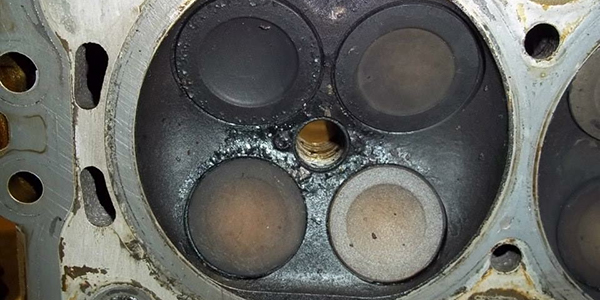
In older engines, fuel washes over intake valves, cleaning them. GDI engines skip this step, so oil vapors and PCV (Positive Crankcase Ventilation) gases can build up sticky carbon deposits. These deposits act like sandpaper, wearing out valve seals faster and creating more paths for oil to enter the combustion chamber.
4. Turbocharging And Forced Induction
Many GDI engines are turbocharged for extra power. Turbos increase pressure and heat, which can push even more oil past seals. They also create vacuum conditions that can suck oil through any weak spot in the system.
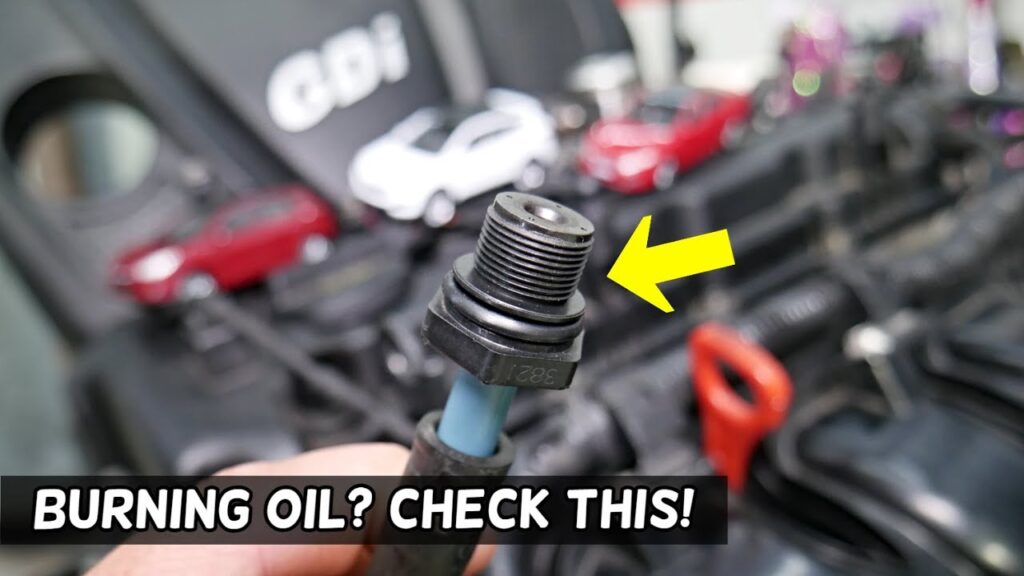
5. Pcv System And Oil Mist
The PCV system in GDI engines can pull oil mist from the crankcase into the intake tract. In traditional engines, this mist is partly burned off or cleaned by the fuel spray, but in GDI setups, more of it reaches the combustion chamber, leading to higher oil consumption.
6. Thinner, Modern Engine Oils
Car makers now use low-viscosity oils (like 0W-20) to help with fuel economy. Thinner oils flow easily, but also leak past seals and rings more readily. GDI engines depend on this oil for cooling and lubrication, but it also means more oil gets burned.
7. Extended Oil Change Intervals
Many drivers follow the manufacturer’s long oil change intervals, sometimes up to 15,000 km or more. Over time, oil degrades and loses its ability to seal and lubricate. In GDI engines, degraded oil is more likely to burn.
How Gdi Oil Burning Compares To Other Engines
Here’s how GDI engines stack up against port-injected and carbureted engines when it comes to oil burning.
| Engine Type | Oil Burning Tendency | Main Causes |
|---|---|---|
| GDI | High | High pressure, direct injection, thin oil, PCV mist |
| Port Injection | Medium | Valve seal leaks, older design |
| Carbureted | Low/Medium | Piston rings, valve guides |
As you can see, GDI engines are at the top for oil burning risk.
What Happens When Gdi Engines Burn Oil?
Burning oil in a GDI engine doesn’t just mean adding a little oil now and then. It can cause several problems:
- Increased emissions: Burning oil creates more smoke and pollutants, which can make your car fail emissions tests.
- Carbon buildup: Oil burning leaves carbon deposits on pistons, valves, and spark plugs. This hurts performance and fuel economy.
- Catalytic converter damage: Oil ash can clog and damage the catalytic converter, an expensive fix.
- Engine wear: Less oil means less lubrication, leading to faster engine wear and possible failure if ignored.
Signs Your Gdi Engine Is Burning Oil
How do you know if your GDI engine is burning oil? Here’s what to watch for:
- Low oil level between changes, even without visible leaks.
- Blue smoke from the exhaust, especially on startup or hard acceleration.
- Check engine light related to misfires or emissions.
- Rough idle or loss of power due to dirty intake valves or spark plugs.
- Fouled spark plugs with oily or carbon-coated tips.
If you notice these symptoms, check your oil level regularly and talk to your mechanic.
How Much Oil Burning Is Normal In Gdi Engines?
It’s common for modern GDI engines to use up to 1 quart (about 1 liter) of oil every 1,500–2,500 km, especially after 80,000 km of use. Some manufacturers, like BMW and Audi, even state that this is “normal” for their engines.
Here’s a comparison of oil consumption rates:
| Mileage | Acceptable Oil Consumption | Concerning Oil Consumption |
|---|---|---|
| Under 50,000 km | <0.5 L/2,000 km | >1 L/2,000 km |
| 50,000–100,000 km | <1 L/2,000 km | >1.5 L/2,000 km |
| Over 100,000 km | <1.5 L/2,000 km | >2 L/2,000 km |
Best Fuel Injector Cleaner For GDI Engines: This Cleaner Fixed It Instantly
Common Gdi Engine Models Known For Oil Burning
Some GDI engines are more likely to burn oil. Based on what I see in the workshop, these are the models most often affected:
- Hyundai/Kia 2.4L GDI
- Audi/VW 2.0T TSI
- BMW N20/N54/N55
- Mazda Skyactiv-G
- Ford EcoBoost 1.6/2.0T
- Chevrolet 2.4L Ecotec
If you own one of these, be extra careful with oil checks.
How To Reduce Oil Burning In Your Gdi Engine
There’s no magic fix, but you can slow oil consumption and protect your engine.
1. Use High-quality Oil
Stick to manufacturer-approved oil with the right viscosity. Consider oils labeled “Low SAPS” or “for GDI/turbo engines,” as they leave less ash behind.
2. Change Oil Frequently
Don’t wait for the dashboard reminder. Change your oil every 5,000–7,000 km or at least twice a year, whichever comes first. This keeps seals flexible and reduces carbon buildup.
3. Install An Oil Catch Can
An oil catch can collects oil mist from the PCV system before it reaches the intake. This is a popular mod for GDI engines and can reduce valve deposits.
4. Use Top-tier Fuel
High-quality fuel with detergents helps keep the combustion chamber cleaner and slows buildup. Avoid cheap, no-name gas stations.
5. Drive Regularly At Highway Speeds
Short trips are tough on GDI engines. Longer drives at steady speed help the engine reach full temperature and burn off deposits.
6. Perform Engine Decarbonization
If deposits are severe, ask your mechanic about walnut blasting or chemical decarbonization to clean intake valves.
7. Monitor Oil Level
Check your oil every 1,000 km and top up as needed. Never let it run low—this is the fastest way to wreck a GDI engine.
Advanced Insights Most Owners Miss
Many car owners focus only on the oil itself, but there are less obvious reasons oil burning gets worse over time.
- PCV valve failure: A sticky or failed PCV valve increases crankcase pressure and forces more oil past seals. Replacing the PCV valve is a cheap fix that’s often overlooked.
- Driving style: Aggressive driving, frequent short trips, and lots of idling make GDI oil consumption worse. Gentle acceleration and longer trips keep the engine cleaner.
- Software updates: Some manufacturers release ECU updates to adjust fuel injection timing, which can help reduce oil burning. Ask your dealer if any updates are available for your engine.
The Future Of Gdi Engines And Oil Burning
Car makers are aware of the problem and are working on solutions. Newer GDI engines use:
- Improved piston ring designs
- Dual injection systems (GDI plus port injection)
- Better PCV and crankcase ventilation
- Advanced engine oils
Still, as a mechanic, I recommend being proactive. Maintenance is key, and ignoring oil burning can lead to expensive repairs down the road.
If you want to learn more about the science behind oil burning and GDI technology, this Wikipedia page on GDI engines goes into great detail.
Frequently Asked Questions
Why Do Gdi Engines Burn More Oil Than Older Engines?
GDI engines burn more oil because of high pressure, direct injection design, and less fuel washing over valves. These factors let oil leak past piston rings and valve seals, especially as the engine ages.
Is Burning Oil In A Gdi Engine Always A Sign Of A Problem?
No. Some oil consumption is normal, especially in GDI engines with over 50,000 km. However, rapid oil loss or visible blue smoke usually means there’s an underlying issue that should be checked.
Will Using Thicker Oil Stop My Gdi Engine From Burning Oil?
Switching to thicker oil sometimes slows oil burning, but it’s not a cure. Thicker oil may reduce leaks, but it can also hurt fuel economy and cold start performance. Always follow the manufacturer’s recommendations.
Can I Fix Gdi Oil Burning Myself?
You can reduce oil burning by changing oil often, using high-quality fuel, and installing an oil catch can. For severe cases, you’ll need a mechanic to clean intake valves or replace worn parts.
How Often Should I Check Oil In A Gdi Engine?
Check your oil at least every 1,000 km. GDI engines can burn oil quickly, so regular checks prevent low oil levels and engine damage.
Taking care of your GDI engine isn’t hard, but it does need more attention than older designs. By understanding why these engines burn oil—and taking action—you can keep your car running smoothly for years to come.
