
When your oil pressure light comes on as the engine heats up, it usually means the oil pressure has dropped below a safe level, often because the oil is thinning from heat, the oil level is low, the oil pump is worn, or there are deeper engine problems.
This warning should never be ignored, as driving with low oil pressure can quickly damage your engine.
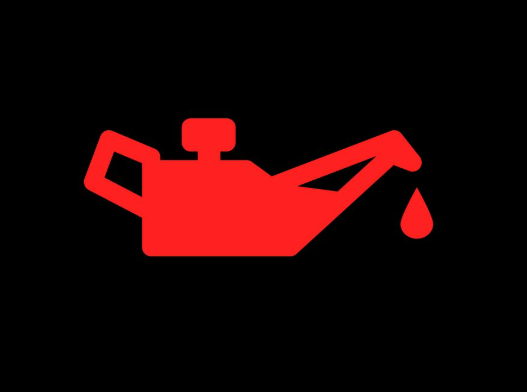
What Causes Oil Pressure Lights To Come On When The Engine Gets Hot?
The most common reason the oil pressure warning light appears as the engine warms is that oil thins with heat, making it harder to keep up pressure—especially if the oil is old, too thin for your engine, or there are mechanical faults. Here’s a breakdown of why this happens:
1. Oil Thins As It Heats
Engine oil is designed to lubricate moving parts and maintain a certain thickness, or viscosity. When the engine is cold, oil is thicker. As the temperature climbs, oil becomes thinner and flows more easily. If the oil is too thin (from age, breakdown, or using the wrong type), it can’t build enough pressure. The oil pressure sensor detects this and triggers the warning light.
Example: If you use a 5W-20 oil in an engine that needs 10W-40, the thinner oil can’t maintain pressure when hot.
2. Low Oil Level
A low oil level means less oil is circulating through the engine. With less oil, the pump struggles to maintain pressure—especially as oil heats up and thins out even more. Hot weather or long drives can make this worse, as oil gets even hotter and thinner, dropping the pressure further.
3. Worn Oil Pump
The oil pump is the heart of your car’s lubrication system. If the pump is worn or failing, it can’t push oil through the engine at the right pressure, especially when the oil is warm and thin.
4. Engine Wear And Internal Leaks
Engines have tight spaces where oil flows. Over time, these areas can wear out, causing internal leaks. This lets oil escape more easily, so pressure drops as the engine heats up and clearances get larger.
5. Faulty Oil Pressure Sensor
Sometimes, the problem is not with the oil or the engine, but with the oil pressure sensor itself. If this sensor malfunctions, it might send a false warning, especially when the system is under more stress (hot oil, high RPMs).
Why Is Oil Pressure So Important?
Oil pressure is what keeps oil moving through your engine to lubricate, cool, and clean all the moving parts. Without enough pressure, metal parts rub together, causing fast wear and even engine failure. When the warning light comes on, it’s telling you the engine is at risk.
Key functions of proper oil pressure:
- Prevents metal-to-metal contact
- Removes heat from moving parts
- Carries away tiny debris and carbon particles
Even a short time running with low oil pressure can cause damage that is expensive to fix or even require a new engine.
How To Check For The Real Cause
If your oil pressure light comes on when the engine is hot, it’s important to find the true cause. Here’s how you can start:
- Check oil level: Wait for the engine to cool, then use the dipstick to check oil level. If it’s low, top up with the correct type of oil.
- Look for leaks: Check under the car and around the engine for oil stains or drips.
- Listen for unusual noises: Tapping or knocking sounds often mean poor lubrication.
- Check oil condition: If the oil looks black, gritty, or smells burnt, it’s time to change it.
- Replace oil filter: A clogged filter can restrict oil flow and lower pressure.
- Test the oil pressure: Use a mechanical gauge to check if the oil pressure matches your car’s specifications.
If you’re not sure, have a mechanic inspect the car as soon as possible.
How Heat Changes Oil Pressure: The Science
Heat makes oil molecules move faster, so the oil becomes thinner (lower viscosity). Car engines are designed to run at a certain oil pressure. When oil gets too thin, it can’t build the needed pressure, and the warning light comes on.
Here’s how oil viscosity changes with temperature:
| Temperature (°C) | Oil Viscosity (cSt) | Typical Pressure (PSI) |
|---|---|---|
| 20 | 110 | 55 |
| 60 | 38 | 45 |
| 100 | 12 | 35 |
As the oil warms from 20°C to 100°C, its viscosity drops sharply, and so does the oil pressure.
Common Signs And Symptoms Of Low Oil Pressure
When oil pressure drops, you might notice more than just a warning light. These symptoms can help you catch problems early:
- Burning oil smell: Hot, thin oil may leak or burn on engine parts.
- Engine noise: Tapping, ticking, or knocking sounds mean metal parts are touching.
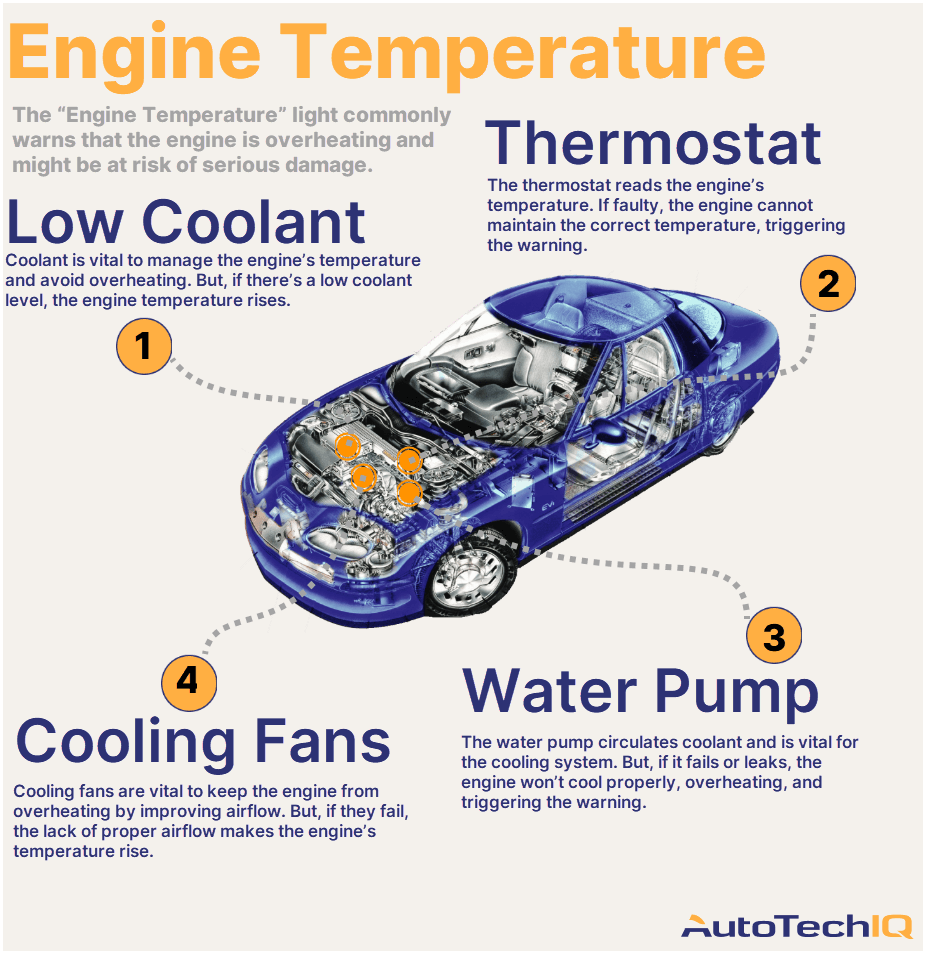
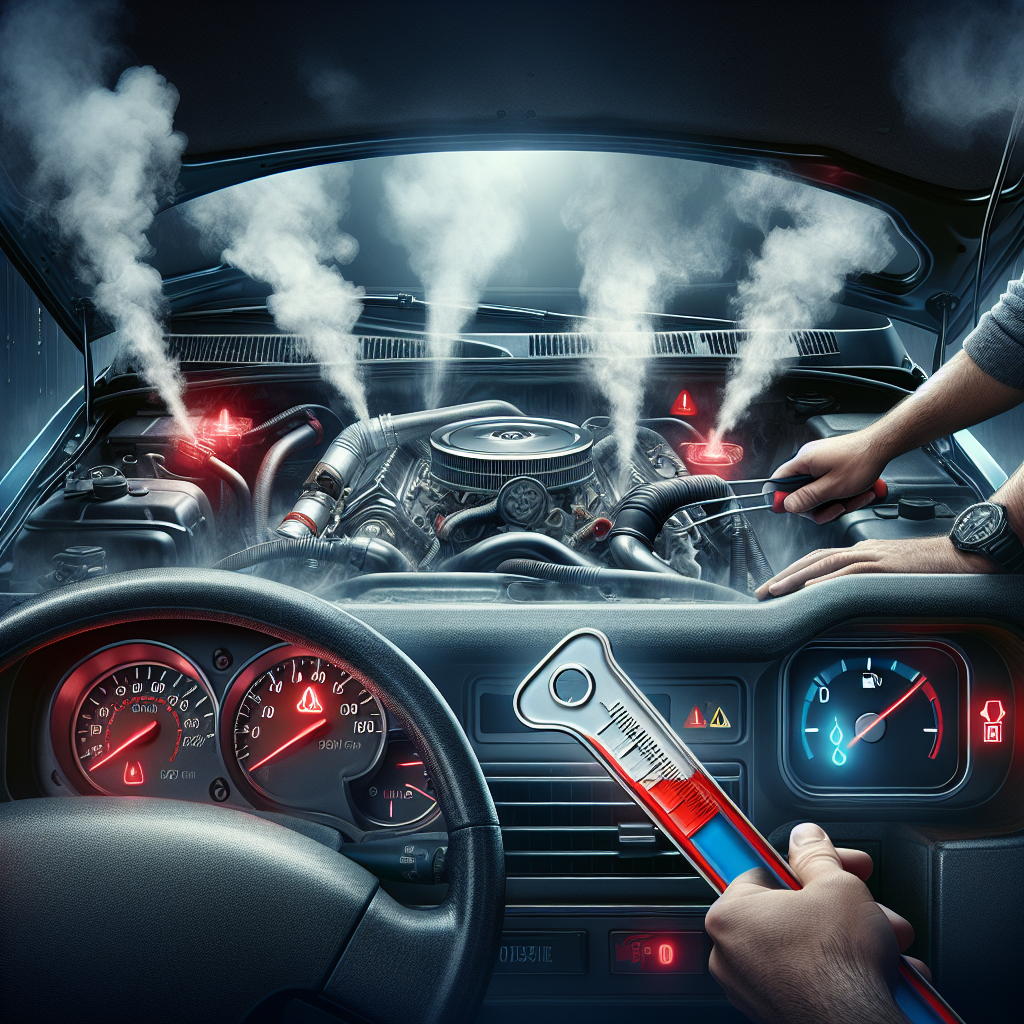
- Overheating: Poor lubrication causes friction and heat.
- Loss of power: Engine may feel sluggish or weak.
- Oil leaks: If oil is escaping, pressure drops.
Catching these signs early can save you from a costly repair.
The Impact Of Oil Type And Quality
Using the right oil is critical. Oils have two main numbers (like 10W-30). The first (10W) is how thick the oil is when cold. The second (30) is how thick when hot. If you use oil with a number too low for your climate or engine, it will get too thin when hot.
Synthetic oils often handle heat better and keep their viscosity longer. Cheap or old oil breaks down faster, losing the ability to keep pressure.
Comparison Of Oil Types For Hot Engines
| Oil Type | Heat Resistance | Pressure Stability | Lifespan (km) |
|---|---|---|---|
| Conventional | Fair | Medium | 5,000 |
| Synthetic Blend | Good | High | 7,500 |
| Full Synthetic | Excellent | Very High | 10,000+ |
Non-obvious tip: Not all synthetics are created equal—look for oils approved by your car’s manufacturer.
Why The Problem Gets Worse Over Time
Engines wear out slowly. As they age, clearances between parts get wider. More oil slips through these spaces, so the pump can’t keep up pressure, especially with thin, hot oil. If you ignore the warning light, the engine will keep wearing out faster, which makes the oil pressure problem worse.
Example: An older car might work fine when cold, but once hot, the oil pressure drops due to worn bearings.
Pro tip: For older engines, sometimes using oil with a higher viscosity (like 20W-50) can help maintain pressure, but always check your manual first.
how to clean engine block for head gasket: Why New Head Gaskets Fail
The Role Of The Oil Pump And Filter
The oil pump pulls oil from the pan and pushes it through the engine. If the pump is worn or clogged, it can’t do its job, especially when oil is thin.
A clogged oil filter also restricts flow. Modern engines have a bypass valve, but if the filter is blocked, dirty oil can circulate, causing damage and low pressure.
Oil Pump Vs. Oil Filter Problems
| Problem | Oil Pump | Oil Filter | Effect When Hot |
|---|---|---|---|
| Worn/Faulty | Poor pressure | Restricted flow | Light comes on |
| Bypass Open | Normal | Dirty oil circulates | Possible engine damage |
Regular filter changes are an easy way to prevent oil flow problems.
Credit: www.autotechiq.com
Can You Keep Driving When The Oil Pressure Light Is On?
It’s not safe to drive when the oil pressure light is on, especially if it comes on when hot. Your engine could seize in minutes if oil pressure is too low. If you see the light:
- Stop the car as soon as it’s safe.
- Check the oil level.
- Add oil if low, but if the light stays on, don’t drive—call for help.
Expert insight: Even if the car seems to run fine, you’re risking thousands in repairs by ignoring this warning.
How Mechanics Diagnose The Problem
A trained mechanic will do more than just check the oil:
- Visual inspection: Look for leaks and listen for noises.
- Oil pressure test: Use a manual gauge to read actual pressure at idle and high RPM.
- Check sensor wiring: Make sure the warning system isn’t faulty.
- Inspect oil quality and filter: Check for sludge, dirt, or a clogged filter.
- Engine wear check: In older engines, check for worn bearings or excessive clearances.
Non-obvious insight: Sometimes, mechanics find that the issue only happens at certain RPMs or temperatures, which helps pinpoint the problem.
Credit: thelandautorepair.com
Preventing Oil Pressure Problems
Most oil pressure issues can be prevented with basic care:
- Check oil regularly: At least once a month, and before long trips.
- Use the right oil: Follow the owner’s manual for viscosity and type.
- Change oil and filter: Every 5,000–10,000 km, or as the manufacturer recommends.
- Fix leaks early: Don’t ignore drips or stains under your car.
- Listen to your engine: Any new noise could be a sign of trouble.
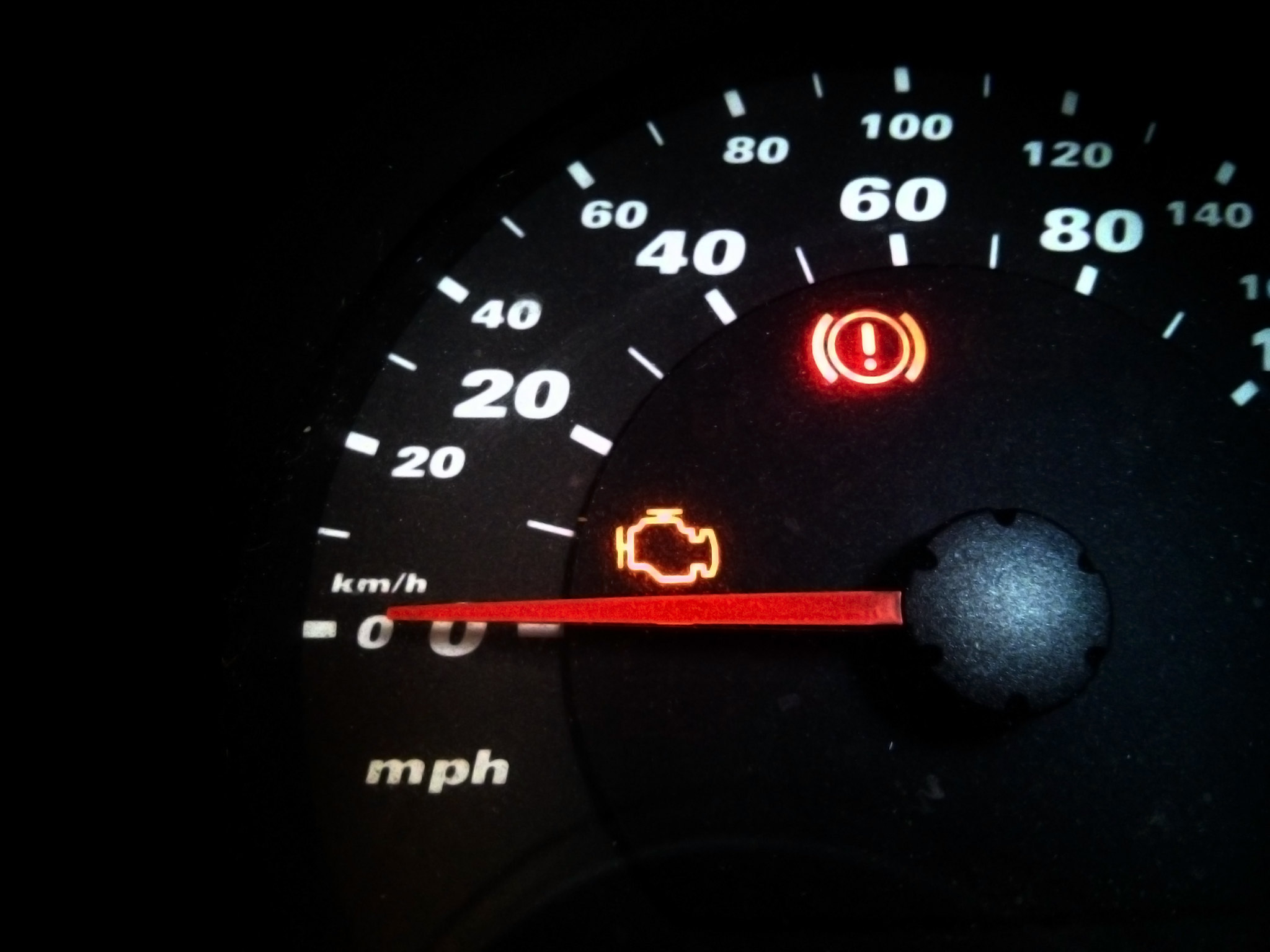
- Monitor the dashboard: Respond quickly to any warning light.
When To Get Professional Help
If you’ve checked the oil and filter, topped up oil, and the light still comes on when hot, it’s time to see a professional. Serious problems like a failing pump or worn engine parts need expert tools and knowledge.
Warning: DIY repairs on oil systems can cause more harm than good if you’re not experienced. It’s always better to pay for a correct diagnosis than risk engine failure.
Real-world Example: What Happens If You Ignore The Light
Consider a driver who noticed the oil pressure light only when stuck in traffic on hot days. At first, he added oil, and the light went off. Later, the light stayed on even with the right oil level. He kept driving, thinking it was a sensor fault.
Two weeks later, the engine seized—a repair bill of over $3,000.
Lesson: The oil pressure light is a serious warning. Ignoring it can destroy your engine.
The Role Of Technology: Modern Oil Pressure Monitoring
Newer cars use advanced sensors and even computer diagnostics to monitor oil pressure. Some systems warn you earlier, or even adjust engine performance to protect itself. However, no system can prevent damage if you ignore repeated warnings.
For more details on oil pressure sensors and how they work, you can visit Wikipedia.
Credit: www.allenturnerhyundai.com
Frequently Asked Questions
What Does It Mean If The Oil Pressure Light Only Comes On When The Engine Is Hot?
This usually means oil pressure drops as the oil thins out with heat. It can signal low oil level, worn engine parts, or a failing oil pump.
Can A Bad Oil Filter Cause The Oil Pressure Light To Come On?
Yes, a clogged or faulty oil filter can restrict oil flow, lowering pressure and triggering the warning light, especially when the oil is hot and thin.
Is It Safe To Drive With The Oil Pressure Light On?
No. Driving with the oil pressure light on can quickly cause engine damage. Stop the car, check the oil, and get help if needed.
How Can I Tell If My Oil Pressure Sensor Is Faulty?
If the warning light flickers, comes on at odd times, or stays on even after you’ve fixed known issues, the sensor or its wiring may be bad.
Should I Use Thicker Oil If My Car Is Old And The Oil Pressure Light Comes On When Hot?
Sometimes, using a higher viscosity oil can help in old engines with worn parts, but always check your owner’s manual first or ask a mechanic for advice.
When your oil pressure light comes on as the engine heats up, it’s a sign your engine needs urgent attention. Regular checks, using the right oil, and responding quickly to warnings can keep your engine safe for years. Don’t ignore the light—your car’s life depends on it.