
Yes, a blown head gasket can cause the check engine light to turn on because it disrupts normal engine operation. A failing head gasket may lead to coolant leaks, engine misfires, overheating, or improper air-fuel mixture, all of which can trigger engine fault codes. Common signs include white exhaust smoke, milky engine oil, loss of coolant, and rough running. If the check engine light appears along with these symptoms, immediate inspection is recommended to prevent severe engine damage.
Common Error Codes for a Head Gasket Failure
When you plug in an OBD2 scanner, you will likely see one of these specific “P-codes”:
- P0300 – P0304: Indicates engine misfires (caused by coolant leaking into the cylinders).
- P0128: Coolant thermostat issues (the engine isn’t reaching the right temperature).
- P0217: Engine over-temperature condition.
- P0420: Catalytic converter efficiency (burning coolant can “poison” your exhaust sensors).
Don’t Guess the Damage: Diagnostic Tools
Before you assume the worst (and most expensive) scenario, you need to know exactly which code your car is throwing. Professional mechanics use OBD2 scanners to communicate with the engine’s computer.
Our Top Recommendation Why It’s the Best for DIYers BlueDriver Bluetooth Pro OBD2 The Gold Standard. It doesn’t just give you a code; it provides a “frequently reported fix” list for your specific car model. MOTOPOWER MP69033 Best Budget Pick. A simple, wired plug-and-play tool to clear codes and see what’s wrong instantly. Steel City Head Gasket Tester The “Confirmation” Tool. A chemical test kit that turns color if combustion gases are in your coolant—proving the gasket is blown.
If you’ve ever wondered, will blown head gasket cause check engine light, you’re not alone. I’ve diagnosed this exact fear hundreds of times in real-world shops. In this guide, I’ll explain how and why it happens, what codes to expect, and how to confirm the fault before you spend big money on repairs. Stick with me to learn the smart way to protect your engine and your wallet.
What a blown head gasket actually does
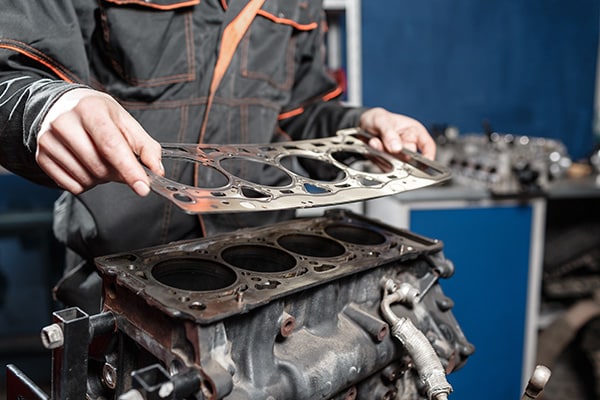
A head gasket sits between the engine block and the cylinder head. Its job is to keep compression, coolant, and oil in their own lanes. When it fails, those lanes cross.
Coolant can leak into the cylinders. Oil can get into coolant. Compression can drop. The engine runs rough, overheats, or both. That chaos can trip sensors and set fault codes that turn on the light.
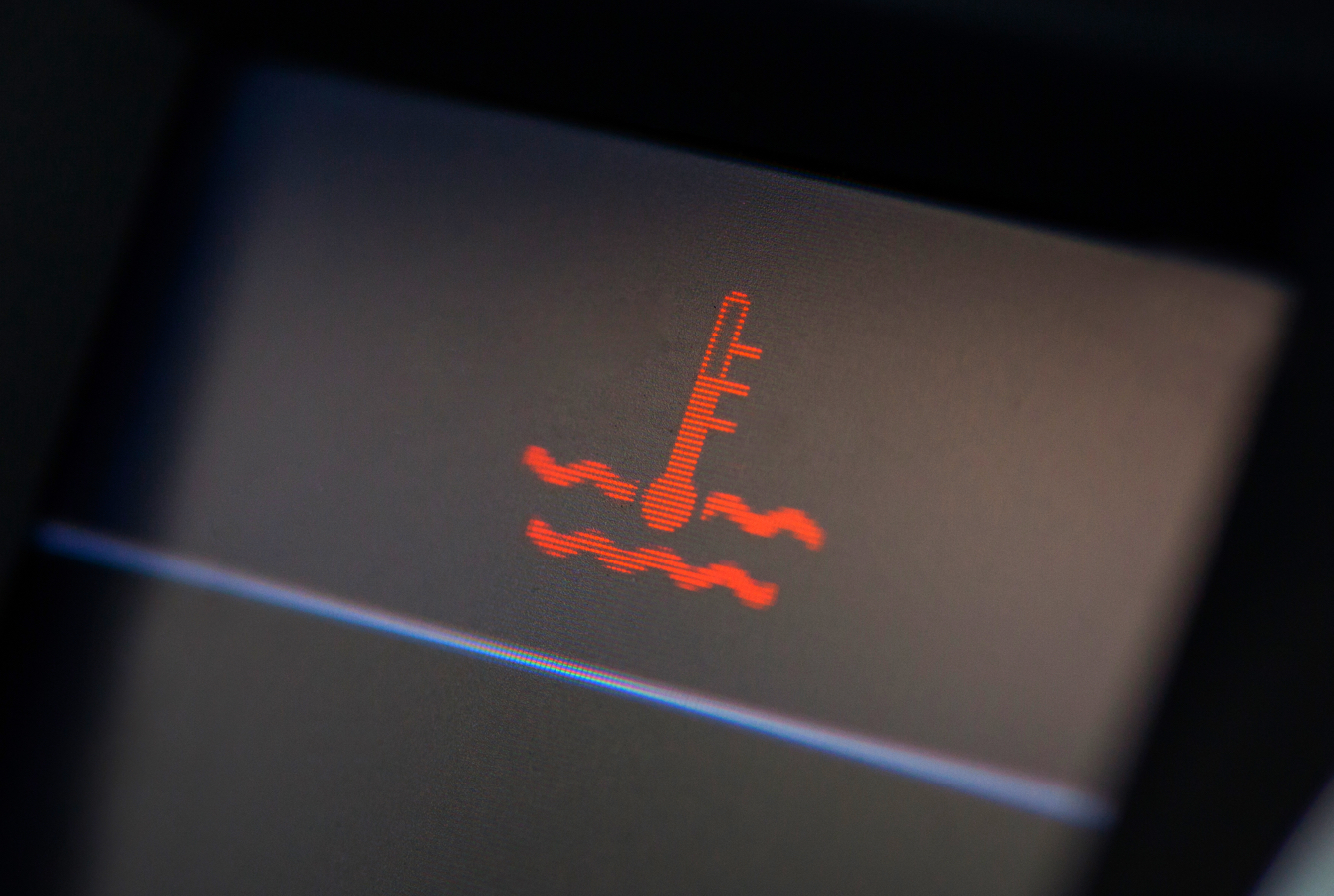
Will a blown head gasket set off the check engine light?
Many drivers ask, will blown head gasket cause check engine light? Yes, it often does, but not by a direct “gasket” code. The light comes on because the failure causes misfires, sensor errors, or poor combustion that the ECU can see.
Will blown head gasket cause check engine light every time? No. Some leaks are small or only show up when the engine is cold or hot. The ECU may not flag it at first, even though damage is building.

How your ECU spots head-gasket-related faults
Your engine control unit watches sensors. When a head gasket fails, those sensors report odd data. That data triggers OBD-II codes.
Common codes tied to a blown head gasket include:
- Misfire codes such as P0300 to P0304 when coolant fouls plugs.
- Oxygen sensor and fuel trim codes like P0171, P0172, or P2195 due to steam in exhaust.
- Coolant temp codes like P0117, P0118, or P0128 from erratic heat.
- Catalyst codes like P0420 if coolant harms the catalytic converter.
Will blown head gasket cause check engine light through these codes? Yes. The gasket leak creates the conditions. The ECU reacts to the bad burn, not the gasket itself.
Symptoms: blown head gasket versus other problems
You want to separate head gasket signs from look-alikes. That helps you avoid chasing the wrong fix.
Watch for these classic clues:
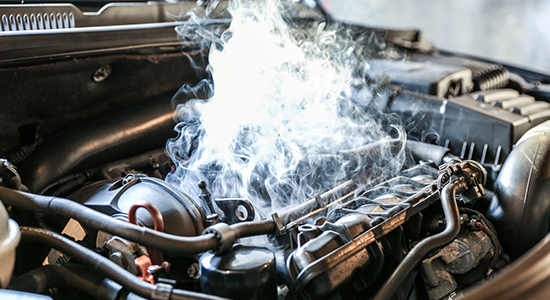
- White, sweet-smelling exhaust steam that lingers after warm-up.
- Unstable coolant level with no clear external leak.
- Bubbles in the coolant tank while the engine runs.
- Milky oil on the dipstick or under the oil cap.
- Hard cold starts, shaking idle, or repeated misfires.
But note the overlap. A clogged radiator, bad thermostat, or cracked hose can also cause heat and codes. That is why the question, will blown head gasket cause check engine light, needs proof, not guesswork.
How to diagnose at home and at the shop
You can do a smart first pass at home. If you can, log data with a scan tool and keep notes.
Start with simple checks:
- Check coolant level and look for oil in coolant or coolant in oil.
- Look for white smoke and note if it fades after warm-up.
- Squeeze the upper radiator hose when cold, then again after a short run. Sudden pressure can hint at a leak.
- Use an inexpensive block test kit. It sniffs for combustion gas in the coolant.
- Pull spark plugs. One clean, wet, or crusty white plug can mark the bad cylinder.
Shop-level tests go deeper:
- Cooling system pressure test to find drops with the engine off.
- Compression test across all cylinders.
- Leak-down test to confirm air bubbling in the coolant neck.
- Exhaust gas analyzer at the coolant neck for CO.
Will blown head gasket cause check engine light if these tests show a leak? Very likely. Once you confirm the leak, the light makes sense and the codes line up with the failure.

Can you keep driving? Repair paths, costs, and risks
Here’s the straight talk from years on the service desk. You can limp a short distance, but each hot run raises the bill. Coolant in cylinders can bend rods. Overheat once and you may warp the head.
Your main options:
- Replace the head gasket. Machine the head if warped. Replace bolts and seals.
- Replace the engine if damage is severe or the car has high miles.
- Try a sealant as a short-term patch only. It can clog radiators and is not a real fix.
Typical costs vary by engine layout and vehicle. Labor hours swing a lot on V engines and timing-chain setups. A proper repair includes fresh coolant, new thermostat, oil change, and a careful warm-up cycle. Will blown head gasket cause check engine light again after a good repair? It should not, as long as cooling and ignition are healthy.

Prevention tips to avoid head gasket failure
Most head gaskets fail after heat cycles and stress. You can lower the risk with basic care.
Do these simple things:
- Keep coolant fresh and mixed to spec.
- Replace the radiator cap if it can’t hold pressure.
- Fix small leaks early, before overheat events.
- Watch the temp gauge on grades and hot days.
- Use factory torque specs and patterns when any head work is done.
Will blown head gasket cause check engine light if you keep up with cooling care? It is far less likely, because stable temps protect both the gasket and the sensors that feed the ECU.
Real-world lessons from the bay
I once saw a sedan come in with a rough idle and a flashing light. The driver asked, will blown head gasket cause check engine light, or is it just a coil? The scan showed P0302, with coolant loss and steam on startup. A leak-down test bubbled the tank. The gasket was the root cause, not the coil.
Another case was a crossover with only P0420 and no misfire codes. The owner had topped off coolant for weeks. A block test turned positive. Coolant had slowly poisoned the cat. Fixing the gasket and the cat cleared the light for good.
What the codes are really telling you
Think of the ECU as a referee, not a detective. It calls a foul when the play looks wrong. Misfire? It throws P0300-P030X. Cold too long? It throws P0128. None of these say “head gasket,” yet the pattern points there.
When multiple systems disagree at once, step back and look at the shared cause. Overheating and coolant loss unify many odd codes. That is why asking will blown head gasket cause check engine light is wise. The answer lives in the pattern, not a single code.
Frequently Asked Questions of will blown head gasket cause check engine light
Will blown head gasket cause check engine light right away?
Not always. Small leaks may not trigger a code until the ECU sees repeated misfires or temp swings.
What codes most often show up with a head gasket leak?
You’ll often see misfire codes like P0300-P0304, coolant temp codes like P0117 or P0128, and sometimes P0420. Fuel trim codes can also appear due to steam in the exhaust.
Can low coolant alone turn on the light without a blown gasket?
Yes. Low coolant can confuse sensors and cause lean or temp codes. Always rule out simple leaks before assuming a gasket failure.
Is white smoke always a sign of a blown head gasket?
No. On cold days, normal condensation looks like white steam. True gasket smoke has a sweet smell and often lingers after warm-up.
Will a chemical sealant fix a blown head gasket?
It may stop a small leak for a short time. It is not a lasting repair and can clog the radiator or heater core.
Conclusion
A blown head gasket can and often does set the check engine light, but through side effects that the ECU can see, not a direct gasket code. Read the pattern of symptoms, confirm with simple tests, and act fast to prevent costly damage. If you’ve asked yourself, will blown head gasket cause check engine light, you now know how to get a clear, confident answer.
Take the next step. Scan the car, check fluids, and plan a test. If the signs point to a leak, talk with a trusted shop about the best fix. Want more guides like this? Subscribe, share your story, or drop a question in the comments.