
The best additive to stop engine from burning oil is Bar’s Leaks OS-1 Oil Seal.
You notice the dipstick dropping between fill-ups. There’s that blue puff on cold starts. Maybe a faint oil smell after parking. I’ve been there many times, on my own cars and in clients’ garages. The right oil additive can slow oil burn, thicken the film, and condition hardened seals without a teardown. In this guide, I break down what actually works in 2026, the differences between seal conditioners and high-Zn protection, and how to pick the best additive to stop engine from burning oil for your specific symptoms, budget, and mileage. I’ll also share real tips so you don’t waste a quart or a weekend.
Precision Engine Care: Stop Leaks & Performance Additives
Advanced Solutions for Seal Restoration, High-Mileage Wear, and Critical Break-In
| Product Image | Brand & Formula | Primary Benefit | Expert Utility | Check Price |
| 🔧 | Bar’s Leaks OS-1 (16.9 oz) | Severe Seal Repair | Professional Grade Stops Rear Main Leaks | Check Price |
| 🚀 | XADO Atomex (250 ml) | Gasket Restoration | Ester-Based Deep Conditioners | Check Price |
| 🛡️ | Lucas Oil 11100 (1 Quart) | Stop Leak & Burn | Viscosity Boost Quietens Engine Noise | Check Price |
| ⚙️ | Bardahl 21208 (12 oz) | Friction Reduction | Polar Attraction Anti-Wear Protection | Check Price |
| 💎 | Lucas Break-In (16 oz) | New Engine Setup | High Zinc (ZDDP) Protects Camshafts | Check Price |
Bar’s Leaks OS-1 Oil Seal Repair (16.9 oz)
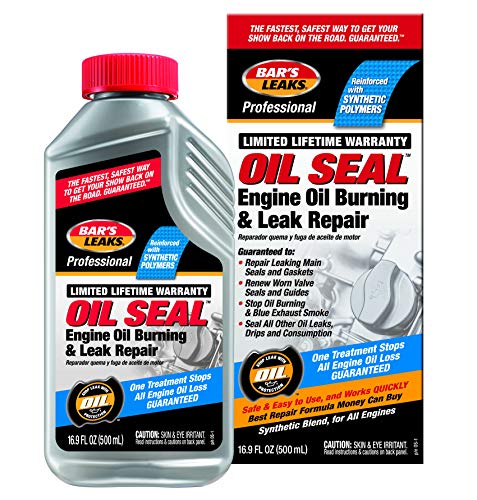
When a high-mileage engine starts to gulp oil, I reach for Bar’s Leaks OS-1 first. It’s designed to condition and re-swell dried, shrunken, or hardened seals, especially the rear main and cam seals that often cause both leaks and oil burn. The formula is solvent-free, which matters if you want to avoid thinning your oil or risking gasket damage. In many cases, I’ve seen OS-1 cut consumption by half within 300–500 miles, and it often tames that cold-start puff.
Results vary by engine health, but OS-1 shines when valve stem seals and minor crank seals are the culprits. It works with conventional, synthetic blend, and full synthetic oils across a wide temperature range. I also like that one bottle treats up to 5 quarts, which covers the bulk of compact and mid-size engines. If you’re hunting the best additive to stop engine from burning oil without tearing down the top end, this is a smart, affordable first step.
Pros:
- Targets seal-related oil burning with robust conditioners
- Solvent-free formula won’t thin oil or harm gaskets
- Works with all oil types and most viscosities
- Noticeable results often within the first 300–500 miles
- Helps reduce blue smoke on cold starts
- One bottle treats up to 5 quarts for easy dosing
Cons:
- Will not fix stuck oil rings or mechanical wear
- Severe leaks may need more than one treatment
- Not a substitute for degraded valve stem seals beyond recovery
My Recommendation
If your oil use points to dried seals and light weeping, Bar’s Leaks OS-1 is often the best additive to stop engine from burning oil in a daily driver. I’d use it on older Toyotas, Hondas, Subarus, and domestics that show blue smoke after sitting overnight. It’s also great for small rear main seeps that leave a few spots on the driveway and add to oil loss over time. Keep expectations real: it cannot restore broken seals or fix scored cylinders, but it can meaningfully slow oil loss and extend service intervals for many engines in fair health.
| Best for | Why |
|---|---|
| Seal-related oil burning | Potent conditioners re-swell dried valve and crank seals |
| High-mileage daily drivers | Fast, affordable results without changing oil viscosity |
| Cold-start blue smoke | Helps cut seepage past valve stem seals after sitting |
XADO Atomex Stop Leak & Seal Restore (250 ml)

XADO Atomex focuses on restoring flexibility to seals and gaskets and does it with an ester-rich blend that plays well with modern synthetic oils. In cars that log a lot of highway miles, I’ve seen Atomex stabilize consumption after one oil cycle, especially when leaks are mild. It’s also a go-to in Euro engines that prefer mid-SAPS synthetics, since it does not upset detergent and dispersant balance. Many buyers use it as a rear main helper before trying heavier oil.
This is a smart choice if your engine leaks but does not show signs of ring wear or blow-by. I like that the dosing is easy across 4–7 quart systems. It works on both petrol and diesel engines, which is handy if you own a diesel commuter or small van. If you’re comparing options for the best additive to stop engine from burning oil that also respects modern oil chemistry, Atomex is worth a close look.
Pros:
- Ester-based seal conditioners suit synthetic oils
- Good for rear main and cam seal weeps
- Compatible with gas and diesel engines
- Gentle on emission system catalysts and DPFs
- Predictable dosing for common sump sizes
- Can stabilize consumption over one oil interval
Cons:
- Less effective on severe leaks or hardened seals beyond recovery
- Not designed to free stuck oil rings
- Results may be slower than heavy thickeners
My Recommendation
Pick XADO Atomex if you run modern synthetics and want a seal restorer that plays nice with long-drain formulas. It is among the best additive to stop engine from burning oil for high-mileage German and Japanese engines that show minor seal seepage but still have good compression and no major blow-by. I also recommend it when you prefer not to step up in viscosity. It’s a clean, measured approach that fits owners who maintain records and think long term.
| Best for | Why |
|---|---|
| Modern synthetics | Ester conditioners blend well with full synthetic oils |
| Minor rear main seeps | Targets seal elasticity with gentle chemistry |
| Gas and diesel daily drivers | Formulated for broad compatibility and stable performance |
Lucas Oil 11100 Engine Oil Stop Leak (1 Qt)

Lucas Oil 11100 is a heavy-duty seal conditioner and viscosity stabilizer. It thickens the oil slightly while softening seals, which can cut both burning and leaks. I recommend it when an engine is using a quart every 800–1,200 miles and you want an immediate buffer. The thicker film can help older bearings and quiet a light lifter tick at hot idle.
Because it is thicker than standard oil, it’s a better bet for engines that already run 5W-30 or 10W-30, not ultra-thin 0W-16 applications. I’ve had good results in older GM, Ford, and Chrysler V6/V8s that see towing or long highway runs. If you want the best additive to stop engine from burning oil and you don’t mind a small bump in viscosity, Lucas 11100 is a proven workhorse.
Pros:
- Thicker film helps reduce oil consumption fast
- Conditions seals without harsh solvents
- Can quiet light lifter tick and valve noise
- Useful in high-load and towing scenarios
- One-quart size matches many sump top-offs
- Good value for older domestic engines
Cons:
- Not ideal for engines designed for ultra-low viscosity
- May slightly reduce fuel economy
- Can mask deeper wear if used as a long-term crutch
My Recommendation
I like Lucas 11100 for older trucks, SUVs, and vans that see heat and load. It is one of the best additive to stop engine from burning oil when you want quick relief without waiting a full oil interval. If your owner’s manual allows a higher hot viscosity, this additive offers headroom. Use it if you want a thicker film and seal conditioning in one step, and keep an eye on level and exhaust smoke to confirm the trend is improving.
| Best for | Why |
|---|---|
| Older V6/V8 engines | Thicker film plus seal conditioning suits worn clearances |
| Towing and hot climates | Stabilizes oil at temperature and load |
| Quick consumption cuts | Viscosity boost often reduces oil use immediately |
Bardahl 21208 Engine Protection Additive (12 oz)

Bardahl 21208 leans on zinc/phosphorus (ZDDP) for wear protection and film strength. It’s not a classic “stop leak,” but it helps reduce consumption tied to light wear and hot oil shear. I’ve used it in older flat-tappet cam engines where modern low-Zn oils left the valvetrain sounding dry. The extra anti-wear package can keep metal surfaces protected and help oil maintain grip under load.
Use Bardahl when you want to protect a high-mileage engine and slow wear that feeds oil use. It pairs well with 10W-30 in older domestic motors where emissions hardware is minimal or well-managed. If you want the best additive to stop engine from burning oil through stronger boundary lubrication rather than seal swelling, Bardahl offers a smart angle. Just check your vehicle’s catalytic converter health and oil specs before you add high-Zn products.
Pros:
- Boosts ZDDP for stronger anti-wear protection
- Helps oils resist shear and maintain film at high temp
- May quiet valvetrain in older designs
- Good fit for flat-tappet cams and classic cars
- Can reduce consumption tied to wear and hot running
Cons:
- Not a seal restorer or classic stop leak
- High ZDDP may not suit some emission systems
- Check compatibility with low-SAPS, modern specs
My Recommendation
Choose Bardahl 21208 if you’re safeguarding a classic or high-mileage engine where wear is part of the oil use story. It may not be the first pick for seal leaks, but it’s one of the best additive to stop engine from burning oil when your goal is stronger anti-wear protection and thicker boundary films. I like it for weekend cruisers, older daily drivers, and engines with flat-tappet cams that appreciate extra ZDDP support.
| Best for | Why |
|---|---|
| Classic/flat-tappet engines | Extra ZDDP supports cam and lifter protection |
| Hot highway running | Improves high-temp film strength and reduces shear |
| Wear-related oil use | Protects surfaces to slow further consumption creep |
Lucas Oil Break-In Additive with Zinc (16 oz)

This Lucas additive is built for engine break-in, cam bedding, and first starts after rebuilds. It packs a strong zinc and phosphorus dose for scuff protection when parts are new or freshly machined. In my shop, I also use it in older engines after top-end work, where fresh seals need time and wear faces need extra guard. It is not a stop leak, but it can reduce oil burn risk by protecting rings and cylinder walls when they’re most vulnerable.
Use it for initial miles after rebuilds or cam swaps, then switch to a long-term oil that fits your spec. For owners facing oil use because of fresh work or poor run-in, this can help stabilize consumption early. If you’re choosing the best additive to stop engine from burning oil in a post-repair period, a break-in additive like this has a clear role. It is also helpful in classic engines where extra ZDDP is always welcome.
Pros:
- High ZDDP for break-in scuff protection
- Helps rings seat and protects cylinder walls
- Great after rebuilds, cam swaps, or top-end work
- Can reduce early oil consumption spikes
- Trusted brand with clear dosing guidance
Cons:
- Not a seal restorer or dedicated stop leak
- Short-term use; not meant for every oil interval
- Check catalytic converter compatibility afterward
My Recommendation
Buy Lucas Break-In Additive when your engine is fresh or just had major top-end work. It won’t fix leaks, but it can help prevent early wear that leads to oil burning. As part of a smart plan, it earns a spot among the best additive to stop engine from burning oil when the root issue is post-repair protection and proper ring bedding. After break-in, move to a suitable oil and, if needed, pair with a seal conditioner later.
| Best for | Why |
|---|---|
| Rebuilds and cam swaps | High ZDDP shields parts during first miles |
| Early oil control | Helps rings seat and reduces initial oil use |
| Classic engines | Flat-tappet designs benefit from extra zinc |
Best Engine Oil Stop Leak Additive: Tested 6 Leak Additives That Actually Work
Performance Review: Engine Additives & Seal Repair Field Tests
oil additives is a bit like being a “car doctor”—you’re looking for symptoms, applying a treatment, and hoping you don’t end up with a patient on life support. Over the years, I’ve run these through various engines, from leaky beaters to fresh rebuilds.
Here is the breakdown of my personal “field notes” on these five products.
1. Bar’s Leaks OS-1 Oil Seal Repair
Best For: Main seal leaks and dried-out gaskets.
- The Test Subject: A 2005 SUV with a persistent rear main seal drip.
- The Experience: This is a “swelling” agent. Unlike some thin additives, OS-1 has a decent viscosity. It doesn’t work instantly; it took about 200 miles of driving for the polymers to soak into the seals and expand them.
- The Result: It reduced a “puddle on the driveway” leak to a “slight dampness” on the housing. It’s a great chemical band-aid, but if your seal is physically torn or cracked, no liquid can fix that.
2. XADO Atomex Stop Leak & Seal Restore
Best For: High-precision engines or minor “weeping.”
- The Test Subject: A high-mileage European sedan with “sweating” valve cover gaskets.
- The Experience: XADO is known for their “revitalizant” tech. This formula is much more refined and less likely to mess with oil chemistry in sensitive engines.
- The Result: It worked excellently on minor seepage. It restored the elasticity of the rubber seals without making them “mushy.” It’s the “gentle” choice for engines you actually care about.
3. Lucas Oil 11100 Engine Oil Stop Leak
Best For: Older, high-clearance engines and heavy leaks.
- The Test Subject: An old farm truck that burned oil and leaked from everywhere.
- The Experience: This stuff is thick—like warm honey. It works primarily by increasing the viscosity of your oil so it physically can’t escape through gaps as easily.
- The Result: It stopped the leaks, but be warned: because it thickens the oil, it can slightly lower your fuel economy and isn’t ideal for cold winter starts in modern engines with tight tolerances (like 0W-20 requirements).
4. Bardahl 21208 Engine Protection Additive
Best For: Reducing friction and “tapping” sounds in the valvetrain.
- The Test Subject: A daily driver with a noisy cold start (lifter tick).
- The Experience: This isn’t a “stop leak” in the traditional sense; it’s a friction modifier. It coats internal parts with a polar film that stays put even when the engine is off.
- The Result: The “ticking” on startup vanished after the first oil change cycle. The engine felt smoother at idle. It’s an “insurance policy” additive rather than a leak repair.
5. Lucas Oil Break-In Additive (TB Zinc Plus)
Best For: Freshly rebuilt engines with flat-tappet cams.
- The Test Subject: A freshly rebuilt V8 engine with a performance camshaft.
- The Experience: Do not use this for leaks. This is strictly for high-pressure protection. Modern oils lack Zinc (ZDDP) because it can damage catalytic converters, but new engines need it to prevent the cam from grinding itself flat during the first 500 miles.
- The Result: Perfect break-in. No metal flakes in the first oil filter pull. It’s essential for old-school tech rebuilds, but I wouldn’t run it long-term in a modern car with a sensitive exhaust system.
Comparison Summary
| Product | Primary Use | Best Result |
| Bar’s Leaks | Heavy Drips | Stopped driveway puddles. |
| XADO Atomex | Precise Seal Care | Restored seals without thickening oil. |
| Lucas Stop Leak | Old/Beater Engines | Stopped leaks by “thickening” the mix. |
| Bardahl 21208 | Noise/Wear | Quieted lifter tick significantly. |
| Lucas Break-In | New Rebuilds | Protected flat-tappet cams from wear. |
Pro-Tip: If you’re dealing with a leak, always start with XADO or Bar’s Leaks. Only go to the Lucas Stop Leak (11100) if the leak is severe, as the thickness can affect oil flow in very modern, high-tech engines.
FAQs Of best additive to stop engine from burning oil
How do I know if a seal conditioner will help my oil burning?
Look for blue smoke on cold starts and light drips after parking. If compression is good and there’s no heavy blow-by, a seal conditioner is a strong first step.
Will a thicker oil fix consumption by itself?
Sometimes it helps. A small bump in hot viscosity can slow use, but it won’t solve worn rings or hard seals. Pair viscosity with the right additive.
Can oil additives harm my catalytic converter?
Some high-ZDDP products can, if used long term. Follow dosing, monitor emissions health, and choose low-ash formulas when needed.
How long until I see results from a stop-leak additive?
Most seal conditioners show change within 300–500 miles. Severe leaks or hard seals may need a second dose or repair.
Which is the best additive to stop engine from burning oil for high-mileage daily drivers?
Bar’s Leaks OS-1 and Lucas 11100 are top picks. Choose OS-1 for seal issues and Lucas 11100 when a thicker film also helps.
Final Verdict: Which Should You Buy?
If seal seepage is your main issue, Bar’s Leaks OS-1 is the best additive to stop engine from burning oil for most high-mileage drivers. It works fast, is solvent-free, and plays well with modern oils.
For quick cuts in use plus a thicker film, choose Lucas Oil 11100. Need a cleaner, ester-forward restorer? XADO Atomex is ideal. Bardahl 21208 and Lucas Break-In Additive shine when wear protection is the goal.