
Do Engine Oil Stop Leak Additives Work?
If you want a simple answer from a mechanic: Engine oil stop leak additives can sometimes reduce or slow down small oil leaks, especially in older cars. But they are not a permanent fix and often work only for minor leaks caused by old or dried-out seals. If your engine is losing a lot of oil or the leak is serious, these additives rarely solve the problem. From personal experience in the shop, I’ve seen them help with tiny leaks, but most customers end up needing real repairs later. Let’s dig deeper into how these additives work, when they help, and when they don’t.
How Do Engine Oil Stop Leak Additives Work?
Stop leak additives are chemical products mixed into your engine oil. Their main job is to condition and swell rubber seals, like the crankshaft seal or valve cover gasket, which can shrink or dry out over time. When these seals shrink, oil starts to slip past, causing small leaks.
Most of these additives contain chemicals like petroleum distillates or esters. These chemicals soften and expand the rubber, sometimes enough to stop the leak temporarily. They also add some viscosity to the oil, which can help slow down oil movement through small gaps.
But, and this is important, they do not repair broken gaskets or cracks in the engine. If your seal is torn, missing, or your engine is cracked, these additives will do nothing.
When Do Stop Leak Additives Actually Help?
From years working with all kinds of cars, I see these products work best for:
- Small leaks from old seals. If your car is 10+ years old, the seals can harden and shrink. Additives can make them expand and seal up again—for a while.
- Drivers who need a temporary fix. Maybe you need to delay a costly repair for a few months, or you’re selling the car and want to avoid a mess in the driveway.
- Preventive maintenance. Some people add stop leak additives to keep seals flexible, but this works best if started before leaks even begin.
If you have a few drops of oil under your car after parking overnight, and you don’t want to pay $500–$1,000 for new seals right now, an additive might help slow the leak. But if you’re losing a quart of oil every few days, or the leak is getting worse, don’t waste your money on additives.
When Do Stop Leak Additives Fail?
There are some clear situations where these products just don’t work, no matter what the label says:
- Big leaks. If oil is pouring out, the gap is too large for any chemical to seal.
- Hard parts damage. Cracks in the oil pan, cylinder head, or block need mechanical repair.
- Completely failed seals. A seal that is torn, missing, or turned brittle is beyond help from additives.
- Repeated leaks. If you fix one leak and another starts, your engine may have bigger problems, like high crankcase pressure or worn bearings.
In my shop, I see people try to “fix” major leaks with additives, only to come back later with worse problems—sometimes a ruined engine. Don’t expect miracles from a bottle.
Pros And Cons Of Engine Oil Stop Leak Additives
Let’s break it down with real-world advantages and disadvantages:
| Pros | Cons |
|---|---|
| Cheap compared to repairs | Usually only works on small leaks |
| Easy to use—just pour in | Not a permanent fix |
| Can slow leaks and reduce oil spots | May not work at all for some leaks |
| Possible to delay repair for a short time | Overuse can harm engine seals |
Here’s a personal insight: I’ve seen older cars go another year with minor leaks under control by additives, but I’ve also seen engines ruined because owners kept adding chemicals instead of fixing the real problem.
5 Best Oil Additive To Clean Engine: Tested That Actually Cleans Your Engine
Common Types Of Engine Oil Stop Leak Additives
If you walk into an auto parts store, you’ll find a dozen brands. Most fall into three main types:
- Seal conditioners. These soften and expand rubber seals, sometimes stopping leaks.
- Viscosity modifiers. These thicken the oil a bit, helping slow leaks through tiny gaps.
- Combination formulas. These mix conditioning chemicals and viscosity boosters.
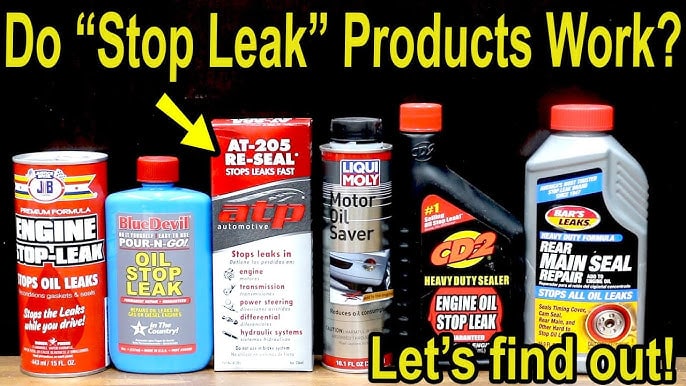
Here’s a quick comparison of popular options:
| Brand | Main Action | Best For |
|---|---|---|
| Bluedevil Oil Stop Leak | Seal conditioning | Older engines, mild leaks |
| Bars Leaks Stop Leak | Viscosity + seal swelling | Small leaks, preventive use |
| ATP AT-205 Re-Seal | Polymer-based seal restorer | Rubber seals and gaskets |
Not all additives are equal. Some are gentle and safe, while a few can swell seals too much, causing more damage over time.
How To Use Engine Oil Stop Leak Additives Correctly
If you want the best chance for success, follow these tips from the garage:
- Read the instructions. Always follow the label for the right amount to add.
- Use with fresh oil. Change your oil first for best results. Old, dirty oil can stop the additive from working.
- Don’t overuse. More is not better. Too much additive can soften seals too much, making leaks worse.
- Drive regularly. The additives need heat and movement to work into the seals.
- Check for results. Watch for oil spots after a week or two. If the leak doesn’t slow, don’t add more—get a mechanic’s help.
A common mistake I see: drivers dump in additive after additive, hoping more will solve the problem. This can break down the rubber seals, causing bigger leaks.
Best Engine Oil Stop Leak Additive: Tested 6 Leak Additives That Actually Work
Risks And Downsides: What You Should Know
Every mechanic has horror stories about additives used the wrong way. Here are two big risks:
- Seal over-swelling. Some chemicals can make seals grow too much, causing them to pop out or break down. This leads to even bigger leaks.
- Oil thickening. Some additives make oil too thick, especially in cold weather. This can starve your engine of oil at startup, causing wear.
Also, if your car is newer (less than 5 years old), most manufacturers don’t recommend using these additives. They may void your warranty, and new seals rarely need conditioning.
A non-obvious risk: Some stop leak products can gum up oil passages, especially in engines with variable valve timing or tight oil galleries. This can lead to expensive repairs down the road.
Real-world Effectiveness: What Mechanics See
Let’s be honest—most mechanics don’t love these products. Here’s what I’ve seen in the shop:
- About 30–40% of minor leaks slow down for a few months after using a stop leak additive.
- Almost no effect on leaks from hard parts (oil pan, timing cover, or head gasket).
- Some success with valve cover gasket and camshaft seal leaks on old engines.
One customer had an old Honda Civic with a small drip. We tried a seal conditioner, and the leak stopped for about six months. But after a year, the leak came back, and the real fix—replacing the gasket—couldn’t be avoided.
My advice: If you’re stuck or need a short-term fix, try an additive. But don’t rely on it forever.
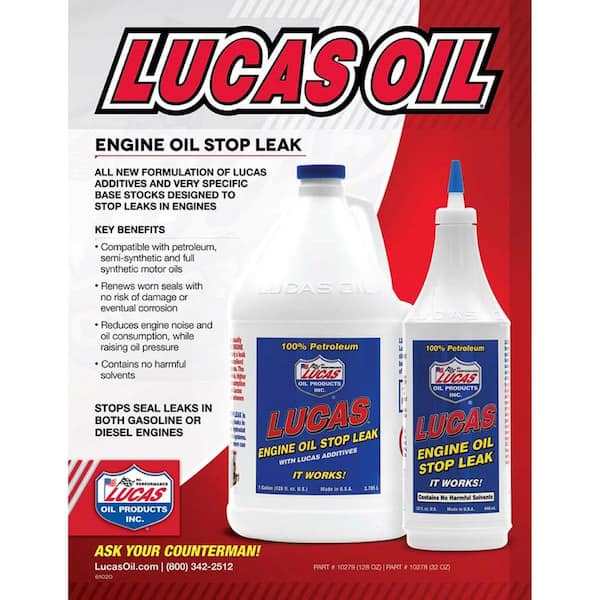
Are There Better Alternatives?
For long-term peace of mind, mechanical repair is always better. Replacing a bad seal or gasket costs more upfront but saves you headaches later.
Other alternatives include:
- Switching to high-mileage oil. These oils have seal conditioners built in and are gentler than heavy stop leak additives.
- Regular oil changes. Fresh oil keeps seals healthy and flexible, reducing leaks.
- Fixing crankcase pressure issues. Sometimes a clogged PCV valve causes pressure, pushing oil past seals. Replacing it can stop leaks without additives.
Don’t forget: Many small leaks are just part of owning an older car. If you add a quart every few months and the leak isn’t growing, you might not need to do anything at all.
Cost Comparison: Additives Vs. Repairs
Here’s a real-world look at what you might spend:
| Option | Average Cost | Longevity |
|---|---|---|
| Stop Leak Additive | $10–$20 | Weeks to months |
| Valve Cover Gasket Replacement | $150–$400 | 5+ years |
| Major Seal Replacement (e.g., rear main) | $500–$1,200 | Many years |
If money is tight, an additive can buy you time. But it’s not a substitute for proper repair when you’re ready.
What Most People Get Wrong About Stop Leak Additives
Here are two things many car owners misunderstand:
- They don’t “heal” metal or broken parts. Only rubber or soft seals can respond to these chemicals.
- Leaks often return. Even if an additive works, the effect is usually temporary. The leak almost always comes back as seals age further.
If you want a lasting solution, plan for a real repair.
So, Should You Use A Stop Leak Additive?
If your engine leak is small, coming from a seal or gasket, and you need a temporary, low-cost solution, a stop leak additive is worth a try. Just don’t expect it to work miracles or solve serious problems. Always keep an eye on your oil level and be ready to visit a mechanic if the leak doesn’t slow down.
For more technical details about how oil additives work, you can check out this Wikipedia article on oil additives.
Frequently Asked Questions
What Happens If I Use Too Much Stop Leak Additive?
Using too much can cause seals to swell too much, break down, or even block oil passages. Always follow the label instructions and never add more than recommended.
How Long Does It Take For Engine Oil Stop Leak Additives To Work?
Most products need a few days to a couple of weeks of regular driving to show results. Heat and oil flow help the chemicals reach and treat the seals.
Can Stop Leak Additives Damage My Engine?
If used as directed, most are safe for older engines. Overuse or using in new engines can cause problems like seal breakdown or clogged oil passages.
Are Stop Leak Additives A Permanent Fix For Oil Leaks?
No, they are temporary. They may slow or stop small leaks for weeks or months, but real repairs are needed for a lasting fix.
Will Stop Leak Additives Void My Car’s Warranty?
Most new car warranties advise against using additives, including stop leak products. Always check your owner’s manual or talk to your dealer before using any additive.
Oil leaks can be annoying, but with the right approach, you can manage them wisely. Additives have their place, but nothing beats a proper repair when it comes to engine health.