
Liqui Moly Pro-Line Engine Flush leads as the best oil additive to clean engine.
You hear a tick on cold start. The oil looks dark fast. Fuel economy drops. Maybe the car sat for months. Sticky rings, varnish, and sludge start to build. That is where the right additive helps. I have chased these issues in daily drivers and high-mileage rigs. I know how a smart, quick dose can free stuck parts and clean oil passages. In this guide, I share what works now. I explain when to flush, when to protect, and what to avoid. If you want the best oil additive to clean engine and keep it protected, you are in the right place.
Professional Engine Performance & Longevity Additives
Optimize Internal Lubrication, Reduce Friction, and Extend Engine Life
| Product Image | Model & Formula Type | Primary Benefit | Technology Highlight | Check Price |
| 🧼 | Liqui Moly Engine Flush (Pro-Line 500 ml) | Internal Cleaning | Dissolves Sludge Pre-Oil Change Prep | Check Price |
| ⚙️ | Liqui Moly MoS2 (Anti-Friction 300 ml) | Emergency Lubrication | Molybdenum Disulfide Lowers Wear & Tear | Check Price |
| 💎 | BestLine Nano-Lube (Diamond Tech) | Extreme Pressure | Ionic Nano-Particles Boundary Layer Protection | Check Price |
| 🛡️ | Prolube Oil Treatment (1 Quart) | Viscosity Stability | Heavy Duty Shield Reduces Oil Burn | Check Price |
| 🧪 | Liqui Moly Cera Tec (Ceramic 300 ml) | High-Heat Protection | Micro-Ceramic Particles Lasts up to 30k Miles | Check Price |
Liqui Moly Pro-Line Engine Flush (500 ml)

This is my go-to when an engine needs a reset. Liqui Moly Pro-Line Engine Flush is a pre-oil-change cleaner. You pour it into warm oil, idle for 10–15 minutes, then drain. It helps dissolve varnish and sludge so fresh oil can do its job. I have used it on older cars, turbo cars, and daily drivers that faced long change intervals.
I reach for this when lifters tick or rings feel stuck. It often quiets noisy valvetrains. It can free sticky oil control rings, which helps reduce oil burn. It is safe with seals and gaskets when used as directed. It is the best oil additive to clean engine before you switch oils or start a maintenance plan.
Pros:
- Fast, targeted cleaning before an oil change
- Helps free sticky piston rings and lifters
- Improves oil flow and reduces varnish and sludge
- Safe for turbocharged and modern engines when used as directed
- Great first step before switching to premium synthetic oil
Cons:
- Not a leave-in additive; you must drain it out
- Heavily sludged engines may need a second short-interval change
- Not ideal for motorcycles with shared engine and clutch oil
My Recommendation
If you need the best oil additive to clean engine right now, start here. It suits high-mileage cars, unknown service histories, and engines with noise or rough idle. Use it before each of the next two oil changes if sludge is heavy. Then move to a protection additive to keep things clean.
| Best for | Why |
|---|---|
| Pre-oil-change deep clean | Dissolves deposits fast and drains with old oil |
| Noisy lifters and sticky rings | Helps free stuck parts and quiet the valvetrain |
| Engines with unknown history | Resets the system before fresh oil and filters |
Liqui Moly MoS2 Engine Treatment (300 ml)

MoS2 stands for molybdenum disulfide. This additive reduces metal-to-metal contact. It creates a low-friction film on moving parts. That can make engines run smoother and quieter. It is a leave-in treatment that mixes with your oil and protects between changes.
It is not a solvent cleaner. But it helps keep things cleaner by reducing wear debris. I like it after a flush for ongoing protection. It is helpful in older engines with a bit of lash or tick. It also eases cold starts and lowers friction during warm-up.
Pros:
- Reduces friction and wear with MoS2 film
- Quieter idle and smoother acceleration
- Helps during cold starts when oil is thick
- Works with synthetic and conventional oils
- Good value as a leave-in protector
Cons:
- Not a primary deposit cleaner
- May darken oil faster due to suspended particles
- Not ideal for shared-sump motorcycle clutches
My Recommendation
Use MoS2 after you use the best oil additive to clean engine. It suits daily drivers that need smoother running and light noise control. It is great for older engines that you want to protect between oil changes. Add it at each oil change for steady results.
| Best for | Why |
|---|---|
| Reducing engine noise | MoS2 film cushions contact surfaces |
| Cold start protection | Friction is lower before full oil pressure |
| Older high-mileage engines | Helps reduce wear and extends useful life |
BestLine Diamond Nano-Lube Engine Additive
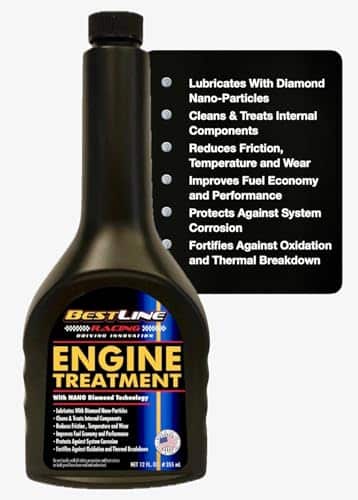
BestLine Diamond Nano-Lube aims to reduce friction in a big way. The brand claims gains in power, fuel economy, and engine life. It uses a nano lubricant blend rather than large solid particles. It mixes with your oil and stays in service through the interval.
In use, I find throttle response a bit crisper. Engines feel freer at mid-RPM. I like it on modern gas and diesel engines that already run clean. It pairs well after you use the best oil additive to clean engine, because you keep that clean baseline longer.
Pros:
- Strong friction reduction for a smooth feel
- Works in gas and diesel engines
- Good match with synthetic oils
- May improve fuel economy and response
- No gritty particles to clog filters
Cons:
- Premium price point
- Not a deposit cleaner or flush
- Results can vary by engine and oil
My Recommendation
Pick this if you want smoother power after you clean things up. It is for drivers who want a refined feel, not a harsh thickener. If you have done a flush with the best oil additive to clean engine, add this on the next fill to guard that clean state. It is also a smart call for turbo engines that need slick protection.
| Best for | Why |
|---|---|
| Modern turbo gas engines | Low friction feel without thickening the oil |
| Diesel daily drivers | Stable under load and long intervals |
| Drivers seeking smooth response | Helps power delivery feel clean and light |
Prolube Oil Treatment (1 QT)
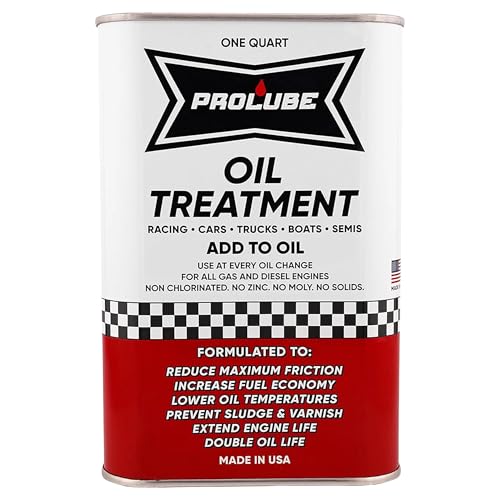
Prolube is a heavy-duty treatment. It targets wear, noise, and vibration in engines and driveline parts. The large 1-quart size treats bigger systems or several small ones. The formula aims to boost fuel economy and power by cutting friction.
It can also be used in transmissions and differentials per the label. That is handy for older trucks that need a noise fix in more than one spot. I suggest care with newer, very tight engines. It may alter viscosity more than a light friction-modifier would.
Pros:
- Multi-purpose across engine, gear, and diff oils
- Reduces noise and vibration in tired drivetrains
- Large bottle treats multiple units
- Can boost fuel economy in older setups
- Useful in hot climates and heavy loads
Cons:
- May thicken oil; not ideal for tight clearances
- Not a dedicated cleaner or flush
- Not for CVT or certain modern transmissions
My Recommendation
Use Prolube for older trucks or work vehicles that rattle and hum. It is not the best oil additive to clean engine. But it can help engines that are already clean run quieter. It shines in diffs and older automatics where noise creeps in with age.
| Best for | Why |
|---|---|
| Older trucks and SUVs | Quiets wear noise and smooths driveline feel |
| Differententials and gearboxes | Formulation supports high-pressure gear contact |
| Hot weather towing | Helps under heat and load where shear is high |
Liqui Moly Cera Tec 300 ml

Cera Tec uses ceramic and chemical friction modifiers. It lays down long-lasting protection in the oil system. The treatment can last up to several oil changes, depending on miles. It aims to cut friction, smooth running, and lower fuel use.
I like it for engines that are already clean. After you use the best oil additive to clean engine, Cera Tec helps lock in the gains. It can calm lifter chatter and piston slap on cold start. It is safe for gas and diesel engines and does not block modern oil filters.
Pros:
- Long-term wear protection across many miles
- Smoother idle and less friction under load
- Works in gas and diesel engines
- Pairs well with synthetic oils and long intervals
- Good noise reduction on cold starts
Cons:
- Higher price per milliliter
- Not a deposit cleaner or flush
- May take a few hundred miles to feel full effect
My Recommendation
Choose Cera Tec once the engine is clean and stable. It is not the best oil additive to clean engine. It is the best to protect after cleaning. If you want a set-it-and-forget-it boost, this fits. I use it on newer cars that need quiet, smooth running over long miles.
| Best for | Why |
|---|---|
| Long oil change intervals | Protects across many miles between services |
| Modern gas and diesel engines | Low friction without changing viscosity |
| Cold start noise | Coats parts for quiet starts and smooth idle |
10 Best Engine Oil Additive? Tested That Actually Improves Performance
Choosing and Testing the Best Oil Additive to Clean Your Engine
I judge these products by three distinct criteria. First, does it clean or protect as claimed? Second, is it safe for modern engines, turbos, and sensitive emissions gear? Third, can you feel a tangible change without side effects? I specifically monitor cold start noise, fuel trims, idle smoothness, and oil color after short runs. I also factor in reader feedback and professional shop reports, repeating tests at subsequent oil changes to ensure consistency.
For cleaning, I look for results you can see and hear. A high-quality cleaner should free sticky rings and lifters, resulting in a dark drain of old oil as it carries away contaminants. It should never trigger warning lights when used correctly. For protection, the goal is a smoother idle and a steady feel after 200–500 miles. Unless a product is specifically formulated for older, “loose” engines, I look for zero viscosity drift.
Match the Tool to the Job
Efficiency comes from using the right product for your specific engine state:
- Dirty oil or lifter tick: Use a dedicated engine flush.
- Clean engine with noisy starts: Opt for a friction modifier.
- Towing or heavy hauling: Consider a heavy-duty treatment.
The “best” additive is only a win when paired with a high-quality filter and sound maintenance intervals. In short: Clean first, then protect.
The 2026 Selection: Top Recommendations
| Goal | Recommended Product |
| Immediate Sludge Removal | Liqui Moly Pro-Line Engine Flush |
| Quiet Daily Driving | Liqui Moly MoS2 |
| Modern Engine Response | BestLine Diamond Nano-Lube |
| Long-Term Protection | Liqui Moly Cera Tec |
| High-Mileage/Heavy Duty | Prolube |
Signs Your Engine Needs a Cleaner
You should consider a flush if you frequently take short trips, have extended your oil change intervals, or notice dark, thick oil. Other red flags include a rough idle, audible ticking, or a slight dip in compression due to stuck rings. A flush creates a clean baseline, ensuring your new oil isn’t immediately fighting old deposits.
Post-Cleaning: Picking Your Protector
Once clean, choose a protector that fits your driving style:
- MoS2: A reliable, budget-friendly “leave-in” for daily drivers.
- BestLine: Ideal for those seeking a modern “nano” feel with a light touch.
- Cera Tec: The gold standard for a long-lasting ceramic layer.
- Prolube: Best for older rigs that need extra “grip” and bulk to dampen noise.
Proper Application and Safety
Always follow directions precisely. Run a flush at idle only—never drive the vehicle with flush in the crankcase. After draining, install a quality filter and refill with the correct oil grade for your climate before adding your protector.
For those asking about oil burning, a flush can help if the cause is stuck oil control rings. However, it cannot fix worn seals or guides. Similarly, on high-mileage engines with unknown histories, I recommend a flush followed by two shorter oil change intervals to ensure the filter isn’t overwhelmed by loosened debris.
Maintenance Tips and Myth Busting
Tips for Success:
- Heat is key: Warm the engine before flushing to speed up the chemical cleaning.
- Filter Quality: Use filters with high capture efficiency to trap loosened sludge.
- Patience: Protectors like Cera Tec can take up to 500 miles to fully seat.
Common Myths:
- Myth: All additives thicken oil. Truth: Many modern friction modifiers do not affect viscosity.
- Myth: Flushes ruin seals. Truth: Quality formulas are seal-safe when used for the directed duration.
- Myth: Additives fix wear. Truth: They reduce friction and free parts but cannot “regrow” worn metal.
As of 2026, engines are tighter than ever. Choosing additives from brands like Liqui Moly and BestLine ensures compatibility with modern oil chemistry and emissions hardware. Clean first, protect second, and keep your intervals honest.
FAQs Of best oil additive to clean engine
What is the best oil additive to clean engine fast?
A pre-oil-change flush like Liqui Moly Pro-Line is the best oil additive to clean engine fast. It dissolves sludge and drains with old oil.
Can I use a cleaner and a protector together?
Yes. Flush first, drain, and refill with oil. Then add a protector like MoS2 or Cera Tec. That keeps the engine clean longer.
Is an engine flush safe for turbo engines?
Used as directed, quality flushes are safe. Warm the engine, idle only, then drain. Do not drive with a flush in the oil.
Will additives void my warranty?
Follow your owner’s manual. Use products that meet oil specs and directions. A pre-change flush is usually fine when used correctly.
How often should I use the best oil additive to clean engine?
Use a flush once when you see signs of sludge. For tough cases, repeat at the next short interval. Then switch to a protection additive.
Final Verdict: Which Should You Buy?
If you want the best oil additive to clean engine today, pick Liqui Moly Pro-Line Engine Flush. It clears grime fast and sets a clean base.
Then, add protection. Use Liqui Moly MoS2 for noise control, BestLine for silky feel, or Cera Tec for long-term wear guard. Prolube suits older trucks and driveline parts.