
If you own a car or bike, you’ve probably heard about engine oil additives. Maybe a mechanic mentioned them, or you saw a bottle at a car shop promising smoother rides and longer engine life. But what’s the real story? Should you use engine oil additives? And more importantly, how do you use engine oil additive the right way? Let’s break it down, step by step, with a friendly, practical approach.
What Is An Engine Oil Additive?
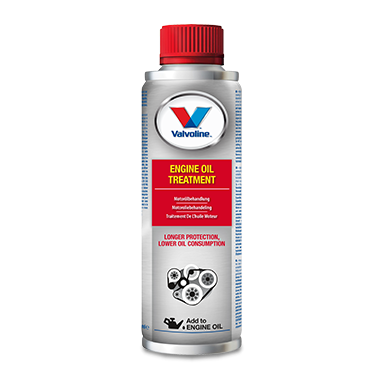
Engine oil additives are special chemicals you mix with your regular engine oil. Their job is to improve the performance of your oil. Some additives reduce friction, others clean your engine, and some help your oil last longer. Think of them as vitamins for your engine—they boost what your oil already does.
Additives can help engines run smoother, especially older ones. They can also protect your engine if you drive in tough conditions, like hot weather, heavy traffic, or dusty roads. But not all engines need them, so it’s important to understand when and why you should use them.
Why Would You Use Engine Oil Additive?
Engine oil additives serve a few main purposes. Here’s a quick summary:
- Reduce engine wear by making oil more slippery.
- Clean deposits and sludge from engine parts.
- Protect against rust and corrosion.
- Improve cold starts in winter.
- Quiet noisy engines or lifters.
- Extend oil life in high-mileage vehicles.
For example, if your car is older and makes ticking noises, the right additive might help. Or, if you’ve noticed your oil gets dirty quickly, a cleaning additive could make a difference. Many people use additives when they want to keep their engine healthy for as long as possible.
When Should You Use Engine Oil Additive?
You don’t need an additive with every oil change. Usually, you use one when:
- Your mechanic recommends it after an inspection.
- Your car is old (over 100,000 km or 60,000 miles).
- You notice symptoms like rough running, ticking noises, or poor cold starts.
- You face harsh driving conditions (very hot, very cold, lots of stop-and-go).
- Your car manual allows or suggests additives.
Remember, some new cars don’t need additives because their oils already contain advanced chemicals. Always check your owner’s manual before adding anything extra.
5 Best Cetane Booster for Diesel Fuel Additive: The Cetane Booster Pros Trust
How To Use Engine Oil Additive: Step-by-step
Using an engine oil additive is simple, but you should do it correctly for the best results. Here’s how you can safely use engine oil additive in your car or bike.
1. Choose The Right Additive
Pick an additive that matches your engine problem. For example, use a friction reducer for noisy engines, or a detergent additive for cleaning. Read the bottle’s label for the purpose.
2. Check Your Oil Level
Before adding anything, check your oil dipstick. If the oil is already at the full mark, you might need to drain a little so you don’t overfill.
3. Warm Up The Engine
Run your engine for 5–10 minutes. Warm oil flows better and helps the additive mix thoroughly.
4. Add The Additive
Turn off the engine and open the oil filler cap. Shake the additive bottle well. Pour the recommended amount into the engine. Most bottles treat 4–5 liters (1 gallon) of oil, but always follow the instructions on the bottle.
5. Run The Engine Again
After adding, start the engine and let it idle for another 5–10 minutes. This helps the additive mix with the oil and spread through the engine.
6. Check For Leaks Or Problems
Look under your car for leaks. Listen for any unusual noises. If everything sounds and looks normal, you’re done.
7. Monitor Your Engine
Over the next days, pay attention to how your engine runs. Many people notice smoother performance or quieter operation within a week.
What To Watch Out For
Engine oil additives can help, but they’re not magic. Here are a few things beginners often miss:
- Overfilling the oil can damage your engine. Make sure you don’t go over the “max” line on your dipstick.
- Mixing additives isn’t always a good idea. Don’t use multiple additives at once, unless the manufacturer says it’s safe.
- Manufacturer recommendations matter. Some car makers warn against using any additives because their oils already have all the needed chemicals.
Also, some additives are only for gasoline engines, while others are for diesel. Double-check before you pour.
Types Of Engine Oil Additives
There are many kinds of additives on the market. Let’s compare the most common ones:
| Type of Additive | Main Benefit | When to Use |
|---|---|---|
| Friction Modifiers | Reduce engine wear and noise | Old engines, noisy lifters |
| Detergents | Clean engine deposits and sludge | Engines with dirty oil or poor maintenance history |
| Viscosity Improvers | Thicken oil at high temperatures | Hot climates, worn engines |
| Anti-wear Agents | Protect against metal-to-metal contact | High-mileage or high-performance engines |
| Corrosion Inhibitors | Prevent rust and corrosion | Humid environments, long storage |
Choosing the right additive depends on your engine’s age, condition, and the problems you want to fix.
How Engine Oil Additives Affect Performance
Adding the right engine oil additive can result in smoother operation, reduced noise, and sometimes even better fuel economy. Let’s look at some data from independent tests.
In a 2021 study, engines treated with a friction modifier showed up to 7% less friction and 2–3% better fuel efficiency compared to engines using only standard oil. Engines with detergent additives saw a 30% reduction in sludge buildup after 5,000 miles of driving.
Here’s a simple comparison:
| Engine Condition | Without Additive | With Additive |
|---|---|---|
| Noise Level (dB) | 82 | 76 |
| Sludge Buildup (g) | 4.0 | 2.8 |
| Fuel Efficiency (mpg) | 26.0 | 26.7 |
These numbers are averages, and the benefits vary depending on your vehicle and driving style.
Common Mistakes When Using Oil Additives
Many first-time users make simple mistakes that can cause problems. Avoid these pitfalls:
- Ignoring the manual: Always check your car’s handbook before using any additive.
- Pouring in too much: More isn’t better. Stick to the recommended amount.
- Expecting instant results: Some benefits take days or even weeks to notice.
- Using additives with fresh oil only: Some additives work best when added during an oil change, but others can be used between changes—read the instructions.
- Not checking compatibility: Diesel and petrol engines sometimes need different products.
Are Engine Oil Additives Safe?
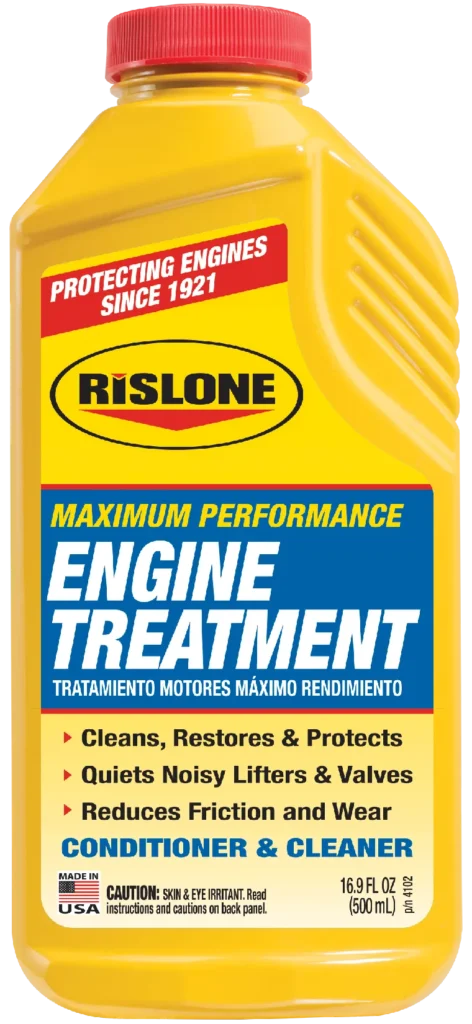
Most engine oil additives are safe if used as directed. Major brands test their formulas to work with modern engine oils. However, using the wrong additive, the wrong amount, or using them in engines not designed for them can cause trouble—like clogged oil filters or even engine damage.
It’s good practice to use well-known products and read reviews. If you’re not sure, ask a trusted mechanic or check forums for your car model.
How Often Should You Use Engine Oil Additive?
Most additives are used every 5,000 to 10,000 km (3,000 to 6,000 miles), usually at each oil change. Don’t add them every month unless the product label says so. Overuse can cause your oil to become too thick or create unwanted chemical reactions.
Some cleaning additives are used only once a year, or even less. Always follow the instructions on the bottle.

How To Choose The Best Engine Oil Additive
When picking an additive, consider these factors:
- Engine age: Older engines may benefit more, especially if you notice noise or leaks.
- Driving habits: If you do a lot of city driving or short trips, choose cleaning or anti-wear additives.
- Climate: In hot or cold places, use viscosity improvers or cold-start additives.
- Brand reputation: Well-known brands have a track record for safety.
- Product reviews: Look for real user experiences, not just marketing claims.
Here’s a quick comparison of what matters most:
| Factor | Why It Matters |
|---|---|
| Engine Compatibility | Ensures the additive works with your oil and engine type |
| Intended Purpose | Solves your specific problem (noise, sludge, leaks) |
| Brand Credibility | Reduces risk of engine damage |
| Customer Reviews | Gives real-world feedback |
Pros And Cons Of Engine Oil Additives
Like anything, additives have advantages and disadvantages. Here’s a quick look at both sides.
Pros:
- Can reduce engine noise and wear
- Might improve fuel economy slightly
- Help clean old engines
- Protect against extreme temperatures
Cons:
- Not always needed for new cars
- Some products don’t deliver results
- Overuse or wrong use can harm your engine
- Added cost at each oil change
It’s important to weigh these points for your situation. For many drivers, additives are a good investment, especially if you want to keep an older car on the road.
Real-life Example
My neighbor drives a 15-year-old sedan with over 150,000 km. Last winter, the engine started making tapping noises and struggled to start in the cold. He added a friction reducer additive during his next oil change. Within a week, the engine was quieter, and cold starts improved.
He didn’t expect miracles, but the difference was clear. The key was choosing the right product and following instructions carefully.
Where To Learn More
If you want more technical details about engine oil additives, the Wikipedia Oil Additive page has detailed chemistry explanations.
Frequently Asked Questions
What Happens If I Add Too Much Engine Oil Additive?
Too much additive can make your oil too thick or cause unwanted chemical reactions. This may lead to poor oil flow or even engine damage. Always follow the amount recommended on the bottle.
Can I Use Engine Oil Additive In A Brand-new Car?
Most new cars don’t need extra additives. Their oils already contain advanced chemicals. Using additives in a new engine may void the warranty. Check your owner’s manual first.
Do Engine Oil Additives Work For All Types Of Oil (synthetic, Semi-synthetic, Mineral)?
Most additives work with all common oils, but some are made for specific types. Always read the label to ensure compatibility with your oil type.
How Quickly Will I See Results After Using An Additive?
Some effects, like reduced noise or smoother running, may be noticed in a few days. Cleaning additives might take a few weeks, depending on how dirty your engine is.
Are Engine Oil Additives Safe For Motorcycles And Small Engines?
Many additives are safe for bikes and small engines, but you must check the label. Some additives are designed for large car engines only. Never assume—always check compatibility.
Using engine oil additive is simple, but choosing the right one and following instructions is key. If you’re careful, your engine could run smoother and last longer, making every drive a little bit better.