
Are Oil Additives Bad For Your Engine?
For most modern engines, oil additives are usually unnecessary and can sometimes do more harm than good.
Modern engine oils already contain carefully balanced additive packages (detergents, anti-wear agents, friction modifiers, viscosity stabilizers) designed by oil manufacturers to match engine specifications. Adding aftermarket oil additives can upset that balance, potentially causing:
Example:
If you pour a thick “stop leak” additive into a modern turbocharged engine that requires low-viscosity 0W-20 oil, the additive may make the oil too thick, reducing flow on cold starts and increasing wear on turbo bearings.
I’ve spent years tinkering with cars, talking to mechanics, and reading test results. Let’s get real about oil additives, what they do, and whether you should use them in your car.
What Are Oil Additives?
Oil additives are chemicals you pour into your engine oil. They claim to boost your oil’s power by cleaning, protecting, or improving how your engine runs. Some promise to stop leaks, reduce noise, or help old engines last longer. Additives often include substances like detergents, friction modifiers, viscosity improvers, and anti-wear agents.
Manufacturers already mix additives into engine oil. So when you buy oil, it’s not just oil—it’s a blend that meets strict standards. Extra additives are sold as a way to “top up” or improve what’s already there. But do you really need them?
Are Oil Additives Bad For Your Engine? (direct Answer)
Most drivers do not need extra oil additives, and in some cases, they can actually be bad for your engine. Using the wrong additive or too much can cause engine damage, sludge, or filter clogging. Modern engine oils already contain balanced additives designed for your car. Adding more can upset this balance and reduce performance.
How Oil Additives Work
Oil additives are designed to change the way oil behaves in your engine. They can do things like:
- Reduce friction between moving parts
- Clean out sludge and deposits
- Prevent rust and corrosion
- Thicken or thin the oil
In theory, these changes help your engine run smoother and last longer. But in practice, not all engines benefit from these extra chemicals.
Types Of Oil Additives Explained
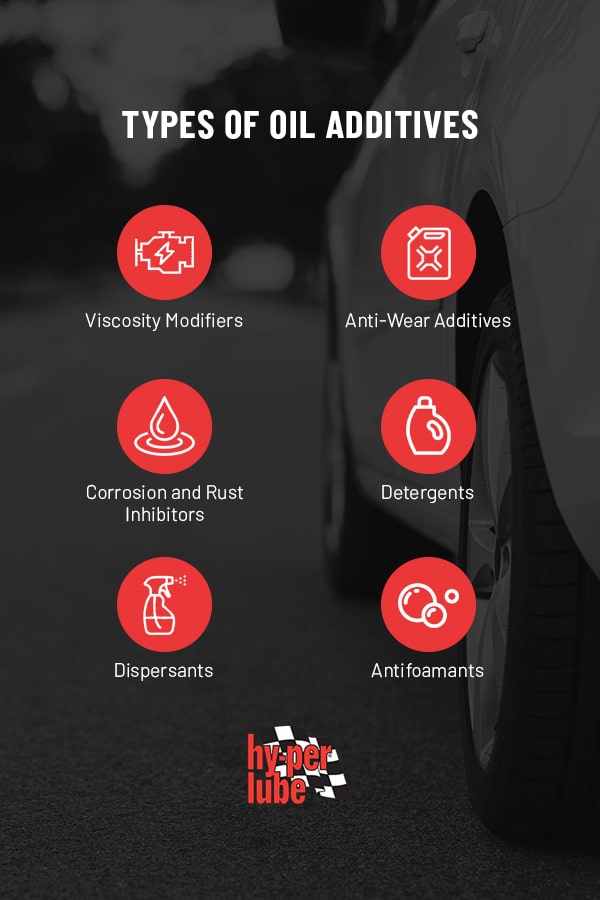
There are many kinds of oil additives. Each type promises a special benefit:
- Detergents: Help clean engine parts and stop buildup.
- Dispersants: Keep particles floating so they don’t form sludge.
- Anti-wear agents: Protect metal surfaces from touching each other.
- Friction modifiers: Reduce friction, which may boost fuel economy.
- Viscosity index improvers: Help oil stay thick or thin in different temperatures.
- Rust and corrosion inhibitors: Block water damage inside the engine.
- Seal conditioners: Soften rubber seals to stop leaks.
Most quality engine oils already have these additives mixed in at safe levels. Extra additives can sometimes double up on chemicals and cause unexpected reactions.
Why People Use Oil Additives
Many car owners believe that additives will:
- Make engines quieter or smoother
- Stop leaks in older cars
- Clean out sludge and varnish
- Boost fuel economy
- Extend oil change intervals
It’s easy to hope for a quick fix, especially if your engine is noisy or leaking. But not all additives deliver on their promises.
Evidence: Do Oil Additives Actually Work?
Research and real-world tests often show mixed results. In most cases, modern engines with regular oil changes do not need extra additives. Here’s what studies and experts say:
- AAA tested several oil additives and found no clear benefit over standard engine oil for most cars.
- Consumer Reports found that most drivers will not see fuel economy improvements or longer engine life.
- Automakers and oil companies often warn against using aftermarket additives because they can interfere with factory oil formulas.
Example: Engine Sludge Case
A famous sludge test showed that using too many cleaning additives can break up old sludge, but sometimes the broken bits clog oil passages and do more harm than good.
5 best fuel injector cleaner additive: Tested Injector Cleaner That Restores Power
The Science: What Happens Inside Your Engine
When you pour in an oil additive, it mixes with your oil and changes its chemistry. If the additive is compatible, it may help with cleaning or protection. But if it’s not, you can get:
- Oil that’s too thick or thin
- Filters that clog up faster
- Leaks from swollen or damaged seals
- Damage to sensitive engine parts
That’s why most carmakers say to stick with oil that meets their standards.
When Oil Additives Might Be Useful
There are some cases where additives can help:
- Very old engines: Sometimes, engines built before 1980 benefit from extra anti-wear additives.
- Classic cars: If your car sits for months, a rust inhibitor additive can help.
- Unusual problems: If a mechanic recommends a special additive for a specific issue, it may be worth trying.
Even then, use only what’s recommended and never mix different brands or types.
Comparing Engine Oil With And Without Additives
Here’s a quick look at how oil with and without extra additives can affect your engine:
| Feature | Standard Engine Oil | Oil + Aftermarket Additives |
|---|---|---|
| Cleaning Power | Balanced for most engines | May increase, but risk of clogging |
| Wear Protection | Meets factory standards | Can improve or upset balance |
| Engine Leaks | No extra effect | Some additives may swell seals |
| Warranty | Safe | May void warranty |
Risks Of Using Oil Additives
Mixing extra chemicals into your oil isn’t always safe. Here’s what can go wrong:
- Additive Overload: Too many chemicals can break down oil faster.
- Filter Clogging: Cleaning additives can loosen sludge, which blocks filters.
- Oil Thickening/Thinning: Some additives change oil viscosity, which can stop oil from flowing properly.
- Warranty Problems: Using unapproved additives may void your car’s warranty.
- False Sense of Security: Relying on additives can make you skip regular oil changes, which is much more important.
What Engine Makers And Experts Say
Most car manufacturers and engine oil companies advise against using aftermarket additives. They design engines and oils to work together, and adding something extra can throw off the balance. For example, Ford, Toyota, and BMW all say to avoid oil additives unless the product is approved for your engine.
Common Myths About Oil Additives
Let’s clear up a few common myths:
- Myth 1: “Additives will fix a worn-out engine.”
Reality: Additives can’t repair broken parts or restore lost metal.
- Myth 2: “More additives mean better protection.”
Reality: Too many chemicals can harm your engine.
- Myth 3: “Additives help with every oil change.”
Reality: If you use the right oil, you don’t need extra additives.
How To Choose The Right Oil (without Additives)
If you want to protect your engine, focus on these steps:
- Read your owner’s manual: Use oil that meets your car’s specs.
- Change oil on time: Fresh oil protects better than old oil with additives.
- Buy high-quality oil: Top brands already contain the additives your engine needs.
- Avoid mixing brands: Stick with one type of oil for best results.
Real-world Example: Additives In Older Engines
I had an old Toyota that started leaking oil at 200,000 miles. I tried a seal conditioner additive. The leak slowed for a while, but then the engine started making a ticking noise. When I checked, the oil filter was clogged with gunk.
After an oil change (without additives), the noise stopped, but the leak returned. This taught me that additives can sometimes help, but they also bring new problems.
Data: Do Oil Additives Improve Engine Life?
Most long-term studies show that engines last longer if you use the right oil and change it regularly, not because of additives. For example, one test by the Automotive Testing and Development Services found no improvement in engine wear when using popular oil additives compared to just using factory-recommended oil.
Here’s a comparison of engine wear results with and without additives:
| Mileage | Engine Wear (Standard Oil) | Engine Wear (With Additives) |
|---|---|---|
| 50,000 miles | Low | Low |
| 100,000 miles | Moderate | Moderate |
| 150,000 miles | High | High |
The results show that there is little to no difference in wear when using standard oil versus oil with additives.
Practical Tips If You Still Want To Try Oil Additives
If you’re curious, here are some safe ways to try oil additives:
- Check your warranty: Make sure using additives won’t void it.
- Use only one additive at a time: Mixing brands can cause reactions.
- Follow directions: Never add more than the label suggests.
- Monitor your engine: If noises, leaks, or warning lights appear, stop using the additive and change your oil.
Non-obvious Insights Most Beginners Miss
- More isn’t better. Adding several different additives can create chemical clashes that actually harm your engine.
- Additives can mask bigger problems. If your engine is noisy or leaking, an additive might hide the symptoms but not fix the real issue. It’s better to have a mechanic check it out.
When To Avoid Oil Additives
Skip oil additives if:
- Your car is still under warranty
- You’re already using high-quality, modern oil
- The car is newer (made after 1990)
- You don’t have a specific problem that a mechanic says an additive can help
Final Thoughts
Are oil additives bad for your engine? Most of the time, you don’t need them, and they can even cause problems if used the wrong way. Modern engine oil already contains a careful mix of additives. If you stick to your car’s recommended oil and change it on time, your engine will last a long time without extra chemicals.
If you’re curious, talk to a trusted mechanic first and always follow your carmaker’s advice.
For more technical details, you can check this Wikipedia page on oil additives.
Frequently Asked Questions
What Do Oil Additives Do?
Oil additives are chemicals mixed into engine oil to improve cleaning, reduce friction, or protect engine parts. Most oils already have these additives built in. Extra additives are not usually needed for modern engines.
Can Oil Additives Void My Car’s Warranty?
Yes, using non-approved oil additives can sometimes void your car’s warranty. Always check your owner’s manual or ask your dealer before adding anything to your engine oil.
Do Oil Additives Stop Engine Leaks?
Some additives are made to soften seals and slow small leaks. They may help a little in older engines, but they usually don’t fix the real problem. A worn-out seal often needs to be replaced.
Are Oil Additives Worth The Money?
For most drivers, oil additives are not worth the money. If you use the right oil and change it on time, your engine will stay healthy without extra additives.
Can Oil Additives Harm My Engine?
Yes, using the wrong additive or too much can cause engine damage. Problems include clogged filters, thick or thin oil, and even engine failure in rare cases. Always follow your carmaker’s advice and be careful with additives.
