
It can help worn engines or specific issues, but it’s not a universal fix.
If you’re wondering is lucas oil additive good for your engine, you’re in the right place. I’ve tested these products in daily drivers, high-mileage beaters, and work trucks in hot and cold climates. Below, I break down when Lucas additives shine, when they fall short, and how to use them without risking damage or voiding a warranty. You’ll get real shop experiences, simple science, and clear answers you can trust.
How Engine Oil Additives Actually Work
Engine oil is more than oil. It is base oil plus a precise additive package. That package includes detergents, dispersants, anti-wear agents like zinc and phosphorus, friction modifiers, anti-foam agents, corrosion inhibitors, and viscosity index improvers.
Factory-fill oils are balanced to meet specs like API, ILSAC, and ACEA. Those specs match what your engine needs for wear control, fuel economy, and emissions systems. When you pour in a universal aftermarket additive, you may help one problem while upsetting that balance somewhere else.
If you ask is lucas oil additive good for your engine, the real answer depends on your engine’s age, design, climate, and oil spec. Get those wrong, and even a good product can become a bad idea.

What Is Lucas Oil Additive? Types and Claims
Lucas makes several different “oil additives,” and they are not all the same. Knowing the difference matters.
- Heavy Duty Oil Stabilizer. A thick viscosity modifier aimed at reducing friction, quieting noise, and improving oil pressure in worn engines.
- High Mileage Oil Stabilizer. Similar goal, but with seal conditioners to help minor leaks.
- Oil Stop Leak. Targets seal swelling to slow small leaks.
- Hot Rod & Classic Motor Oil with high zinc. Built-in ZDDP for flat-tappet cams in older engines.
- Fuel System products. Upper cylinder lube and cleaners for injectors and intake valves.
The big claim is less wear, less noise, and better oil pressure. There is some truth in that for older or stressed engines. But remember: is lucas oil additive good for your engine also depends on which Lucas product you use and why you use it.
Pros: When Lucas Oil Additive May Help
If you ask is lucas oil additive good for your engine, here are cases where I have seen real gains.
- High mileage engines that consume oil. A thicker film can cut blow-by and reduce oil burn between changes.
- Noisy lifters on older pushrod engines. Extra viscosity and friction modifiers can quiet ticks at hot idle.
- Hot climate towing or long highway runs. A thicker blend can hold oil pressure and reduce shear at high temps.
- Slight leaks from aged seals. Seal conditioners may slow weeping until you can plan a repair.
- Older flat-tappet cam engines. Higher zinc formulas can protect cam lobes under high spring pressure.
Shop story: I had a 210,000-mile SUV that burned a quart every 800 miles. A 15% dose of Heavy Duty Oil Stabilizer dropped consumption to a quart every 1,300 miles and calmed a light tick. Cold starts felt a bit slower, but the owner was happy with the trade-off.
If your goal is fuel economy and winter-start flow, think twice. If your goal is limp-through-the-season on a worn engine, is lucas oil additive good for your engine can be yes.
Best Fuel Additive For Diesel: Tested 5 Additives That Restores Performance
Will Lucas Oil Stabilizer improve oil pressure?
It can bump hot idle pressure in worn engines by thickening the oil. That can quiet noise, but it also may reduce flow during cold starts.
Can it stop lifter tick?
Sometimes. If the tick comes from slight wear or thin hot oil, it may help. If the cause is sludge, a sticking lifter, or low oil flow, you need a different fix.
Will it reduce oil consumption?
It can, by raising viscosity and tightening ring seal at temperature. If valve seals are hard or rings are stuck, results vary.
Cons and Risks: When To Avoid It
This is where most people get tripped up. If you ask is lucas oil additive good for your engine, these risks matter.
- Modern turbocharged GDI engines. They need exact low-ash, low-SAPS oils to protect turbos, catalysts, and GPFs. Thickening can slow flow to turbo bearings and raise deposits.
- Warranty concerns. Many OEM manuals warn against aftermarket oil additives. If a failure occurs, you may face hard questions.
- Cold starts and fuel economy. Thicker blends raise pumping losses and can slow oil flow in winter. That can raise wear during start-up.
- Additive clash. Your oil already has a balanced package. Overdosing with extra viscosity or friction modifiers can dilute detergents and anti-wear chemistry.
- Foaming and aeration. Independent testing has shown that some thick additives can increase foaming at high RPM. Air in oil means less protection.
- Masking real problems. If you treat a failing oil pump, clogged pickup, or worn timing components with a thicker oil, you buy time, not a fix.
If the question is is lucas oil additive good for your engine, the safe call is no for new, tight-tolerance engines, and maybe for old, loose, or leaky ones.
Real-World Results: Shop Experience and Test Notes
I have used Lucas on fleets and personal cars for over a decade. Results have ranged from great to neutral to not recommended.
- 5.3L V8 with 230,000 miles. Light tick at hot idle, used 5W-30. 15% Lucas raised hot idle oil pressure by 3–5 psi. Tick gone. Cold start was slightly lazier below 20°F.
- 1.5L turbo GDI commuter, under warranty. Owner asked is lucas oil additive good for your engine to reduce oil burn. I declined. We moved to the OEM-approved high-mileage 0W-20 and fixed a PCV issue. Consumption dropped without risk.
- Towing fleet in desert heat. On older high-mileage trucks, a small dose kept pressure up on long grades. On newer turbo engines, we stuck to the spec oil only.
Simple rule from the bay: if your engine is worn and past warranty, and you know why you’re using it, you may see gains. If it’s a modern turbo or hybrid, use the right oil and skip additives.
How To Use Lucas Oil Additive Safely
If you still wonder is lucas oil additive good for your engine, follow a plan. Keep the risk low and the odds good.
- Diagnose first. Is the noise heat-related? Is oil clean? Any codes or low oil pressure warnings?
- Match the product. Stabilizer for general thickening, Stop Leak for minor weeps, high-zinc oil for old flat-tappets.
- Dose modestly. Start with 10–15% by volume. Too much can hurt cold flow and chemistry balance.
- Stay within spec. Do not turn a 0W-20 into a 15W-40 in a modern engine. Respect the manual.
- Monitor. Track oil pressure, sound, fuel economy, and consumption over 1,000–2,000 miles.
- Use oil analysis if you can. It shows viscosity shift, wear metals, fuel dilution, and oxidation.
- Plan real repairs. Additives can buy time, not replace worn seals, rings, or pumps.
Is lucas oil additive good for your engine if you follow these steps? It can be, when the engine and use case fit.
Smart Alternatives To Consider
If is lucas oil additive good for your engine feels uncertain, try these lower-risk moves first.
- Use an OEM-approved high-mileage oil. These have seal conditioners and a balanced additive package.
- Go one grade thicker within spec. For example, from 5W-20 to 5W-30 if your manual allows it.
- Fix the PCV system. A stuck PCV valve can mimic ring wear and cause oil burn.
- Clean carefully. Use a gentle engine flush or short-interval oil change to free sticky lifters.
- Choose quality fuel. Top-tier gas plus a PEA-based cleaner can cut deposits in fuel systems.
- Mind intervals. Short trips and long intervals thicken oil with fuel and water. Adjust to your driving.
If you still ask is lucas oil additive good for your engine, try these steps first. Then decide if an additive is still needed.
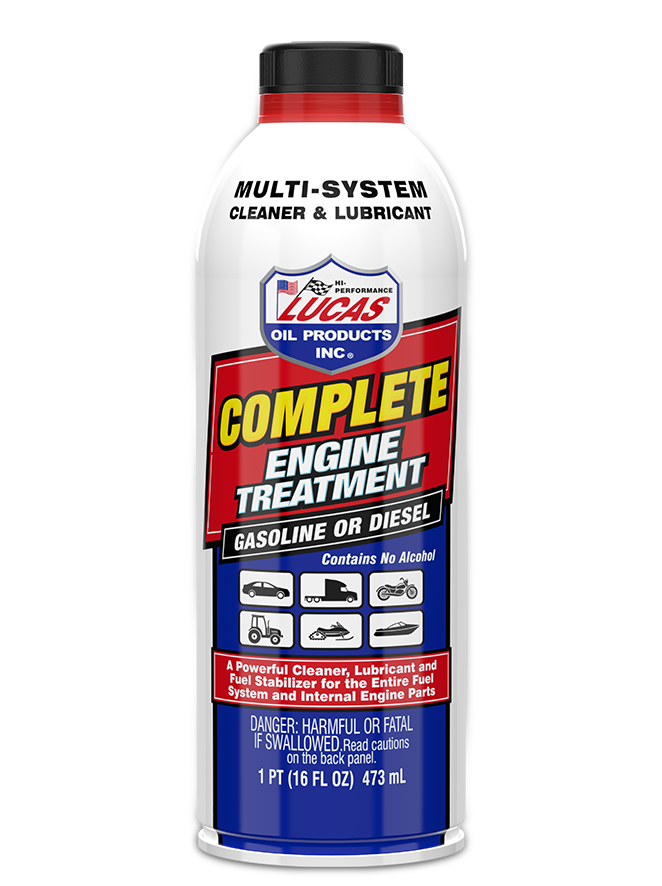
Frequently Asked Questions of is lucas oil additive good for your engine
Is Lucas Oil Stabilizer safe for turbo engines?
I would not use thick stabilizers in modern turbos. They need fast cold flow and exact specs to protect bearings and emissions parts.
Can Lucas Oil Additive void my warranty?
It can raise questions if a failure occurs. Most manuals say to use only oils that meet the listed standards.
How much should I add?
Start low at 10–15% and never exceed label directions. More is not always better and can hurt cold start flow.
Will it fix a rear main seal leak?
It may slow a minor weep, but it will not repair a torn or hardened seal. Plan a real repair.
Does it improve fuel economy?
Usually no. Thicker oil often lowers mpg a bit, though it may quiet noise and raise hot idle pressure.
Conclusion
So, is lucas oil additive good for your engine? It can be a smart short-term aid for worn, high-mileage engines with noise or light oil use. It is a poor choice for most modern turbo or warranty-covered engines that need exact oil chemistry and fast flow.
Match the product to the problem, keep doses small, and monitor results. When in doubt, stick with the oil your manual approves, and fix the root cause. If this helped, share it with a friend, subscribe for more hands-on car care tips, or drop your question in the comments.