
dexos1 Gen 3 is mainly for gasoline engines, while dexos2 targets many diesel and European-style applications. Choosing between dexos1 Gen 3 vs dexos2 is not simply a matter of picking the “stronger” oil.
These are different General Motors performance specifications, built for different engine needs, emissions systems, fuel types, and driving conditions. The right choice depends on your owner’s manual, oil viscosity, vehicle model, and the approval printed on the bottle. This guide explains dexos1 Gen 3 vs dexos2 in clear terms so you can avoid costly oil mistakes and make a confident choice.
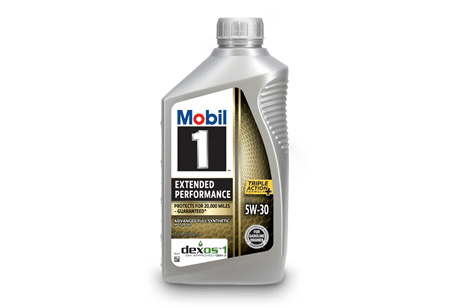
What Are dexos1 Gen 3 and dexos2?
dexos is General Motors’ oil performance standard. It sets rules for engine protection, deposit control, fuel economy, oxidation resistance, turbocharger protection, and compatibility with emissions equipment.
An oil can carry the dexos name only when it meets the required testing and licensing conditions. This is important because the words “full synthetic” or “high mileage” do not automatically mean the oil is approved for your vehicle.
The main difference in dexos1 Gen 3 vs dexos2 is the type of engine and operating system each specification is designed to support:
• dexos1 Gen 3 is mainly designed for gasoline engines in North America and similar markets.
• dexos2 is commonly used for certain diesel and gasoline engines, especially in vehicles designed around European emissions and oil standards.
• dexos1 Gen 3 usually focuses more on gasoline turbo engines, fuel economy, and protection against low-speed pre-ignition.
• dexos2 usually focuses more on low-ash performance, wear control, and compatibility with diesel particulate filters and other emissions systems.
These descriptions are useful, but they are not a substitute for the vehicle owner’s manual. Some GM vehicles specify one standard only, while others may allow more than one oil type.
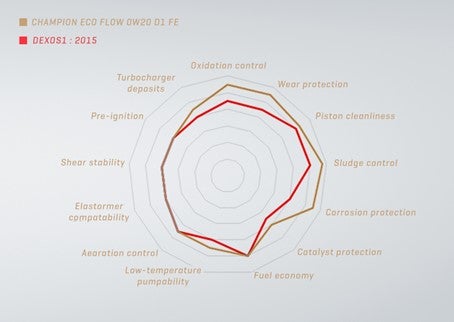
dexos1 Gen 3 Explained
dexos1 Gen 3 is the newer gasoline-focused GM oil specification. It replaced dexos1 Gen 2 for many applications and added stronger testing for modern turbocharged gasoline engines.
Modern gasoline engines work hard. A small turbocharged engine may produce the power of a much larger engine. It can also run at high temperatures and pressures during towing, passing, or long highway trips. dexos1 Gen 3 was created to address these demands.
Key goals of dexos1 Gen 3 include:
• Better protection against low-speed pre-ignition, often called LSPI.
• Strong control of sludge, varnish, and piston deposits.
• Improved turbocharger and timing-chain protection.
• Better oxidation resistance during high-temperature operation.
• Support for fuel economy requirements.
• Compatibility with gasoline engines using modern emission controls.
Low-speed pre-ignition is a serious concern in some small, direct-injection, turbocharged gasoline engines. It can cause abnormal combustion before the spark occurs. In severe cases, this event can damage pistons, connecting rods, or other engine parts.
The testing behind dexos1 Gen 3 is designed to reduce that risk. It does not make an engine immune to LSPI, but it gives the oil a performance advantage when the engine is operated correctly.
7 Best Oil For Fuel Dilution (Tested For High-Viscosity and Synthetic Oils)
dexos2 Explained
dexos2 is a different GM specification. It is commonly associated with European-market GM vehicles, diesel engines, and engines that require an oil with lower sulfated ash, phosphorus, and sulfur content.
These substances are often grouped under the term SAPS. Too much ash-forming material can shorten the life of diesel particulate filters and other exhaust-treatment parts. A suitable low-SAPS oil helps protect these systems when the engine and oil are designed to work together.
dexos2 may be found in oils with specifications such as:
• ACEA C3.
• Certain European manufacturer approvals.
• Diesel particulate filter compatibility.
• Gasoline and diesel engine applications listed by the vehicle maker.
However, dexos2 does not mean “diesel only.” Some gasoline engines can require dexos2, especially in markets where GM vehicles use European engine designs or emissions systems.
A common mistake is to assume that dexos2 is automatically better because it may be marketed for severe conditions or diesel engines. Oil quality is not a simple ladder. A specification is more like a key. It must match the lock, or its strengths may not matter.
dexos1 Gen 3 vs dexos2: Main Differences
The clearest way to understand dexos1 Gen 3 vs dexos2 is to compare their purpose.
| Feature | dexos1 Gen 3 | dexos2 |
|---|---|---|
| Main focus | Modern gasoline engines | Many diesel and selected gasoline engines |
| Common market use | North American gasoline vehicles | European and global GM applications |
| Turbo gasoline protection | Strong focus, including LSPI testing | May not provide the same gasoline-specific focus |
| Emissions concern | Gasoline catalytic converters and modern engine systems | Low-SAPS protection for diesel and gasoline emissions systems |
| Typical oil types | Often 0W-20, 5W-20, or 5W-30, depending on the vehicle | Often 5W-30, 0W-30, or another manual-approved grade |
| Best choice | When the manual calls for dexos1 Gen 3 | When the manual calls for dexos2 |
The most important point is that neither standard wins in every category. dexos1 Gen 3 may be the better choice for a gasoline turbo engine that specifically requires it. dexos2 may be the correct choice for a diesel engine with a particulate filter.
When comparing dexos1 Gen 3 vs dexos2, always consider the complete oil requirement:
• Performance specification.
• SAE viscosity grade.
• Fuel type.
• Emissions equipment.
• Model year.
• Climate and driving conditions.
• Oil change interval.
Using the correct viscosity with the wrong specification is still a mistake. For example, a 5W-30 oil may fit the viscosity requirement but fail to meet the required GM approval.
Which Oil Is Better for Gasoline Engines?
For most gasoline engines that specifically call for dexos1 Gen 3, dexos1 Gen 3 is the safer choice. This is especially true for gasoline engines with turbochargers, direct injection, or a history of high oil temperatures.
dexos1 Gen 3 is built around modern gasoline engine concerns. Its testing places strong emphasis on LSPI control, timing-chain wear, piston deposits, and turbocharger cleanliness.
That does not mean dexos2 cannot be used in any gasoline engine. Some vehicles, particularly certain European-market GM models, may require dexos2 for gasoline operation. The owner’s manual always takes priority.
Use this simple rule:
• If the manual says dexos1 Gen 3, use a licensed dexos1 Gen 3 oil.
• If the manual says dexos2, use a licensed dexos2 oil.
• If the manual lists both, follow the viscosity and market-specific instructions.
• If the manual is missing, check the manufacturer’s digital service information or ask a qualified dealer.
Many oil containers list several approvals. Read the back label rather than relying only on the large wording on the front. Look for an official dexos license mark or clear approval statement.
Which Oil Is Better for Diesel Engines?
For a diesel engine that requires dexos2, dexos2 is generally the correct selection. Diesel engines often create more soot and place different demands on the oil than gasoline engines.
A diesel particulate filter traps soot from the exhaust. Oil additives can contribute to ash when small amounts of oil enter the combustion process. Low-SAPS oils help reduce this concern and support the life of the filter when used as specified.
Diesel engines also need strong wear protection and resistance to soot-related thickening. dexos2 oils are designed for applications where these needs matter.
Still, do not assume every diesel engine needs dexos2. Some newer diesel engines may require another GM specification or a different manufacturer approval. Diesel oil requirements can vary by engine family, region, emissions system, and model year.
Before buying oil, confirm:
• The exact engine code if available.
• The required GM specification.
• The required SAE grade.
• Whether the vehicle has a diesel particulate filter.
• Whether the oil must meet another approval, such as an ACEA or manufacturer standard.
Can You Substitute dexos1 Gen 3 for dexos2?
Usually, you should not substitute dexos1 Gen 3 for dexos2 unless the owner’s manual clearly allows it. These standards address overlapping concerns, but they are not identical.
A gasoline-focused oil may not meet the low-SAPS requirements expected for a diesel particulate filter. Using an oil without the correct emissions-system approval could contribute to ash buildup over time.
The same caution applies in reverse. dexos2 may not offer the specific LSPI performance required by a modern gasoline turbo engine that calls for dexos1 Gen 3.
Some oils may carry more than one approval. In that case, the oil can be suitable for both applications, but only when the label clearly lists both official approvals and the viscosity matches the vehicle requirement.
A product that says “suitable for” is not always the same as one that says “approved for.” This small wording difference matters. For important engines, choose a licensed product with a documented approval.
Is dexos2 Thicker or Stronger Than dexos1 Gen 3?
Neither dexos2 nor dexos1 Gen 3 is automatically thicker or stronger. Viscosity comes from the SAE grade, such as 0W-20, 5W-30, or 5W-40.
For example, a 5W-30 dexos1 Gen 3 oil and a 5W-30 dexos2 oil have similar viscosity classifications at the tested temperatures. Their additive packages and performance tests may still be different.
A 5W-40 dexos2 oil is thicker at operating temperature than a 0W-20 dexos1 Gen 3 oil. But that difference comes from the viscosity grade, not simply from the dexos name.
Think of the oil specification and viscosity as two separate labels:
• The viscosity tells you how the oil flows.
• The dexos approval tells you what performance tests the oil passed.
You need both labels to match the vehicle. Choosing a thicker oil because it “feels stronger” can reduce cold-start flow, fuel economy, or compatibility with variable valve timing systems.
How to Read a dexos Oil Label
Oil bottles can be confusing because they display many claims. A careful label check takes less than a minute.
Follow these steps:
- Find the SAE viscosity grade, such as 0W-20 or 5W-30.
- Look for the exact dexos specification required by the manual.
- Check whether the wording says approved or licensed rather than only suitable.
- Confirm the API service category when required.
- Check the bottle date and buy from a reliable seller.
- Avoid products with unclear or poorly printed approval information.
The official dexos license mark is useful because it shows that the product has been entered into the GM licensing system. Some products may list a specification in small print on the back label, so do not rely only on the front panel.
This is also where many drivers make a costly mistake. They see “full synthetic,” “European formula,” or “advanced protection” and assume the product fits every engine. Marketing language can describe a product, but it does not replace the required vehicle approval.
Common Mistakes to Avoid
The best way to prevent oil problems is to avoid a few common habits.
• Choosing by brand alone: A trusted brand can sell oils for many different applications. The exact product matters.
• Choosing by viscosity alone: 5W-30 does not automatically mean the oil meets dexos1 Gen 3 or dexos2.
• Using diesel oil in every gasoline engine: Diesel oil may have additive and emissions-system properties that do not match a gasoline turbo engine.
• Ignoring the owner’s manual: Online advice can be useful, but your manual is specific to your vehicle.
• Extending the oil interval without checking conditions: Short trips, towing, dust, heat, and heavy traffic can increase oil stress.
• Mixing different specifications without a reason: A small amount used during an emergency is unlikely to cause instant damage, but the correct oil should be used at the next service.
• Trusting an unlicensed online listing: Counterfeit or mislabeled oil is a real concern. Buy from established retailers and inspect the packaging.
One practical lesson is worth remembering: the wrong approved oil rarely causes a problem on the first day. The risk often builds quietly through deposits, wear, or emissions-system trouble. That is why correct selection matters even when the engine appears to run normally.
What About Mixing dexos1 Gen 3 and dexos2?
Mixing oils is sometimes unavoidable. If the oil level is dangerously low, adding an available oil is usually better than driving with insufficient oil pressure or oil volume.
However, routine mixing is not ideal. When two oils have different specifications, the final mixture may not fully deliver the performance intended by either approval.
For a small top-up:
• Use the correct viscosity if possible.
• Choose an oil with the vehicle’s required dexos approval.
• Avoid mixing if the engine is under warranty and the product choice is unclear.
• Schedule an oil change if the wrong oil was added in a large amount.
• Keep the receipt and record the product used.
A small emergency top-up does not normally require panic. Engines are designed with some tolerance, and modern oils are often compatible at a basic chemical level. The main concern is long-term use with an unsuitable specification.
Oil Change Tips for Better Engine Protection
Correct oil is only one part of engine care. Oil level, filter quality, service timing, and driving habits also matter.
Use these practical steps:
• Check the oil level on level ground with the engine off for the period stated in the manual.
• Do not overfill the crankcase.
• Replace the oil filter at each oil change unless the manufacturer states otherwise.
• Use the recommended service interval or the shorter interval for severe driving.
• Check the oil level more often if the engine uses turbocharging or consumes oil.
• Inspect for leaks around the filter, drain plug, valve cover, and turbocharger lines.
• Record the date, mileage, viscosity, and dexos approval.
Severe service can include frequent short trips, long idling, dusty roads, towing, racing, extreme temperatures, or heavy stop-and-go traffic. These conditions may require more frequent changes than a normal highway schedule.
One useful habit is to check the oil a few days after every service. This can catch a loose drain plug, a leaking filter, or an incorrect fill level before it becomes a serious repair.
dexos1 Gen 3 vs dexos2 for Warranty Protection
Using the oil listed in the owner’s manual helps support warranty claims and reduces disputes over maintenance. Keep receipts that show the product, viscosity, date, and mileage.
Warranty coverage is based on many factors. An oil choice alone does not prove that a failure was caused by maintenance. Still, using a clearly approved product gives you stronger documentation.
For the best record:
• Photograph the oil label before installation.
• Keep the purchase receipt.
• Write down the vehicle mileage.
• Record the filter brand and part number.
• Save service invoices.
• Follow the manufacturer’s oil interval.
For newer vehicles, some owners prefer dealer service because the records are stored electronically. Independent shops can also perform excellent work when they use the correct oil and document it clearly.
A Simple Decision Guide
Use this guide when comparing dexos1 Gen 3 vs dexos2:
- Read the owner’s manual.
- Identify whether the engine is gasoline or diesel.
- Confirm the required SAE viscosity.
- Find the exact dexos specification.
- Check for the official approval on the bottle.
- Confirm the oil meets any additional manufacturer requirements.
- Use the correct amount and replace the filter.
- Keep maintenance records.
If the manual specifies dexos1 Gen 3, choose dexos1 Gen 3. If it specifies dexos2, choose dexos2. If both are listed, select the oil that matches the required viscosity and the driving conditions described by the manufacturer.
This process is more reliable than asking which oil is “best” in general. The best oil is the one that meets the engine’s complete specification.
Frequently Asked Questions About dexos1 Gen 3 vs dexos2
Is dexos1 Gen 3 the same as dexos2?
No. dexos1 Gen 3 is mainly designed for modern gasoline engines, while dexos2 is used for many diesel and selected gasoline applications. They have different testing goals and should not be treated as identical.
Can I use dexos2 in a gasoline engine?
You can use dexos2 in a gasoline engine only when the owner’s manual allows or requires it. Some gasoline engines, especially certain European-market GM models, are designed for dexos2.
Can I use dexos1 Gen 3 in a diesel engine?
Do not use dexos1 Gen 3 in a diesel engine unless the manufacturer specifically approves it. Diesel engines with particulate filters often require low-SAPS oil and a specification designed for their emissions system.
Is dexos2 better than dexos1 Gen 3?
Neither is universally better. dexos1 Gen 3 is generally better suited to a gasoline turbo engine that requires it, while dexos2 is better suited to an engine that calls for its low-SAPS and diesel-oriented performance.
Can I mix dexos1 Gen 3 and dexos2?
A small emergency top-up is usually less harmful than driving with low oil, but routine mixing is not recommended. Use the correct approved oil at the next service and avoid mixing when the vehicle requires one specific standard.
Does dexos1 Gen 3 improve fuel economy?
It is designed to support fuel economy when used in the correct viscosity and engine application. Actual fuel savings depend on the engine, driving style, tire pressure, temperature, and maintenance condition.
Does dexos2 protect a diesel particulate filter?
dexos2 oils are generally designed with low-SAPS performance for applications that require it. However, the vehicle manual must confirm that dexos2 is the correct specification for that particular diesel particulate filter system.
Conclusion
The key difference in dexos1 Gen 3 vs dexos2 is application. dexos1 Gen 3 is mainly a modern gasoline-engine specification with strong focus on turbocharger protection and LSPI control. dexos2 is commonly used for selected gasoline and diesel engines that need low-SAPS performance and different emissions-system protection.
Do not choose based only on viscosity, brand, or the words “full synthetic.” Match the exact dexos approval and SAE grade to your owner’s manual. Check the label, keep service records, and ask a qualified technician when the vehicle’s requirements are unclear.
Take a moment before your next oil change to confirm the specification printed in your manual. That small step can protect your engine, emissions equipment, and warranty.