
When you look at fuel additives and oil additives, the main difference is simple: fuel additives are mixed into the fuel (like gasoline or diesel) to clean, protect, or improve engine performance, while oil additives go into the engine oil to protect engine parts, reduce wear, and improve lubrication. They are both used to help your engine work better, but they work in different places and do different jobs.
The Core Difference: Fuel Additive Vs Oil Additive
Fuel additives are chemicals you add to your gas tank. Their main jobs are to clean fuel injectors, remove water, improve fuel quality, or boost power. They work in the fuel system before the fuel is burned.
Oil additives are chemicals you pour into the engine oil. Their main jobs are to reduce engine wear, keep parts clean, stop sludge, and help oil last longer. They protect the engine after the fuel is burned, where friction and heat happen.
So, the direct answer: fuel additives treat the fuel; oil additives treat the oil. They help different parts of your car and solve different problems.
What Are Fuel Additives?
Fuel additives are special liquids or powders you mix with your car’s gasoline or diesel. Many people use them to:
- Clean parts inside the fuel system
- Stop rust and water problems
- Make engines run smoother
- Improve gas mileage
There are many types of fuel additives. Some are made to clean the fuel injectors. Others stop fuel from freezing in cold weather. A few even boost the octane rating, which can help high-performance engines.
How Fuel Additives Work
Fuel additives go into the gas tank. As you drive, these chemicals move with the fuel through the fuel lines, pump, and injectors. They can remove dirt, stop buildup, and help burn the fuel more completely. This can make your car start easier, run smoother, and sometimes use less gas.
Common Types Of Fuel Additives
- Injector cleaners: Remove dirt and carbon from injectors.
- Octane boosters: Raise the octane level for more power or to stop engine knocking.
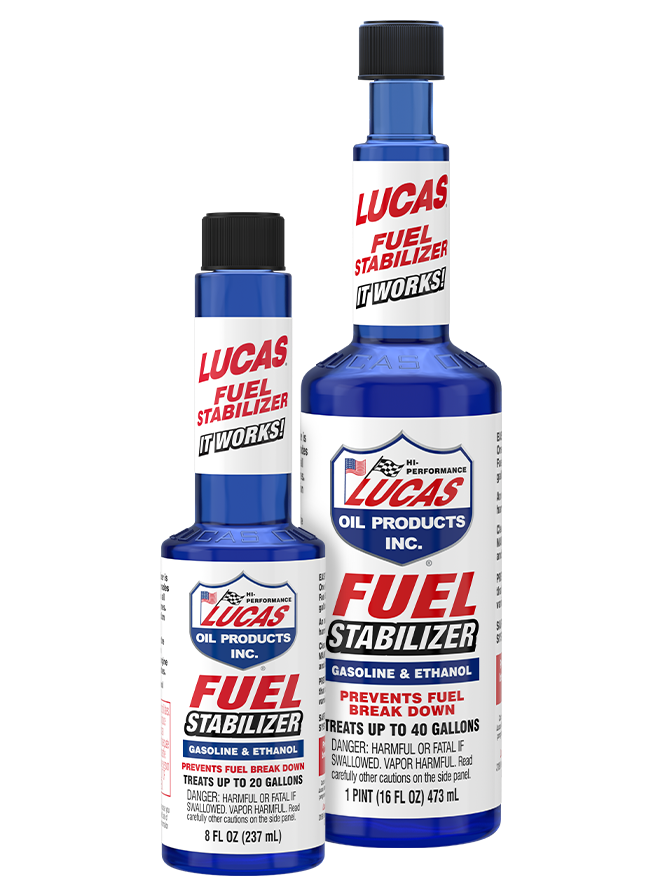
- Fuel stabilizers: Keep fuel fresh during storage.
- Anti-gel agents: Stop diesel fuel from thickening in winter.
- Water removers: Help get rid of water in the gas tank.
When To Use Fuel Additives
If your car feels rough, has lower gas mileage, or is hard to start, a fuel additive might help. People who don’t drive much, or keep their car stored for months, often use stabilizers. Diesel drivers in cold places use anti-gel.
If you fill up with low-quality gas, an injector cleaner can make a difference.
Many new cars today don’t need additives as much as older cars. Check your owner’s manual before using anything.
What Are Oil Additives?
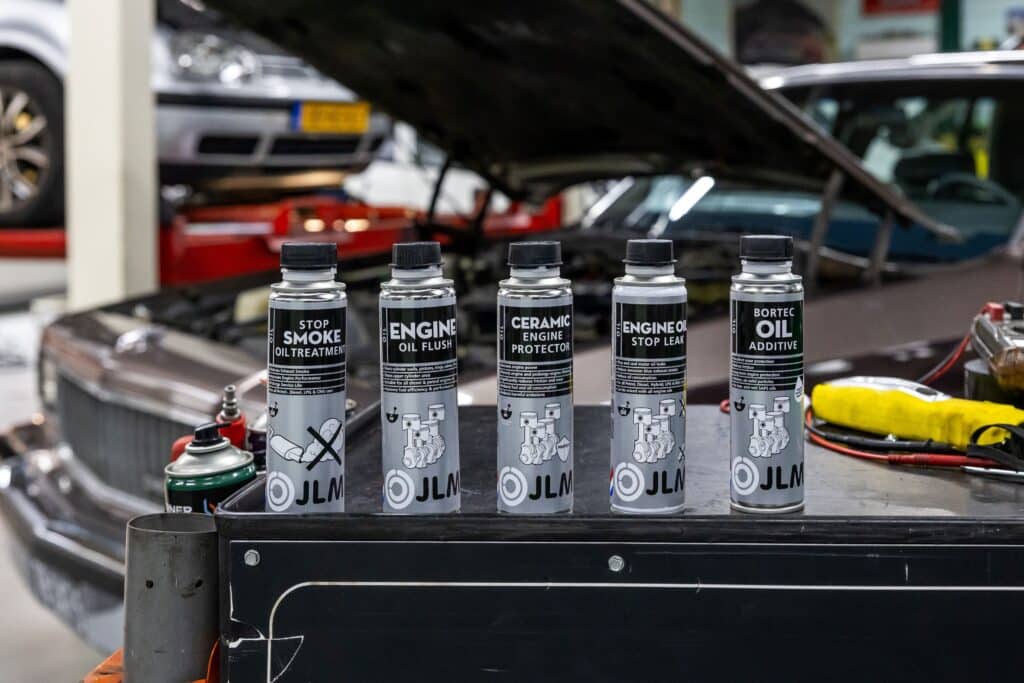
Oil additives are chemicals you pour into your engine oil. They help the oil do its main jobs: lubricate, cool, and protect the engine.
Over time, engine oil breaks down. It can’t protect the engine as well. Oil additives keep the oil stronger, stop sludge, and reduce engine wear.
How Oil Additives Work
Oil additives mix with the oil and flow through the engine. They stick to metal parts, help clean away dirt, and reduce friction. Some additives make the oil thicker or thinner, depending on the temperature. Others add a layer of protection to moving parts.
Common Types Of Oil Additives
- Detergents: Clean engine parts and stop sludge.
- Anti-wear agents: Protect metal surfaces from rubbing and damage.
- Viscosity modifiers: Help oil stay the right thickness in hot or cold weather.
- Friction modifiers: Lower friction for better fuel efficiency.
- Corrosion inhibitors: Stop rust and corrosion inside the engine.
- Pour point depressants: Help oil flow in cold weather.
When To Use Oil Additives
Oil additives are often used in older engines or cars that work in tough conditions. If your engine is noisy, smokes, or has high mileage, oil additives can help. Some people use them every oil change to keep engines clean and running smoothly.
Many new cars already have advanced oils with additives mixed in. Adding more can sometimes do more harm than good, so always check your car’s manual.
Head-to-head Comparison: Fuel Additive Vs Oil Additive
To make the differences clear, here’s a side-by-side look at how fuel additives and oil additives compare:
| Aspect | Fuel Additive | Oil Additive |
|---|---|---|
| Main Function | Cleans and improves fuel system | Protects and enhances engine oil |
| Where Used | Gas tank (fuel system) | Engine oil reservoir (engine) |
| Common Benefits | Better mileage, smoother running, cleaner injectors | Less engine wear, cleaner engine, longer oil life |
| When to Use | Poor performance, rough idle, storage, cold weather | Old engines, high mileage, noisy engines |
| Risks | Overuse can harm fuel system | Wrong additive can harm engine |
Why Do People Use Fuel Additives?
People use fuel additives for different reasons. For some, it’s about solving a problem (like rough running or poor gas mileage). For others, it’s about protecting their car over time.
Top Benefits Of Fuel Additives
- Cleaner fuel system: Additives can remove deposits from injectors, pumps, and valves.
- Better engine performance: A clean system burns fuel more completely, which can mean more power.
- Improved fuel economy: Less dirt means smoother running and possibly better mileage.
- Protection from rust and water: Some additives prevent water buildup, which can lead to rust or freezing.
- Stabilize fuel during storage: Fuel stabilizers keep gas fresh if your car sits for months.
Best Additive To Stop Engine From Burning Oil: Top 5 Additives for Engines Burning Oil
Real-world Example
A 2013 Ford Focus with 100,000 miles started running rough and used more gas. After using a good injector cleaner, the engine smoothed out and gas mileage improved by 2 miles per gallon. This isn’t magic—just cleaning out years of buildup.
Non-obvious Insight 1
Not all fuel additives are safe for every car. Some high-performance additives can damage rubber seals or oxygen sensors if used too often. Always check if the additive is “compatible with all engines” or “safe for sensors. ”
Why Do People Use Oil Additives?
Engine oil is the lifeblood of your car, but it can lose power over time. Oil additives bring extra protection, especially for older cars or those under stress.
Top Benefits Of Oil Additives
- Reduce engine wear: Additives protect metal parts from rubbing and breaking down.
- Keep engines clean: Detergents in additives stop sludge and varnish.
- Quiet noisy engines: Some additives fill tiny scratches, making engines run smoother and quieter.
- Help in extreme temperatures: Viscosity modifiers help oil flow in winter and stay thick enough in summer.
- Longer oil life: Additives can slow down oil breakdown, so you change oil less often.
Best Engine Oil Stop Leak Additive: Tested 6 Leak Additives That Actually Work
Real-world Example
A high-mileage Toyota Camry (over 200,000 miles) started using oil and making ticking noises. After adding an anti-wear oil additive, oil burning stopped and the engine ran quieter.
Non-obvious Insight 2
Mixing too many oil additives can actually reduce performance. Modern oils already contain a precise mix of additives. Adding more can upset this balance, causing more sludge or even blocking oil passages.
Risks And Limitations
Both fuel and oil additives have limits. They can help, but they’re not magic fixes.
Fuel Additive Risks
- Overuse: Adding too much can damage injectors or sensors.
- Wrong type: Diesel and gasoline additives are not the same. Using the wrong one can cause major problems.
- Masking bigger issues: Additives can hide symptoms (like rough running), but if there’s a mechanical problem, they won’t fix it.
Oil Additive Risks
- Compatibility: Some older engines are sensitive to certain chemicals.
- Warranty issues: Some car makers void warranties if you use aftermarket additives.
- Too much is bad: More additive doesn’t mean better protection. It can cause sludge or blockages.
If in doubt, always check your car’s manual or ask a trusted mechanic.
How To Choose The Right Additive
The best additive for you depends on your car, your driving habits, and what problem you want to solve.
For Fuel Additives
- Know your engine: Gasoline and diesel need different additives.
- Check for specific issues: Use injector cleaner for rough running, stabilizer for storage, anti-gel for cold weather.
- Don’t overuse: Most additives should be used every few thousand miles, not every fill-up.
For Oil Additives
- High mileage engines: Look for anti-wear and detergent additives.
- Noisy or rough engines: Try friction modifiers or viscosity boosters.
- Modern cars: Check if your engine oil already contains advanced additives. If yes, adding more is usually not needed.
Table: Best Situations To Use Each Additive
| Situation | Fuel Additive | Oil Additive |
|---|---|---|
| Storing car for months | Fuel stabilizer | Not needed |
| Rough idle or poor mileage | Injector cleaner | Not needed |
| High-mileage engine | Maybe (if fuel system is dirty) | Anti-wear additive |
| Cold weather starting | Anti-gel (diesel) | Viscosity modifier |
| Noisy engine | Not needed | Friction modifier |
Do You Really Need Additives?
This is a common question. The answer depends on your car and how you drive.
- If you use high-quality fuel and oil, and change them on time, you might never need additives.
- Older cars, cars used in extreme weather, or those with performance issues can often benefit.
- For new cars, using the wrong additive can cause more harm than good.
Many car makers say, “Just use the recommended oil and fuel. ” Additives are not a replacement for good maintenance.
Common Myths About Additives
There’s a lot of marketing around additives, but not all claims are true.
Myth 1: “additives Fix Any Engine Problem.”
Fact: Additives can clean or protect, but they can’t fix broken parts or serious mechanical issues.
Myth 2: “more Additive Is Better.”
Fact: Using too much can cause damage, especially with oil additives.
Myth 3: “all Additives Are The Same.”
Fact: Additives are made for specific engines and problems. Using the wrong one can make things worse.
Myth 4: “additives Are Only For Old Cars.”
Fact: Some additives (like stabilizers) are helpful for any car, new or old, if the situation calls for it.
Environmental Impact
This is a part many people miss. Some additives can help reduce emissions by making engines burn fuel more completely. For example, injector cleaners can lower hydrocarbon emissions. But, if misused, additives can sometimes add harmful chemicals to the environment.
Tip: Only use additives that say “safe for catalytic converters” or “low ash” for modern cars.
Cost Vs. Benefit
Additives range from $5 to $25 per bottle. Good fuel injector cleaners can save you up to 5% on fuel if your system is dirty. Oil additives can help engines last longer, saving on repairs.
But using them all the time isn’t needed. Most experts say use them only when you notice a problem, or as a preventive measure in tough conditions.
How Additives Have Changed With Modern Cars
Older cars (before 2000) often needed additives more because fuels and oils were lower quality. Today, most fuels and oils already have advanced additives mixed in. Engines are built to tighter standards and need less “help” from extra chemicals.
New technology means using the wrong additive can harm sensitive parts like oxygen sensors, turbochargers, or emission systems. Always check if your car is compatible.
Real-world Data On Additive Effectiveness
Studies by the American Automobile Association (AAA) found that top-tier gasoline (with built-in detergents) keeps engines 19 times cleaner than regular gasoline. This means, in many cases, buying good fuel is better than using a cheap additive.
The US Department of Energy shows that oil additives can reduce engine wear by 10–15% in high-mileage engines. But for new engines, the benefit is smaller.
Key Takeaways
- Fuel additives work in the fuel system; oil additives work in the engine.
- Only use additives if you know what problem you want to solve.
- Check your owner’s manual before adding anything.
- More is not always better; the right amount matters.
- Good maintenance is more important than any additive.
For more technical details, you can check the Wikipedia page on fuel additives.
Frequently Asked Questions
What Is The Main Difference Between Fuel Additives And Oil Additives?
Fuel additives are added to your gas or diesel to clean and improve the fuel system. Oil additives go into your engine oil to protect engine parts and improve oil quality. They work in different parts of the car and solve different problems.
Can I Use Both Fuel And Oil Additives At The Same Time?
Yes, you can use both, but only if you really need them. For example, you might use a fuel injector cleaner if your car runs rough and an oil additive if your engine is noisy. However, do not use additives more often than recommended.
Are Additives Safe For All Cars?
Not all additives are safe for every car. Some older cars or high-performance engines need special care. Always check the label and your owner’s manual before using any additive.
Do Additives Really Improve Engine Life And Performance?
Additives can help if your engine has a problem or is very old. They can clean, protect, and reduce wear. However, if your car is new and well-maintained, you may not see much benefit.
How Often Should I Use Fuel Or Oil Additives?
Most fuel additives should be used every few thousand miles, not every tank. Oil additives are usually added at each oil change or only when needed. Overusing additives can cause problems, so follow the instructions carefully.
Taking care of your car is about balance. Use additives only when needed, and always follow expert advice. Your engine—and your wallet—will thank you.