
Keep wires off hot parts, add heat shields, use quality boots, and ensure correct routing.
If you’ve cooked a set of plug wires, you know the smell, the misfire, and the wasted money. In this guide, I’ll show you how to keep spark plug wires from melting with proven shop methods, simple routing tricks, and heat management upgrades that last. You’ll get clear steps, practical examples, and pro tips so you can drive harder, wrench smarter, and stop melting money under the hood.
What actually melts spark plug wires
Heat kills insulation. The worst offenders are long-tube headers, turbo hot sides, and leaky exhaust ports. Radiant heat cooks the boots. Conduction from contact points finishes the job.
You also see failures from poor routing and cheap materials. Low-quality silicone hardens and cracks. Old looms let wires sag onto headers. Add a lean tune or bad timing, and under-hood temps spike.
To fix this right, you must control heat, increase clearance, and upgrade materials. That is the core of how to keep spark plug wires from melting on any build.
How to keep spark plug wires from melting: a quick checklist
Use this short list before your next drive or track day:
- Keep a minimum of 1–2 inches of clearance from headers and manifolds.
- Use high-temp plug boots or sleeves rated 1,200°F or higher.
- Add wire separators and standoffs to lock routing in place.
- Heat-shield nearby pipes and the starter; fix any exhaust leaks.
- Verify timing, fuel trims, and knock control to reduce EGTs.
- Use quality 8 mm or 8.5 mm wires from a trusted brand.
I use this list on customer cars and my own track toy. It is the fastest way to master how to keep spark plug wires from melting without guesswork.
Step-by-step routing that prevents meltdown
Great routing beats brute-force heat wrapping. Follow these steps:
- Map the path cold. Plan each wire path with the engine cool. Aim for short, neat runs that cross heat zones at right angles.
- Set the coil end first. Clip wires to coils or the distributor. Leave light slack for engine movement.
- Keep clearance. Ensure 1–2 inches of air gap from headers. If you cannot, add sleeves or a small reflective shield.
- Lock it down. Use heat-rated separators and standoffs. Position them so wires cannot sag.
- Avoid touch points. Do not let wires rest on valve covers, brackets, or sharp edges.
- Check steering sweep. Cycle the wheel lock-to-lock. Verify nothing rubs or stretches.
- Heat-cycle and recheck. After the first drive, re-tension separators and inspect boots.
This is the heart of how to keep spark plug wires from melting on tight engine bays, from small-block Chevys to turbo LS swaps.
Top 7 Best Spark Plugs: Expert Tested &Reviewed
Heat management upgrades that work
Here are parts that make a big difference:
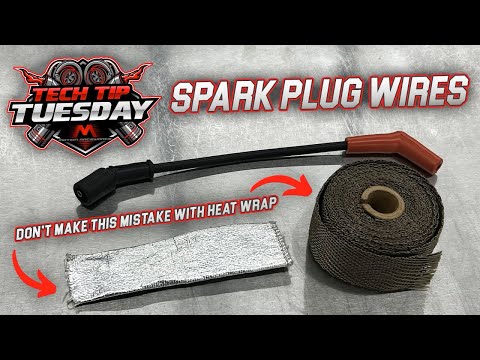
- High-temp plug boots and sleeves. Fiberglass, basalt, or ceramic sleeves rated to 1,200–2,000°F stop radiant heat at the source.
- Reflective barriers. Small aluminum or stainless shields reflect header heat from boots near primary tubes.
- Header blankets and turbo shields. They reduce radiant heat but can trap moisture; monitor hardware for corrosion.
- Factory heat shields. Many OEM shields around plugs and manifolds are there for a reason. Keep or restore them.
Use quality parts and verify ratings. That is a reliable path for how to keep spark plug wires from melting in real driving.
Smarter material choices for wires and boots
Not all plug wires are equal. Here’s what to look for:
- Silicone jacket with thick insulation. 8–8.5 mm with a strong fiberglass braid handles heat and vibration.
- Spiral-wound suppression core. It limits RFI without high resistance. You want clean spark and clean sensors.
- Ceramic or high-temp boots. Ceramic ends near the plug live far longer by hot headers.
If you run coil-on-plug, you still need heat sleeves on the short leads or boots. Material choice is a key tactic in how to keep spark plug wires from melting for modern engines too.
Tuning and engine health that lower under-hood temps
Melting wires can be a symptom. Fix the cause:
- Timing and fuel. Retarded timing and lean mixtures spike EGT. Verify base timing and fuel trims.
- Exhaust leaks. A leak at the head blasts hot gas on wires. Repair gaskets and retorque hardware.
- Cooling system. Hot coolant raises bay temps. Flush, bleed, and confirm fan control.
- Catalysts and backpressure. A failing cat raises upstream heat. Check backpressure if power feels choked.
A calm, well-tuned engine is central to how to keep spark plug wires from melting over the long term.
Common installation mistakes to avoid
These small errors lead to big heat damage:
- Crossing or bunching wires. Keep them separated so heat does not build.
- Long wire loops. Excess length lets wires droop onto hot parts.
- Weak separators. Generic plastic melts. Use heat-rated pieces.
- Forcing tight boots. Twisting the conductor can break the core. Use dielectric grease for easy install and removal.
Avoid these traps and you are already halfway to how to keep spark plug wires from melting.
5 Best Spark Plugs For 5.7 Hemi: Real World Tested
How to spot damage and test wires
Look for early clues so you can act fast:
- Visual signs. Glossy spots, white ash, cracked silicone, or burned marks near boots.
- Misfire under load. Melting often shows up as a stumble when hot.
- Resistance check. Use a multimeter. Compare ohms per foot across wires; a big outlier points to damage.
- Night test. In the dark, you might see arcing to metal parts. That is a sure sign to replace or shield.
Catching issues early is a practical part of how to keep spark plug wires from melting and misfires away.
Maintenance cadence and track-day prep
Heat damage is cumulative. Keep a simple schedule:
- Street cars. Inspect at every oil change. Refresh sleeves yearly if near headers.
- Track cars. Inspect after each event. Replace suspect boots before the next session.
- After rain or washes. Dry boots and sleeves. Moisture plus heat can crack insulation.
This routine pays off and supports how to keep spark plug wires from melting when you drive hard.
Real-world examples from the bay
I once fought with a small-block Chevy on long tubes that ate two wire sets. The fix was simple: re-route with 1.5 inches of clearance, add 1,200°F sleeves, and bolt a small reflective shield near cylinder 7. The misfire was gone, and the wires still look new after a summer of heat.
On a turbo LS, the hot side sat inches from cylinder 5. Ceramic boots plus a turbo blanket dropped surface temps enough to stop baking the wire. The owner also fixed a tiny header leak. That sealed the deal. This is exactly how to keep spark plug wires from melting when space is tight.
Budget vs premium: what’s worth it
You do not have to spend big to win:
- Best low-cost wins. Proper routing, sturdy separators, and 1,200°F sleeves.
- Worth the money. Ceramic boots near long-tube headers or turbos.
- Nice-to-have. Custom heat shields if one cylinder sits in a hot pocket.
- Caution. Full header wraps can trap moisture. Inspect often if you use them.
Balance cost with risk. That is a smart way to plan how to keep spark plug wires from melting without overspending.
Frequently Asked Questions of how to keep spark plug wires from melting
Can header wrap stop plug wires from melting?
Header wrap can lower radiant heat, but it can trap moisture and speed up corrosion. Use it with sleeves and good routing for best results.
How much space should I keep between wires and headers?
Aim for at least 1–2 inches of air gap. If you cannot get that much, add high-temp sleeves and a small reflective shield.
Are ceramic plug boots worth it?
Yes, ceramic boots handle very high heat and last longer near headers and turbos. They cost more but often save a full wire set.
Will a lean tune melt plug wires?
A lean tune raises exhaust temps and can cook nearby parts. Fix fueling and timing first, then address heat shielding.
Can I use zip ties as separators?
Standard zip ties can melt or cut into the jacket. Use heat-rated separators or stainless clamps with silicone sleeves instead.
Conclusion
Protecting wires from heat is simple when you follow a plan: route with clearance, lock the path, upgrade boots, and fix the heat at its source. Do that, and you solve how to keep spark plug wires from melting for good.
Start today. Inspect your routing, add sleeves where needed, and schedule a quick tune check. Want more hands-on guides? Subscribe, share your setup in the comments, and let’s keep your spark where it belongs.