
Here’s which Hondas have GDI engines: Accord (2013+), Civic 1.5T/Type R, CR-V 2.4/1.5T, and 3.5L V6 models.
If you want clear, accurate guidance on which Hondas have GDI engines, you’re in the right place. I’ve worked on these cars, tracked Honda engine codes, and seen the real-world pros and cons of direct injection. This guide explains what GDI means at Honda, lists every US/Canada model and year that uses it, and shares practical tips from the shop floor.
What GDI means on a Honda
Gasoline Direct Injection, often called GDI, sprays fuel straight into the combustion chamber. Honda markets it simply as direct injection, usually tied to its Earth Dreams Technology engines. Many Hondas use it from 2013 onward, but not every trim does.
Direct injection boosts power and fuel economy with precise fuel control. The trade-off is that intake valves do not get washed by fuel, so they can collect deposits over time. Honda manages this with software, PCV design, and oil specs, but smart maintenance helps a lot.
Complete list: which Hondas have GDI engines by model and year
If you are asking which Hondas have GDI engines, here is the full North American breakdown. Trims and availability can vary by year, so always verify by VIN, engine code, or the owner’s manual.
Accord
• 2013–2017 2.4L K24W direct injection
• 2013–2017 3.5L J35Y V6 direct injection
• 2018–2022 1.5L turbo L15B7 direct injection
• 2018–2020 2.0L turbo K20C4 direct injection
• 2023–present 1.5L turbo direct injection (hybrids use a 2.0L port-injected engine)
Civic
• 2016–present 1.5L turbo L15B7/L15BA direct injection (EX and higher in many years)
• 2017–present Civic Type R 2.0L turbo K20C1 direct injection
• 2017–2020 Civic Si 1.5L turbo direct injection
• Note: 2016–present base 2.0L non-turbo is port injection, not GDI
CR-V
• 2015–2016 2.4L K24W direct injection
• 2017–present 1.5L turbo L15B7 direct injection
• Note: CR-V Hybrid uses a 2.0L port-injected engine
Fit
• 2015–2020 1.5L L15B direct injection (US/Canada)
Pilot
• 2016–present 3.5L J35Y V6 direct injection
Odyssey
• 2018–present 3.5L J35Y V6 direct injection
Ridgeline
• 2017–present 3.5L J35Y V6 direct injection
Passport
• 2019–present 3.5L J35Y V6 direct injection
HR-V
• 2016–2022 1.8L port injection (no GDI in US/Canada)
• 2023–present 2.0L port injection (no GDI in US/Canada)
Insight and most Honda hybrids
• Port injection (not GDI)
If your question is which Hondas have GDI engines, focus on 2013+ Earth Dreams four-cylinders, all 1.5T models, Type R and Si, and all current 3.5L V6 trucks and vans.
Best Additive To Stop Engine From Burning Oil: Top 5 Additives for Engines Burning Oil
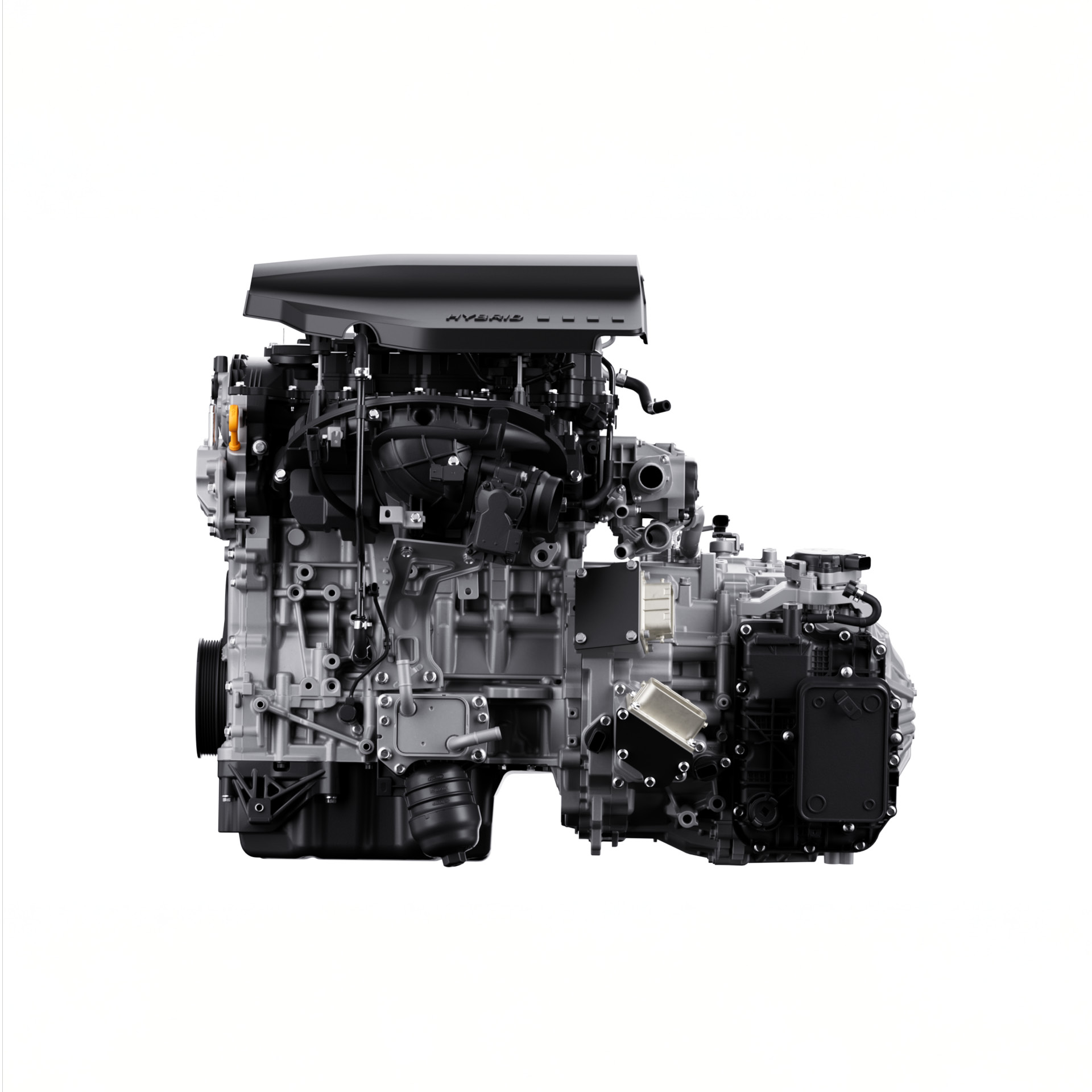
Honda GDI engine families you’ll see
Knowing the engine code helps confirm which Hondas have GDI engines.
• L15B7/L15BA 1.5L turbo
Power-dense, very common in Civic, CR-V, and Accord. GDI with small turbo. Early CR-Vs in cold climates saw fuel dilution; Honda issued software updates and extended coverage in some cases.
• L15B (Fit) 1.5L non-turbo
Direct injection in 2015–2020 Fit with great mpg and a lively top end.
• K24W 2.4L
Direct injection four-cylinder in 2013–2017 Accord and 2015–2016 CR-V. Smooth, reliable, efficient.
• K20C engines
K20C1 (Civic Type R) and K20C4 (Accord 2.0T) use direct injection. Strong performance, track-proven in Type R.
• J35Y 3.5L V6
Direct injection V6 in Pilot, Odyssey, Ridgeline, Passport, and 2013–2017 Accord V6. Broad torque, refined power, cylinder deactivation in many trims.
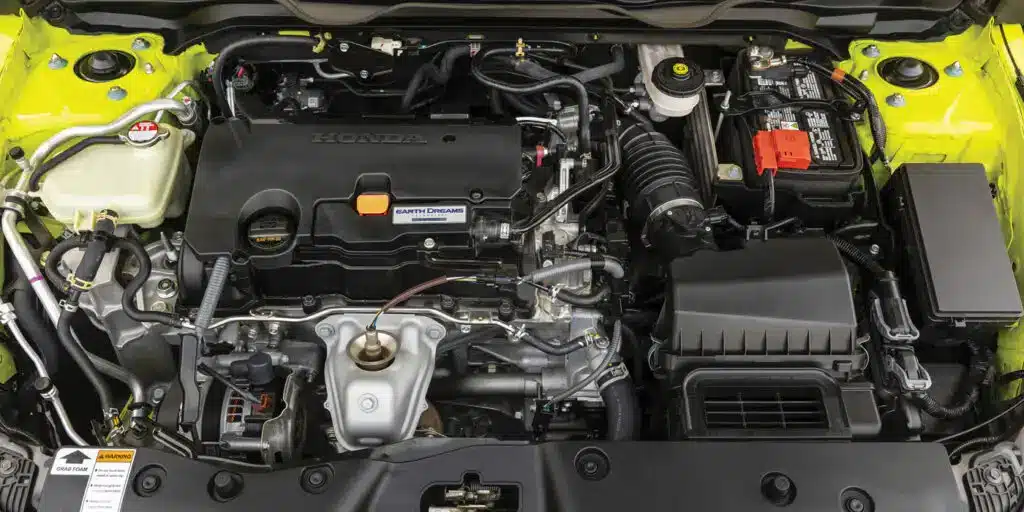
Benefits and trade-offs of Honda GDI
Why so many people ask which Hondas have GDI engines comes down to real gains and a few caveats.
Benefits
• Better mpg and stronger low-end torque, especially on the 1.5T and 2.0T
• Lower cold-start emissions and more precise fuel control
• High compression ratios with knock resistance when tuned right
Trade-offs
• Intake valve deposits can build over time since fuel no longer washes valves
• Small-turbo GDI engines can face fuel dilution risk in short, cold trips
• More complex high-pressure fuel system that needs clean fuel and proper maintenance
In my shop experience, Honda’s DI systems hold up well with timely oil changes, quality fuel, and periodic cleaning. The worst cases I’ve fixed were city-driven 1.5Ts that went far past oil-change intervals.
Do Engine Oil Stop Leak Additives Work? My Personal Experience
Ownership tips to keep a Honda GDI happy
These steps have helped my customers avoid headaches and protect value. They also answer the worry behind which Hondas have GDI engines and how to care for them.
• Change oil early and often
Use the correct 0W-20 full synthetic and do not stretch intervals, especially on 1.5T engines that see short trips.
• Use Top Tier gasoline
Better detergents help keep injectors and combustion chambers clean. Stick with the octane your manual calls for.
• Warm it up by driving, not idling
Gentle driving for the first few minutes heats oil faster and reduces fuel dilution risk.
• Take a longer highway run weekly
A 20–30 minute cruise helps evaporate fuel in the oil and keeps the exhaust aftertreatment healthy.
• Consider intake valve cleaning at 60k–100k miles
Walnut blasting or a professional chemical cleaning can restore airflow if you notice rough idle or lost pep.
• Stay current on software updates and TSBs
Ask the dealer to check for calibration updates, especially for early 1.5T CR-Vs.
• Check for telltales
Fuel smell on dipstick, rising oil level, or rough cold starts deserve quick attention.
Fast answers to common questions
Does my 2016 Civic have GDI?
If it has the 1.5L turbo, yes, it uses direct injection. If it is the 2.0L non-turbo, it is port injection.
Do Honda hybrids use GDI?
Most recent Honda hybrids use port-injected Atkinson engines. They do not use GDI in North America.
Is carbon build-up a problem on Honda GDI?
It can be over time, but good oil, Top Tier fuel, and periodic cleaning manage it. I rarely see major deposits before 60k–80k miles with proper care.

Frequently Asked Questions of which hondas have gdi engines
Which Hondas have GDI engines in simple terms?
Most 2013 and newer Accords, Civic 1.5T and Type R, CR-V 2.4/1.5T, and all current 3.5L V6 models use GDI. HR-V and many hybrids do not.
How can I confirm which Hondas have GDI engines by VIN?
Check the under-hood emissions label and the engine code on the timing cover or block. Your owner’s manual and a dealer VIN lookup can also confirm direct injection.
Are there years to avoid if I care about GDI issues?
Early 1.5T CR-Vs in very cold climates had fuel dilution concerns. Honda released software updates and service procedures that helped; check service history.
Which Hondas have GDI engines without a turbo?
Accord 2013–2017 2.4L K24W, CR-V 2015–2016 2.4L K24W, Fit 2015–2020 1.5L L15B, and all J35Y 3.5L V6 models use GDI without a turbo.
Do performance Hondas with GDI need premium fuel?
Civic Type R and some 2.0T Accords call for premium for best performance. Always follow the fuel grade listed on the fuel door or in the manual.
Which Hondas have GDI engines outside North America?
Global lineups vary by market. Use your VIN and local service data to confirm, since trims and engines can differ.
Will a catch can help on Honda GDI engines?
A well-installed catch can can reduce oil vapor reaching intake valves. It is optional and should be checked and drained often if you add one.
Conclusion
If you came here wondering which Hondas have GDI engines, you now know the key models, years, and engines to look for. Honda’s direct-injected lineup balances power and mpg well, and with smart upkeep, these engines go the distance.
Ready to take the next step? Check your VIN, confirm your engine code, and set a simple maintenance plan. If this guide helped, share it, subscribe for more hands-on tips, or drop your questions in the comments.